Microsoft Surface 3 review
Will it be third time lucky for Microsoft's Surface?

The Microsoft Surface 3 is comfortably the best of the lower-cost Surface hybrids to date. The sum of improvements made to the hardware, both in the tablet part and the keyboard, and full Windows 8.1’s flexibility make it a very workable portable companion to a more powerful desk-bound laptop or desktop.
-
+
Good screen quality; greatbattery life; strong removable keyboard
-
-
Low CPU and storage performance; limited RAM; Fiddly to use on lap
Another impressive feat of industrial design in the keyboard is the backlight, adjustable using a keyboard shortcut. Few laptops at the price have keyboard backlights, a sign that with the Surface 3, a buyer benefits from higher-end features that have dripped down to entry-level.
Display
The screen is another good example of this. The Surface 3's display is 10.8 inches across and 1,920 x 1,280 pixels in resolution. This is the 3:2 equivalent of 1080p, and gets the tablet very good, if not quite iPad Air-grade, sharpness.

This is easiest' resolution Microsoft could have chosen too. Higher-resolution QHD-or-greater Windows laptops and tablets often suffer from scaling issues, Windows 8.1 doesn't deal with the problem as elegantly as OS X. Every application will have been made with 1080p screens in mind, largely sidestepping the issue.
While the tablet is not designed to accept all that many non-native resolutions at full screen, it will handle 1080p fullscreen apps perfectly well. In this instance, the Surface 3 simply puts small black bars above and below the screen area.
-
 Human rights committee calls for new AI safety law
News The UK needs a new oversight body with teeth, said the Joint Committee on Human Rights, regulating the entire AI supply chain
-
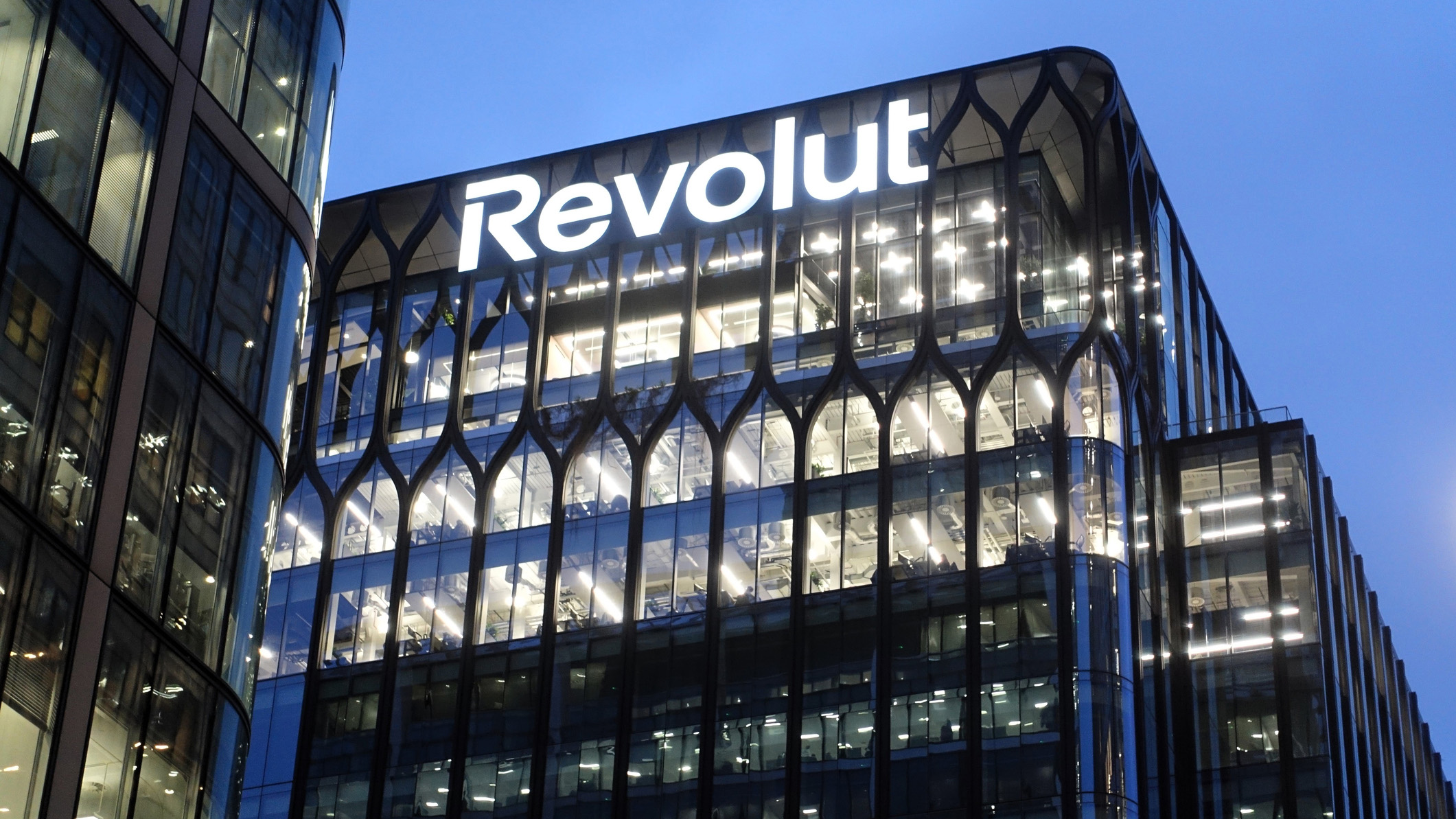 Revolut hands over customer data after fake government request
News The online bank is warning customers that a broad range of sensitive data may have been shared
-
 Atlassian introduces 'always-on' capabilities for agentic development workflows
News Customers can now adopt and scale governed agentic workflows right across the AI software development lifecycle


