Microsoft: Oracle fighting 'natural evolution' of IT
Microsoft thinks Oracle's plans to integrate Sun's software is a bit backwards.
Microsoft has criticised Oracle's plan to integrate its software with Sun's hardware, claiming the move takes us back to the "mini-computer companies of the 1970s".
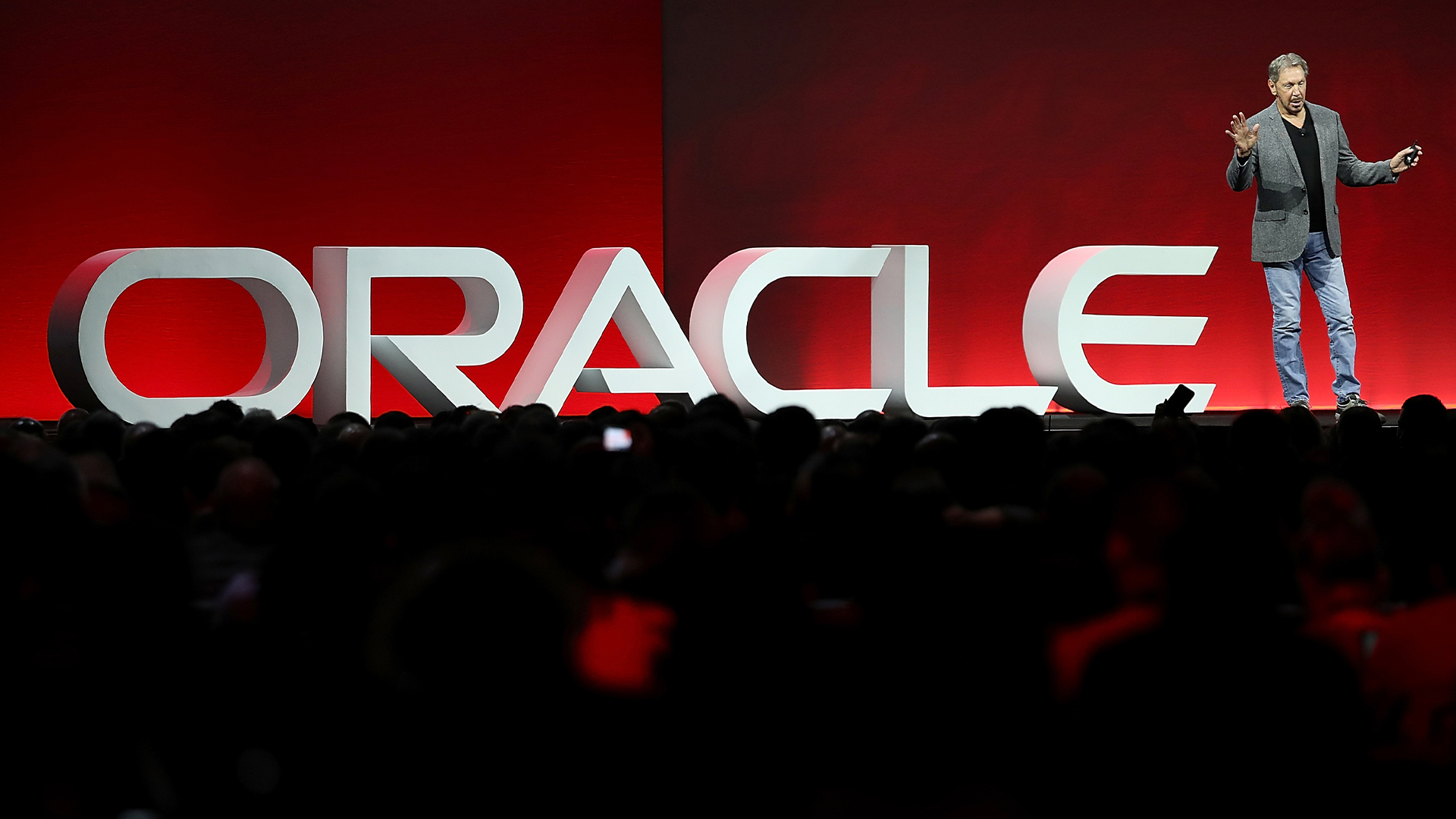
Last month, Larry Ellison, chief executive of Oracle, claimed the purchase of Sun would allow Oracle to create reliable, fast servers based on its software and Sparc's processing power.
"It's the 2010 version of IBM's 1960's strategy," he said. "This strategy made IBM the most important company in the history of the planet... Having all the pieces delivered from one company will give us a huge advantage."
However, the comment has been derided by Microsoft, which has claimed that the move will only promote stagnation. "I sort of look at it, and I admit I shake my head," Bob Muglia, president of Microsoft's servers and tools arm, told the Goldman Sachs Technology and Internet Conference.
"It's the back to the future sort of trend of this highly verticalised company that feels a lot like the mini-computer companies of the 1970s, and sort of the structure that's expected where everything will be purchased from one vendor."
He added: "I don't believe that's what customers will want in a long-term perspective. I think that customers want to have the ability to have choice at different layers of the stack and the horizontal nature of the computing industry that's emerged over the last 20 years."
Muglia also had a pop at the Sparc architecture, claiming that by competing with Intel, Oracle was fighting evolution itself. "I don't see how Sparc can live long-term," he said.
Sign up today and you will receive a free copy of our Future Focus 2026 report - the leading resource for IT decision-maker insight on priorities and investment areas in AI, security and more.
"The economics associated with competing with the Intel ecosystem... are so powerful that the idea that Oracle is going to be able to overcome the natural evolution of the industry and be able to maintain what is unambiguously a dying architecture I don't know what to think about that."
Except, of course, that he is happy for Oracle to throw money away trying. In the meantime, he claimed Oracle's move would only strengthen Microsoft's relationship with partners such as HP.
-
Oracle integrates Google's Gemini AI models into enterprise appsThe deal aims to give broader access to Gemini models that can support AI agents and accelerate development
-

OpenAI has a bold plan to pay for its $1 trillion spending spree: Ads, personal assistants, and cheaper subscriptionsNews OpenAI has lined up more than $1 trillion in spending – and now it's trying to figure out how to pay for it all.
-
Oracle leadership shake-up comes at 'the right moment' as Safra Catz makes way for co-CEOSNews Clay Magouyrk and Mike Silica will take up the joint role at Oracle amidst a sharpened AI focus
-
Oracle layoffs loom despite strong financial resultsNews Hundreds of staff across US and elsewhere say they've been made redundant
-
IBM eyes Oracle expertise gains with latest acquisitionNews The deal aims to help IBM address the complexities of public sector cloud transformation
-
Channel Focus: All you need to know about Oracle's partner programWhat to know about partnering with Oracle: A brief guide to the database management software company as it expands further into cloud solutions
-

Microsoft’s Three Mile Island deal is a big step toward matching data center energy demands, but it's not alone — AWS, Oracle, and now Google are all hot for nuclear powerNews The Three Mile Island deal comes after concerns over Microsoft’s carbon emissions surge
-

‘Many of our long-time rivals are now our partners’: Why Oracle is doubling down on multi-cloudAnalysis The firm is focusing heavily on integration with other major cloud providers to drive multi-cloud adoption for customers