Iomega SSD Flash External Drive 64GB review
An SSD with a USB3 connection. What could possibly go wrong? Quite a lot as our review reveals.
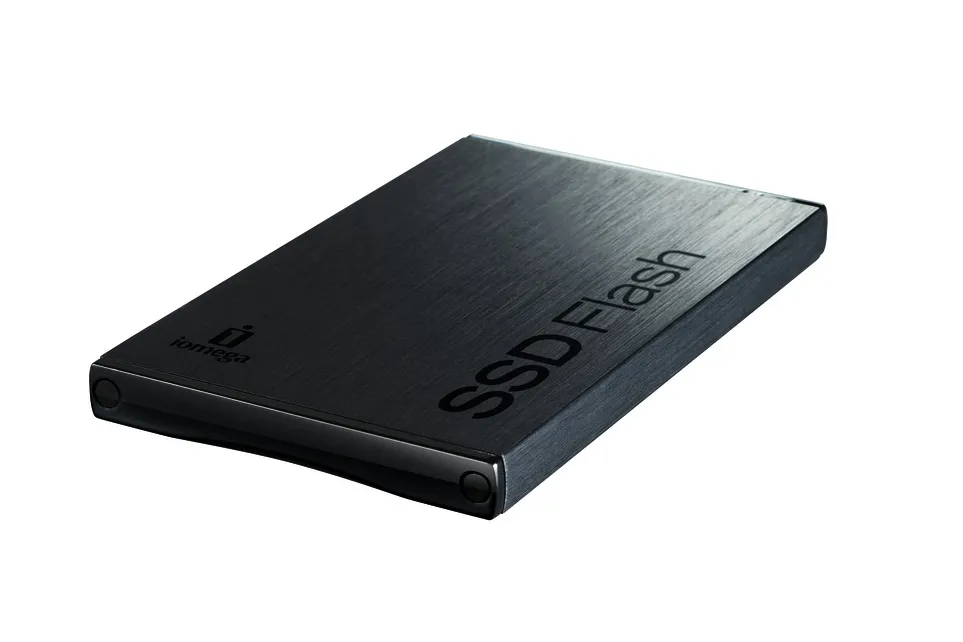
The Iomega SSD Flash 64GB is slim and attractive, thanks to its black brushed metal enclosure. Unfortunately its performance is far slower than what we'd expect from both a USB3-equipped storage device and from a SSD. If you must have a USB3-equipped SSD and can live without the warranty, you're better off buying a USB3 enclosure and a SSD separately and fitting them yourself, but we'd still wait until SSD prices are a little more sensible.
-
 Gartner: here's how AI will remake business in the next three years
News You've got three years to prep for these new attacks and challenges thanks to AI, says Gartner
-
 Two-thirds of cyber threats still require manual resolution
News Security teams are spending most of their time on reactive alert triage and manual data gathering, with little left over for proactive threat hunting
-
 Salesforce wants enterprises to ‘break free of a shared user interface’ with AIforce
News The new approach will allow enterprises to build custom, bespoke interfaces using natural language prompts


