Quanta sues AMD over alleged contract breach
Quanta claims AMD chips were not able to meet desired heat tolerances for NEC notebooks.


-
 5 reasons every AI team needs a deskside agentic AI accelerator like the Dell Pro Max with GB10
Sponsored The Dell Pro Max with GB10 can help enterprises kickstart and scale their agentic AI adoption journey
-
 10 reasons to choose the Dell Pro 5 for your business
Sponsored The Dell Pro 5 laptop is a productivity powerhouse, hitting the sweet spot businesses like yours


-
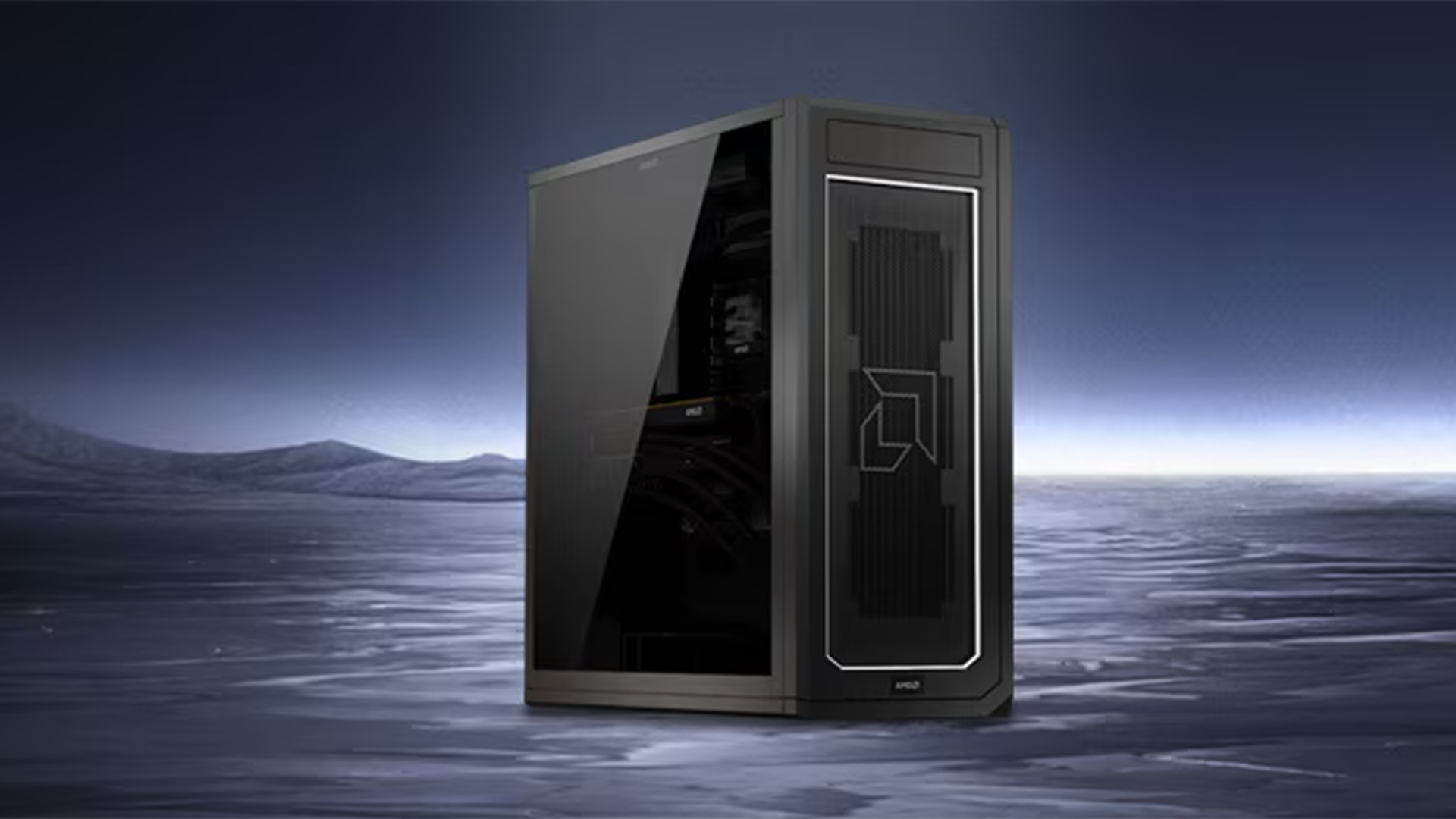 ‘This is about as close as you can get to a personal supercomputer’: AMD has Nvidia in its crosshairs with the Threadripper Halo AI workstation
News The new device boasts 3.4x the total system memory compared to the Nvidia DGX Station, according to AMD
-
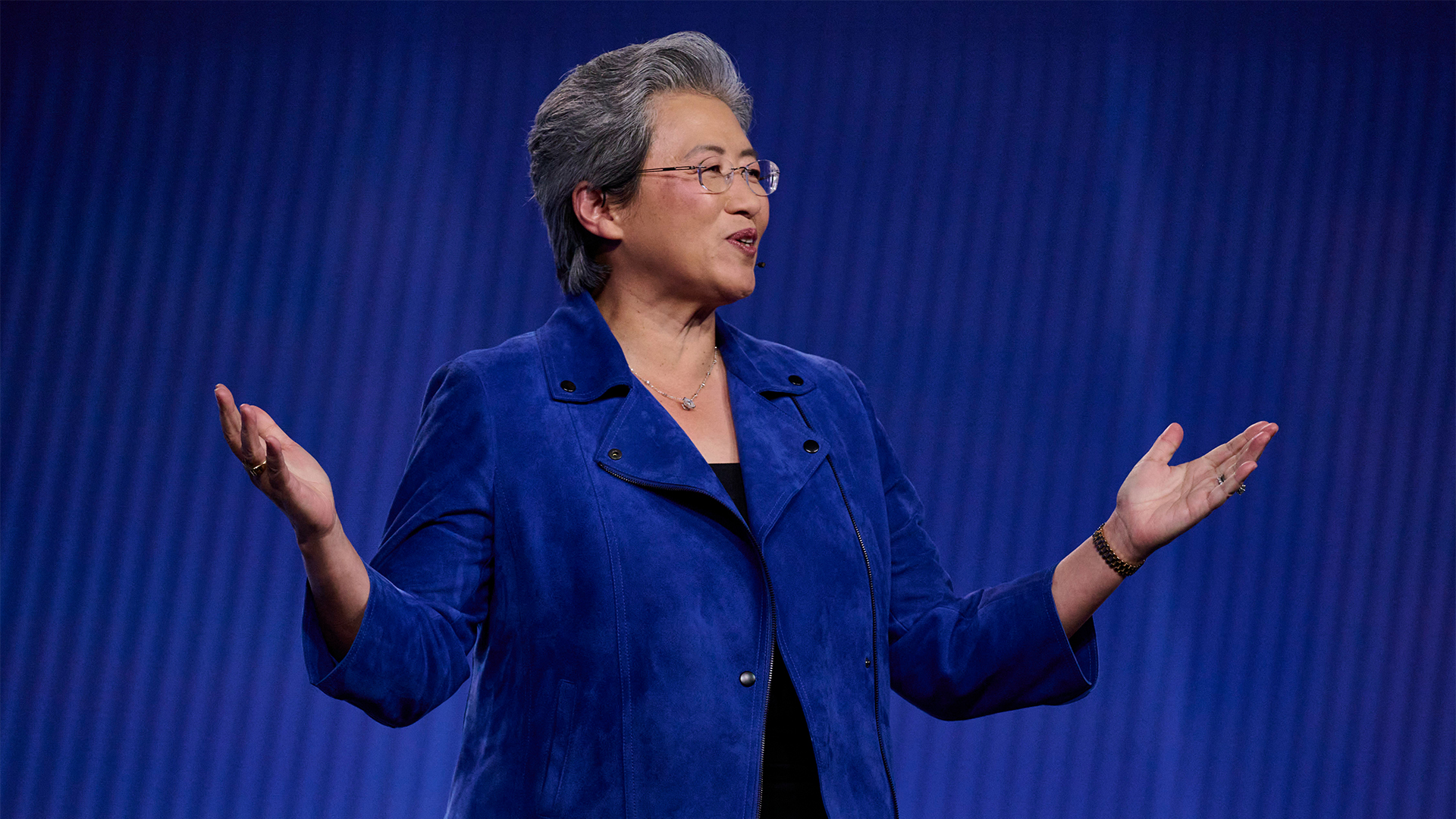 AMD CEO Lisa Su hails ‘excellent quarter’ as data center revenue surges 107%
News The record-breaking quarter comes as AMD prepares to roll out its Helios rack-scale architecture later this year
-
 Is AMD EPYC the right CPU for your AI models?
These top tips will help you decide if AMD EPYC CPUs are the right fit for your AI models
-
 AMD and Samsung forge closer ties on AI memory, potential foundry deal
News The pair are forging closer ties on chip development and future foundry opportunities
-
 AMD thinks ‘AI on the PC has crossed an important line’ – the rise of ‘Agent Computers’ will be the next big breakthrough
News The chipmaker believes “Agent Computers” will be the next big breakthrough with on-device AI capabilities
-
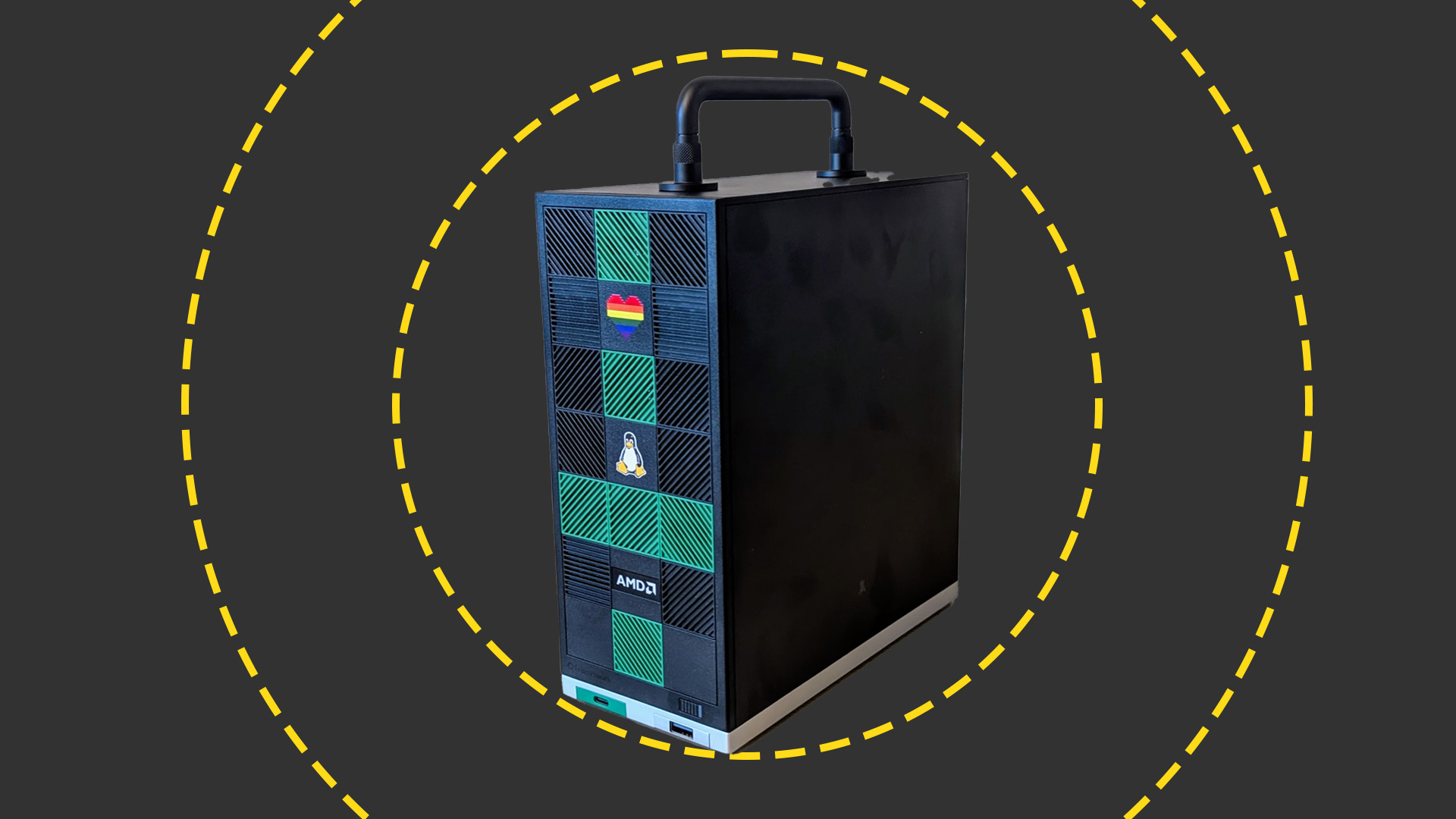 Framework Desktop review: Modular design and ferocious AMD performance
Reviews AMD's Ryzen Max CPUs debut in Framework's impressive modular self-build small-form desktop PC
-
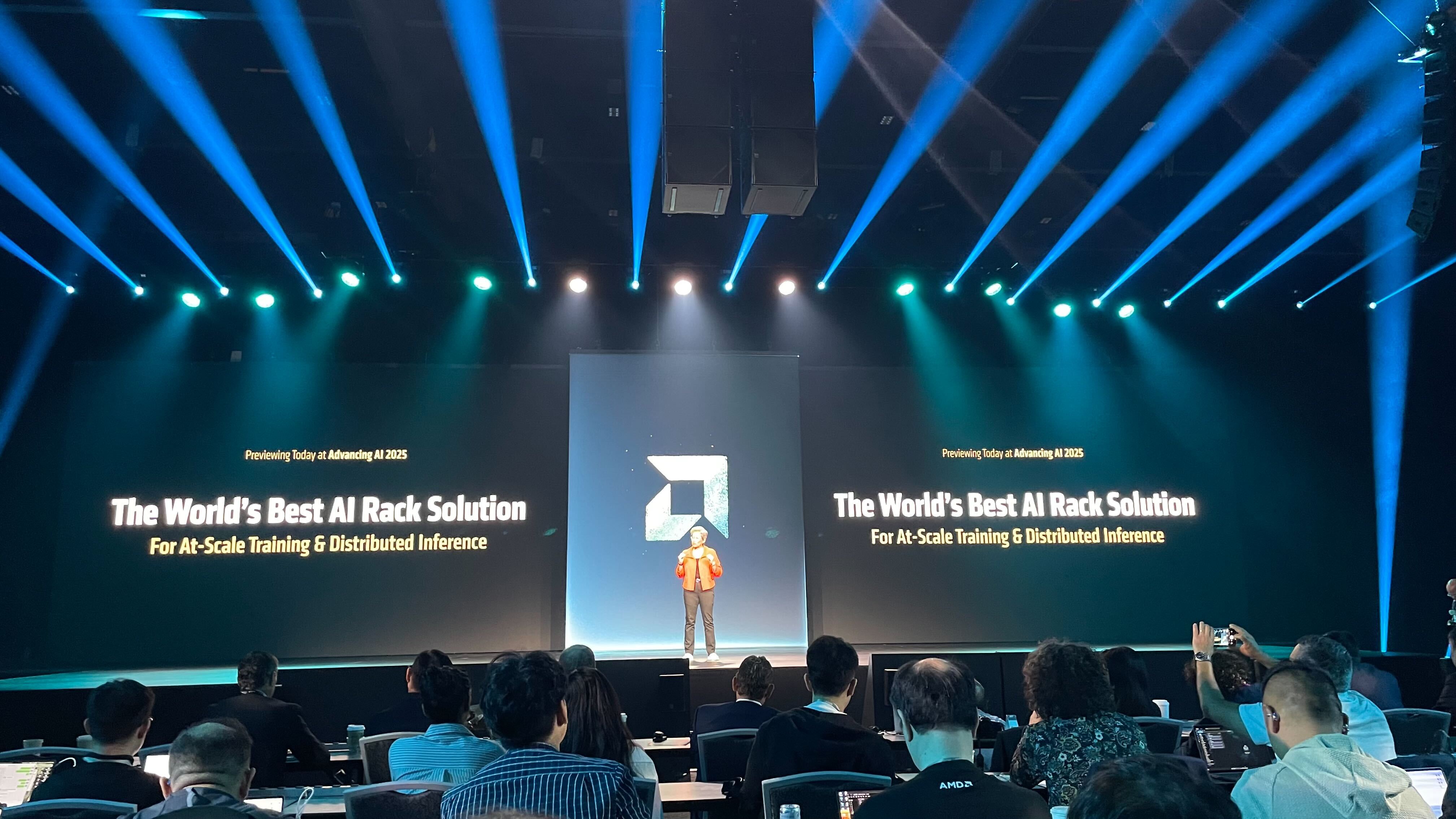 AMD chief exec Lisa Su says its new Helios AI rack is a 'game changer' for enterprises ramping up inference – here's why
News The integrated hardware offering will feature upcoming AMD chips and networking cards
-
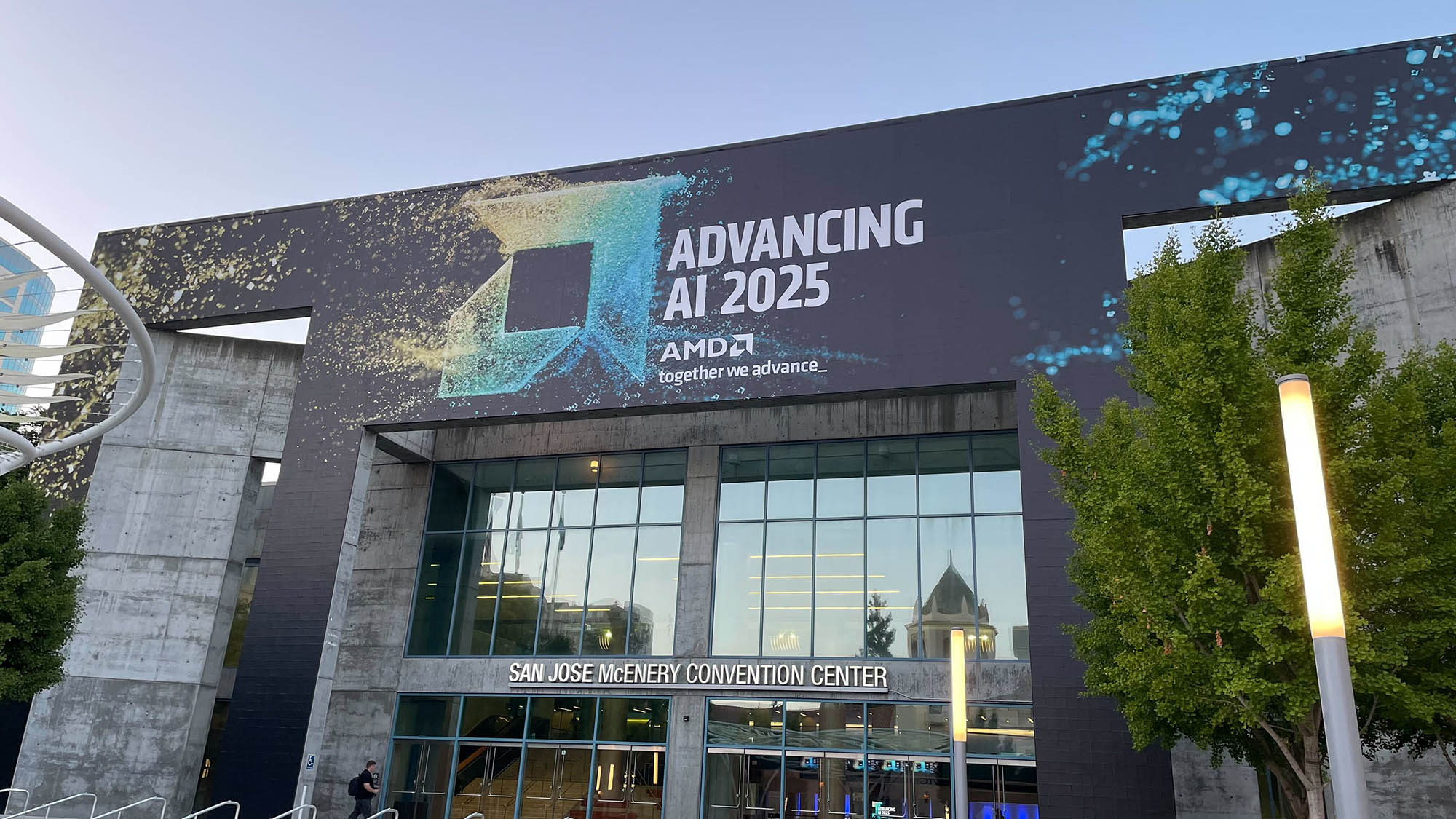 AMD Advancing AI 2025: All the latest news and updates from San Jose
Follow all the news and updates live from AMD's latest Advancing AI conference


