AMD and Samsung forge closer ties on AI memory, potential foundry deal
The pair are forging closer ties on chip development and future foundry opportunities


-
 Firms pledge increased financial support for public package registries
News OpenSSF said that current funding models are inadequate, thanks to rising infrastructure and security costs
-
 Spain says it has seen first AI agent hack
News Spanish data authorities warns organisations to step up their security as AI attacks were no longer a "theoretical risk"


-
 ‘This is about as close as you can get to a personal supercomputer’: AMD has Nvidia in its crosshairs with the Threadripper Halo AI workstation
News The new device boasts 3.4x the total system memory compared to the Nvidia DGX Station, according to AMD
-
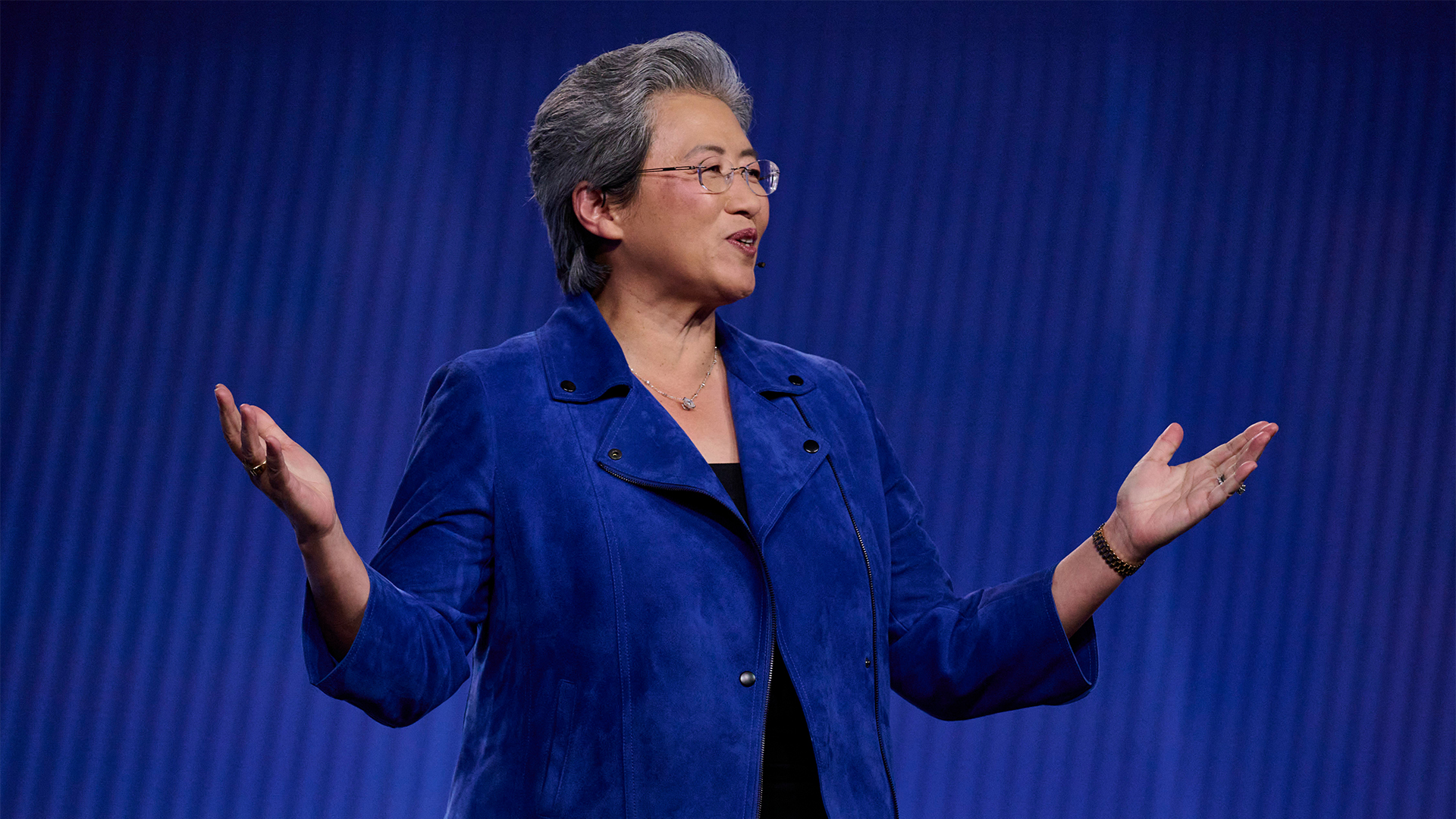 AMD CEO Lisa Su hails ‘excellent quarter’ as data center revenue surges 107%
News The record-breaking quarter comes as AMD prepares to roll out its Helios rack-scale architecture later this year
-
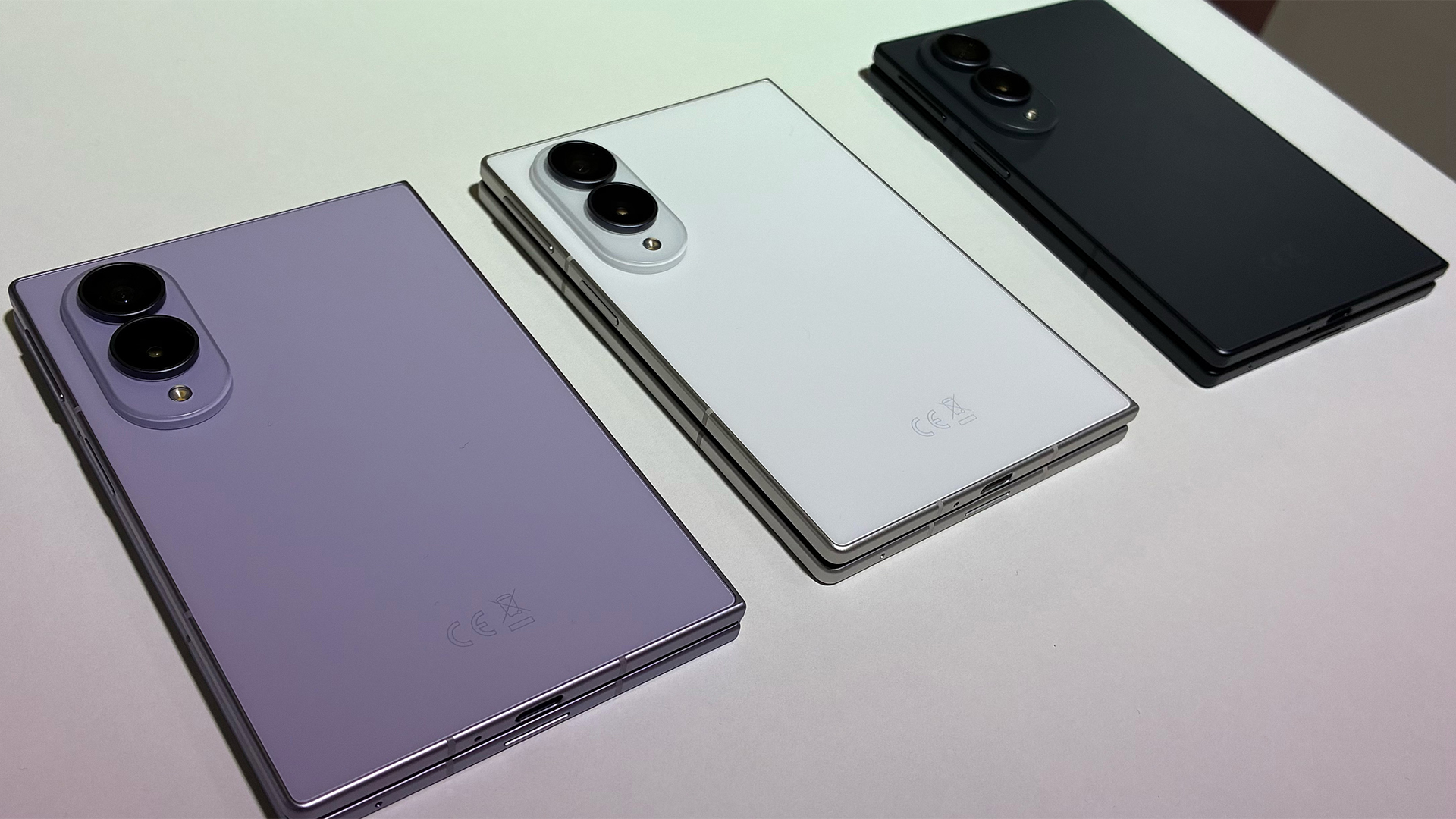 Samsung tests new shapes and materials for a more durable and immersive Galaxy Z Fold 8 line-up
News A new titanium structure reinforces the Samsung Galaxy Z Fold 8 Ultra, while the standard 8 sports a 3:4 ratio for more immersive content consumption
-
 Is AMD EPYC the right CPU for your AI models?
These top tips will help you decide if AMD EPYC CPUs are the right fit for your AI models
-
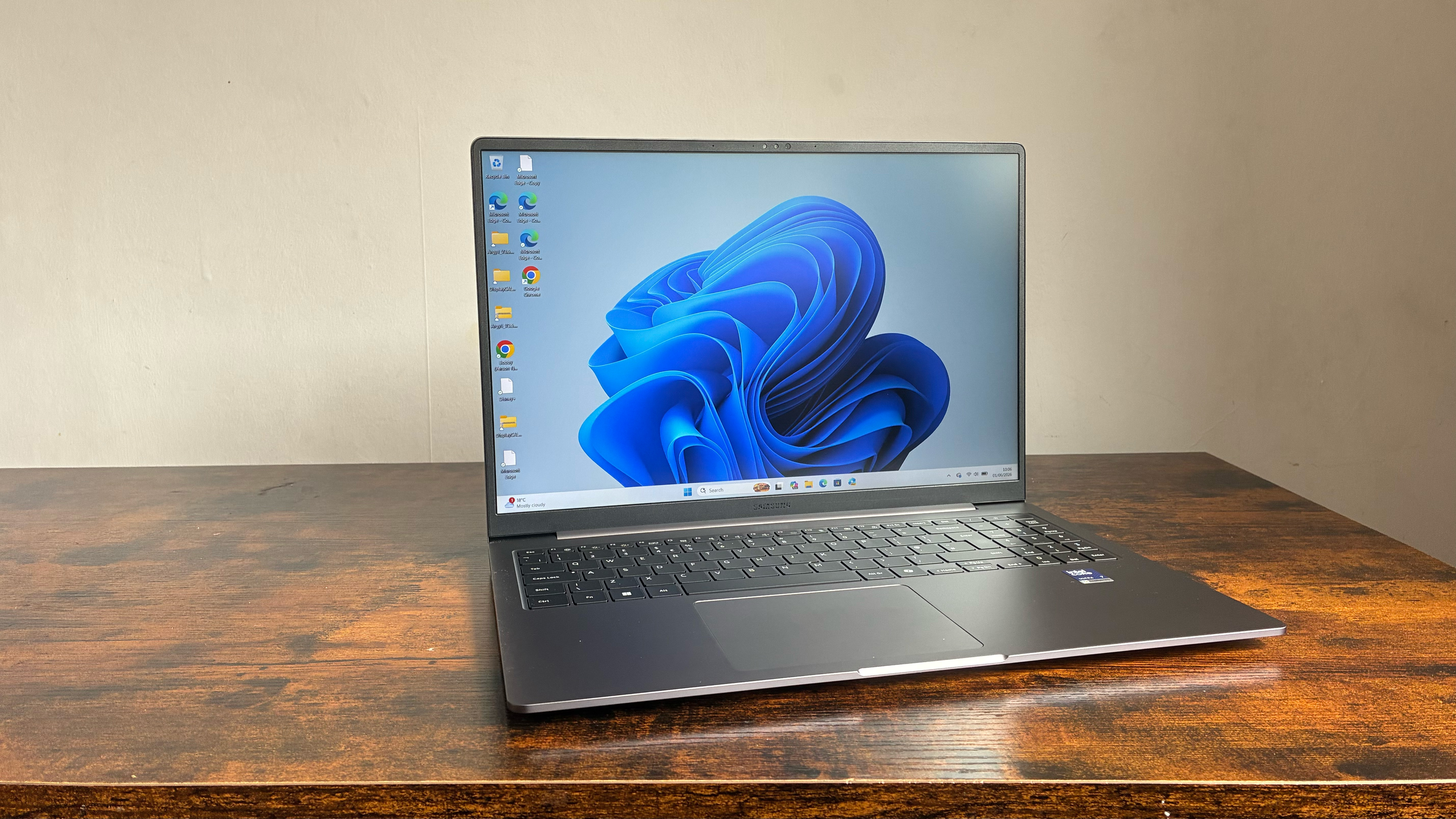 The Samsung Galaxy Book6 Enterprise Edition will make life easier for IT departments – and they'll love the battery life
Reviews A powerful, yet reliable laptop, but the real pull is the Enterprise features that ease deployment and remote management
-
 AMD thinks ‘AI on the PC has crossed an important line’ – the rise of ‘Agent Computers’ will be the next big breakthrough
News The chipmaker believes “Agent Computers” will be the next big breakthrough with on-device AI capabilities
-
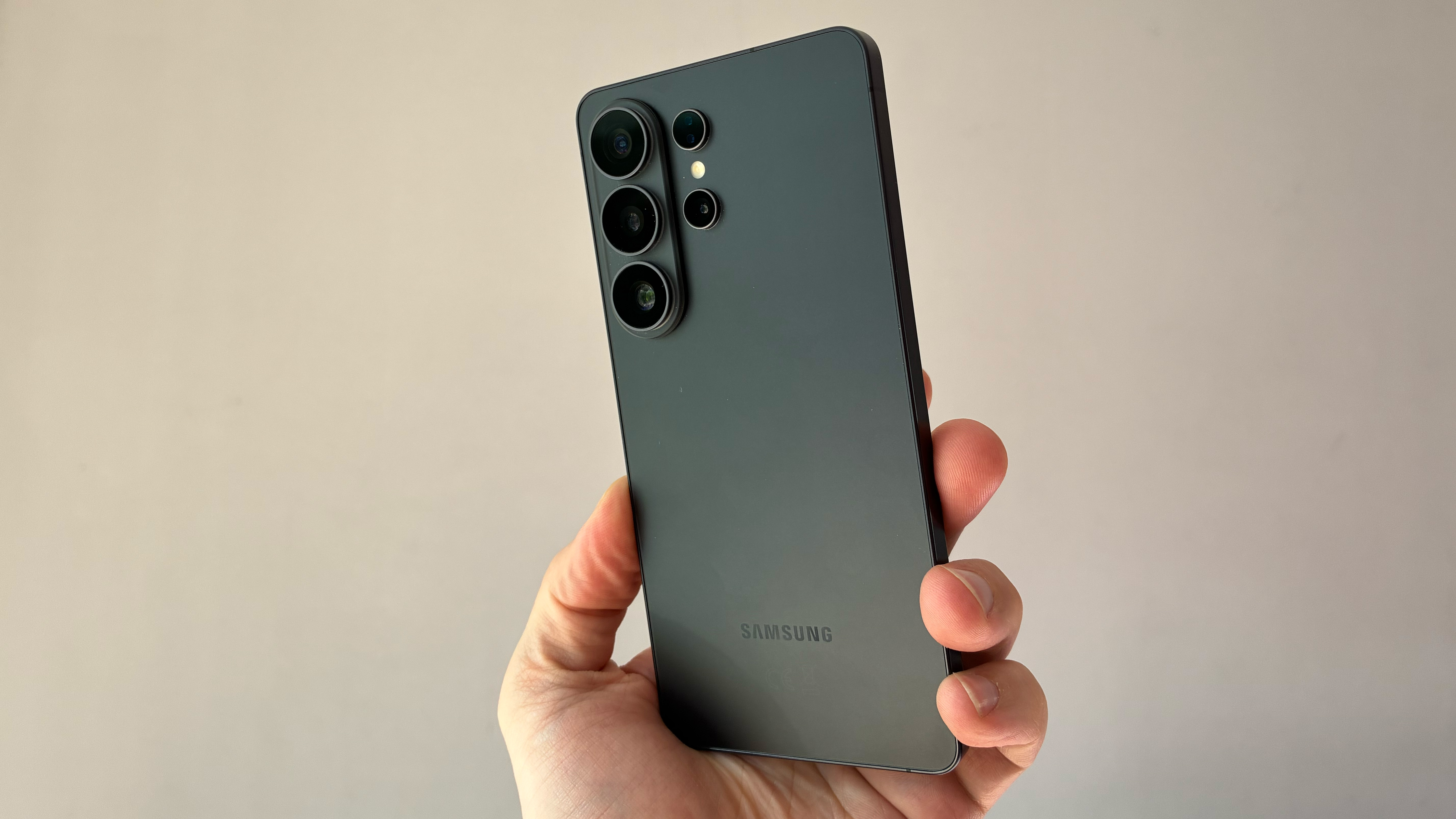 The Samsung Galaxy S26 Ultra is almost an all-in-one solution for video production – its stabilization capabilities are out of this world
Reviews A big, beautiful slab of a smartphone with a cutting-edge privacy display and video capabilities for all your creative needs
-
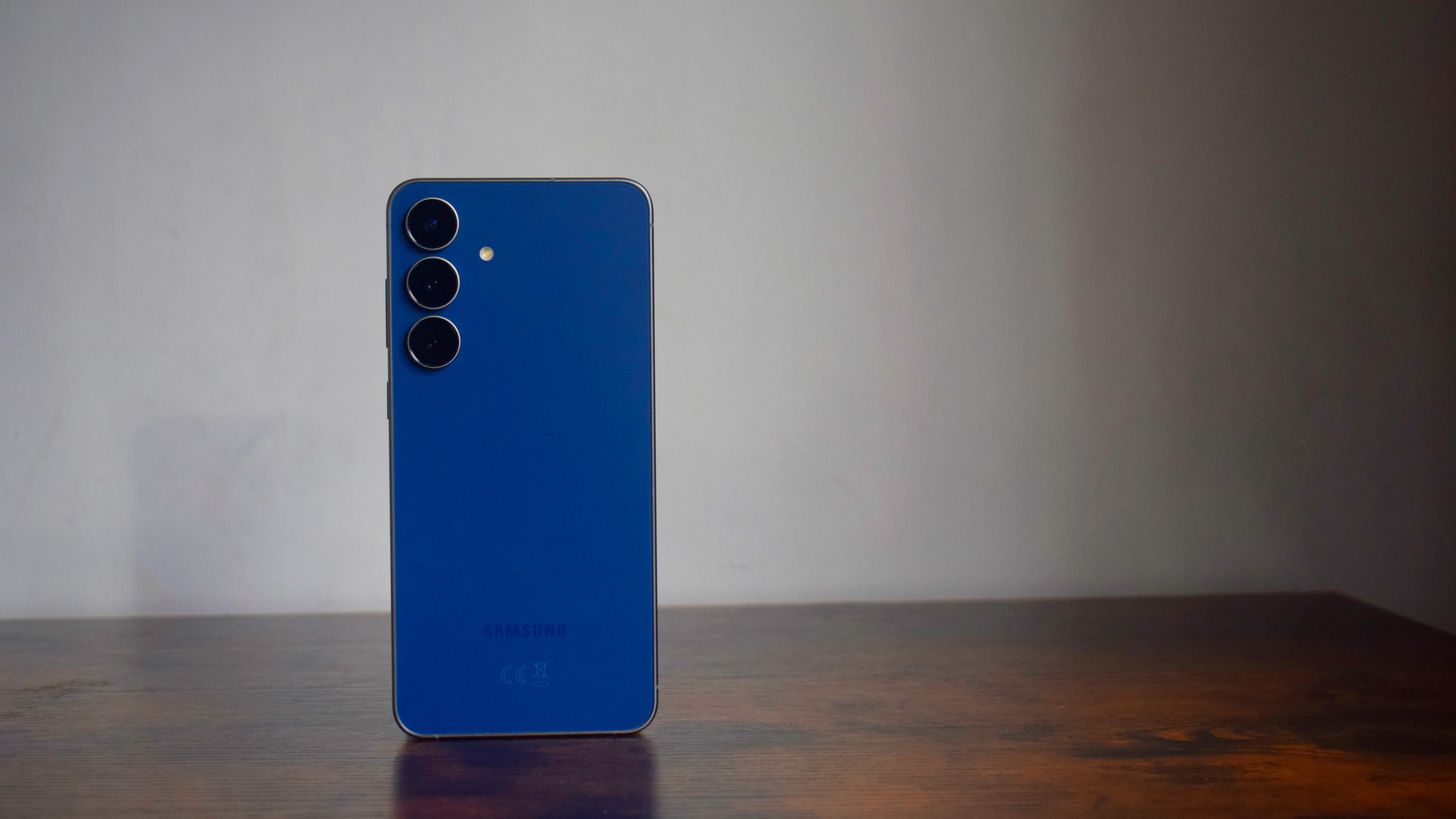 The Samsung Galaxy S25 FE is a superb budget smartphone with premium features – though I found its predictive text frustrating
Reviews A big bright display, all-day battery, and some super premium cameras make this a superb handset for office bods


