Google subsea cable links up to Africa
The Equiano cable is expected to be ready for service later this year


Google has revealed that its Equiano subsea cable has landed in Lomé, Togo, its first stop along Africa’s Atlantic coast.
The cable was first announced in 2019 and is set to run between Portugal and the West coast of Africa, connecting to the countries of Togo, Nigeria, Namibia, South Africa, and St. Helena. It is expected to be ready for service later this year and will carry approximately 20 times more network capacity than the last cable built to serve the region.
Google said that Togo has a strong commitment to boosting its digital economy, and the arrival of Equiano is a key step in the country’s continued digital development. The cable is named after Olaudah Equiano, a Nigerian-born writer and abolitionist.
The company pointed to a study it commissioned which found that the cable is expected to result in faster internet speeds, improved user experience, and lower internet prices in Togo. Internet speeds in the country are expected to double from 10Mbps in 2021 to 21Mbps in 2025, it added, while retail internet prices are forecast to decline by 14% over the same period.
The study also found that improved speeds and lower prices are expected to boost internet penetration, and between 2022 and 2025 Equiano should indirectly create 37,000 new jobs in the country driven by the growth of the digital economy and peripheral sectors.

“With the arrival of the Equiano cable in Lomé, we look forward to helping contribute to the achievement of Togo’s digital goals and accelerating digital transformation not only in the country, but across the continent,” said Nitin Gajria, managing director of Google Africa.
Google added that the cable will not only improve the resilience of the network, but help other partners use and benefit from its capacity. It is partnering with multiple key telecom players, like Société d’infrastructures numériques (SIN) and CSquared, to ensure the cable can reach more businesses and end users across Togo and the African continent more broadly.
This comes after Google announced in October it is set to invest $1 billion in Africa over five years to help the continent undergo digital transformation. It hopes the initiative will help African businesses with their digital transformation, invest in entrepreneurs to spur next-generation technology, and support nonprofits to improve lives over the continent.


-
 Google shakes off tariff concerns to push on with $75 billion AI spending plans – but analysts warn rising infrastructure costs will send cloud prices sky high
News Google CEO Sundar Pichai has confirmed the company will still spend $75 billion on building out data centers despite economic concerns in the wake of US tariffs.
-
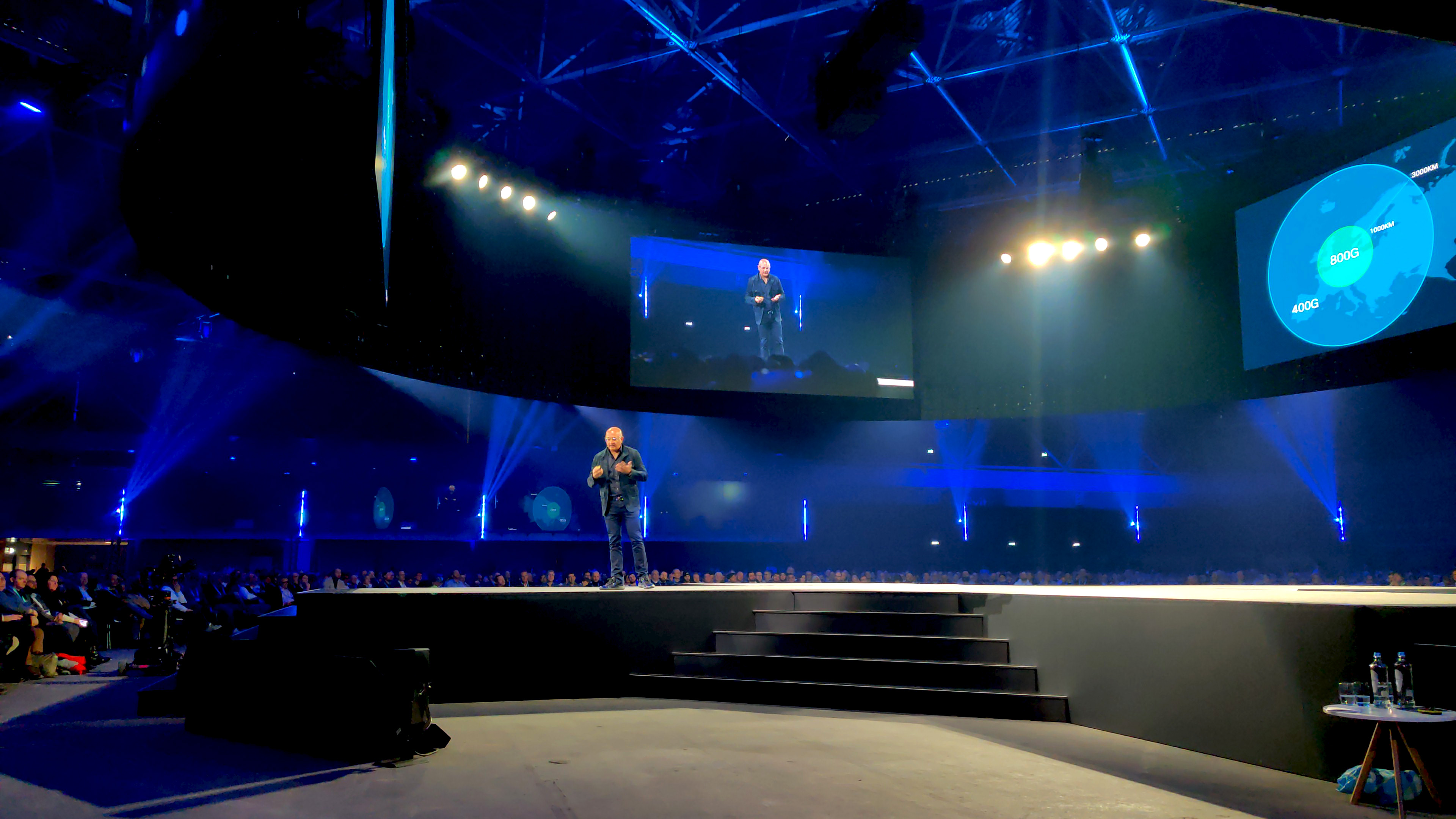 Cisco wants to capitalize on the ‘DeepSeek effect’
News DeepSeek has had a seismic impact, and Cisco thinks it has strengths to help businesses transition to AI-native infrastructure
-
 Future-proofing operations
Whitepaper The Foundational Role of IT Infrastructure and Connectivity Solutions in Achieving Business KPIs
-
 Architecting enterprise networks for the next decade
Whitepaper A new paradigm in network architecture
-
 Why Fulham FC’s geography makes running IT so challenging
Case Study Fending off cyber criminals and keeping equipment updated on match days is more difficult than you might think
-
 Top six networking trends for 2023
Whitepaper By the end of 2023, 20% of organizations will have adopted a NaaS strategy
-
 IDC: Using cloud-based, AI-driven management to improve network operations
whitepaper Reduce complexity through automation and limit time to resolution
-
 The Total Economic Impact™ of Juniper Networks wired and wireless access drive by Mist AI
whitepaper Cost savings and business benefits enabled by the Juniper Mist Solution


