Microsoft’s ‘voluntary exit’ offer explained: Why is the company offering staff buyouts and which staff are eligible?
The tech giant expects fewer than 30% to take up the offer, but the move shows changes are afoot at Microsoft


-
 Japan has declared a national cyber emergency – what could this mean for enterprise security leaders?
Opinion Could authorities elsewhere take similar steps, and does it change how we respond to cyber incidents?
-
 Why containers are no longer the biggest software security challenge
Industry Insights Containers may be mainstream, but the security, governance, and AI risks building up around modern software development are creating a new advisory opportunity for the channel


-
 Microsoft says AI is causing a workforce rupture among British businesses – leaders are backing the technology, but workers still aren’t sold
News New Microsoft research shows a huge disconnect between leadership and employees when it comes to confidence in the UK leading in AI
-
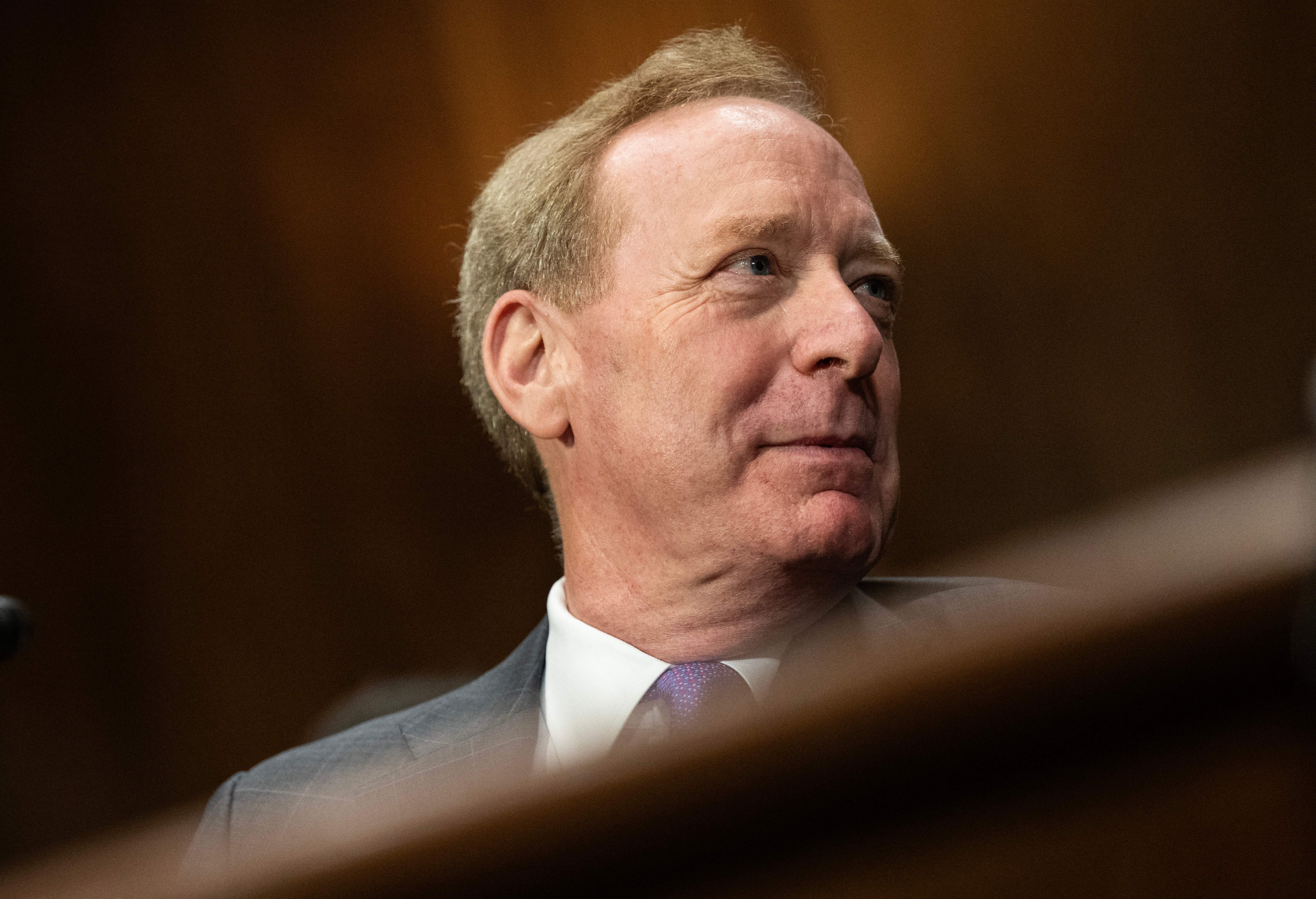 "Right now, your washing machine is subject to more safety rules than AI": Microsoft's Brad Smith wants more AI kill switches
News Brad Smith has called for more regulation, saying the UK is well-positioned to lead
-
 Microsoft and Databricks target AI business context gains in partnership expansion
News Deeper integration of Databricks Genie within Azure aims to build more context-aware AI
-
 Meta used a ‘constellation of internal artificial intelligence systems’ to target workers in recent layoffs, lawsuit claims – keystroke monitoring data, AI token usage, and performance ratings allegedly decided employee fates
News Former Meta employees allege that an AI system used to select people for layoffs was biased
-
 Commvault signs multi-year partnership with Microsoft in cyber resilience drive
News A new multi-year agreement will see Commvault’s AI and cyber resilience platform offered as a native ISV service on Azure
-
 TD Synnex launches dedicated Microsoft alliance growth team
News Distributor is expanding support for high-growth partners through additional sales, technical, and business development resources
-
 Microsoft to face UK competition probe over business software practices
News The tech giant could be designated with strategic market status, meaning it holds undue sway over the UK software ecosystem
-
 ‘Today’s actions are not a cost-cutting exercise’: Cloudflare is cutting 1,100 jobs as internal AI usage surges 600%
News The layoffs at Cloudflare come amid a 600% increase in internal AI usage


