Microsoft and Databricks target AI business context gains in partnership expansion
Deeper integration of Databricks Genie within Azure aims to build more context-aware AI


-
 Nikkei admits millions of records stolen after reporting third breach in a month
News Nikkei has revealed that more than a million records have been stolen, but said most can't be used to identify an individual
-
 Fixes issued for critical PHP vulnerabilities
News The two PHP vulnerabilities carry a CVSS score of 9.2


-
 Microsoft says AI is causing a workforce rupture among British businesses – leaders are backing the technology, but workers still aren’t sold
News New Microsoft research shows a huge disconnect between leadership and employees when it comes to confidence in the UK leading in AI
-
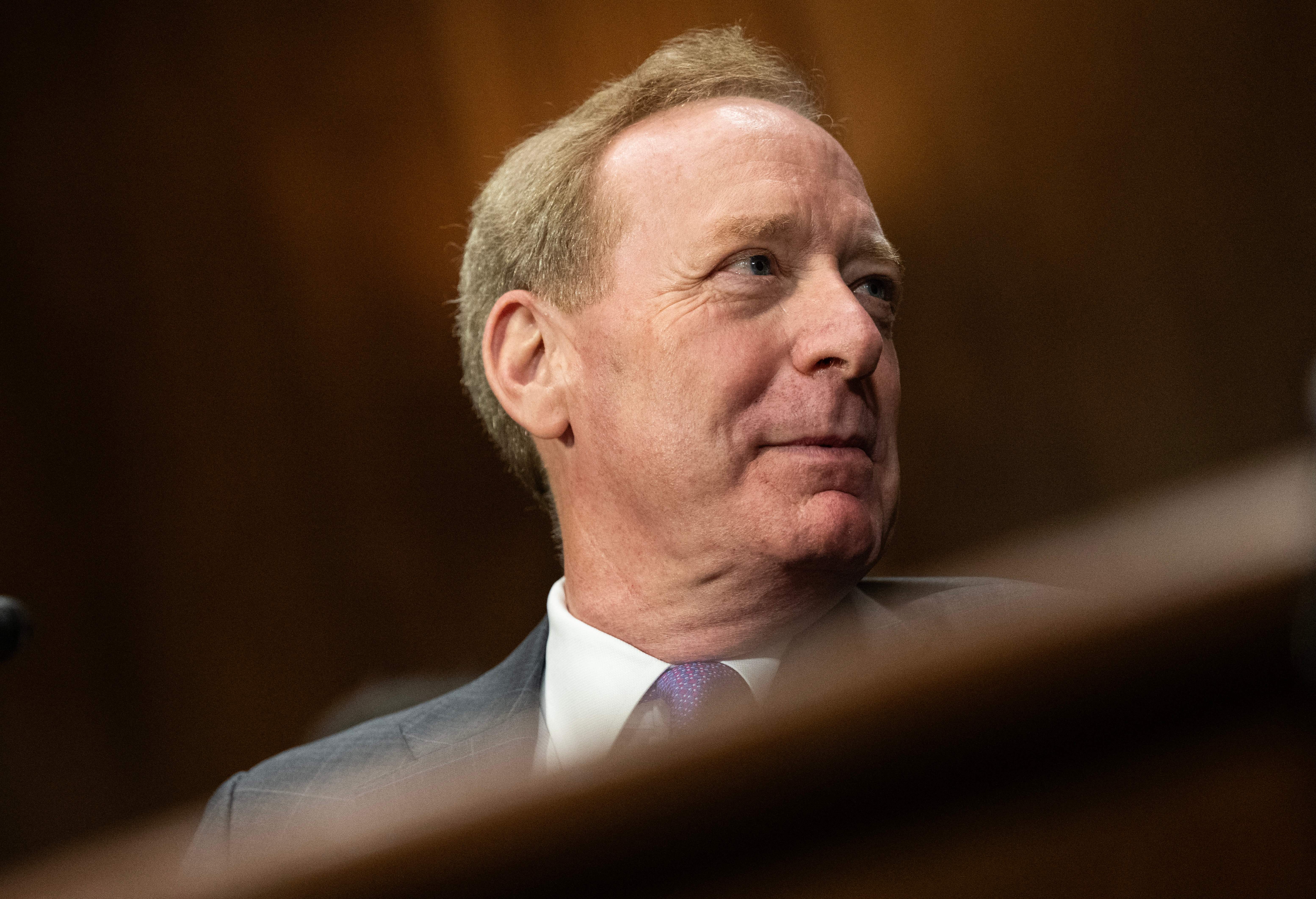 "Right now, your washing machine is subject to more safety rules than AI": Microsoft's Brad Smith wants more AI kill switches
News Brad Smith has called for more regulation, saying the UK is well-positioned to lead
-
 Databricks appoints Lee Stockwell to lead UK&I public sector strategy
News The former ServiceNow executive will oversee the vendor's public sector AI and data initiatives across the UK and Ireland
-
 Commvault signs multi-year partnership with Microsoft in cyber resilience drive
News A new multi-year agreement will see Commvault’s AI and cyber resilience platform offered as a native ISV service on Azure
-
 TD Synnex launches dedicated Microsoft alliance growth team
News Distributor is expanding support for high-growth partners through additional sales, technical, and business development resources
-
 Microsoft to face UK competition probe over business software practices
News The tech giant could be designated with strategic market status, meaning it holds undue sway over the UK software ecosystem
-
 Big tech earnings: Hyperscaler growth rates impress, but concerns remain over surging infrastructure capex
News Concerns remain over big tech infrastructure spending despite positive earnings reports
-
 Microsoft, Amazon cloud practice changes spark mixed industry reaction
News Concerns have been raised over the voluntary actions agreed to by Microsoft and Amazon


