AI’s future rests on copper, and global supply shortages could hamper big tech infrastructure plans
Copper supply bottlenecks could put a huge dent future big tech infrastructure plans


-
 5 cyber resilience questions every IT leader should ask during Cybersecurity Awareness Month
Sponsored Cybersecurity Awareness Month is a good opportunity for IT leaders to ask a simple question: could my business actually recover from a serious cyberattack?
-
 Data centre and cloud shares slide amid AI gloom
Major providers saw massive selloffs following Barclays downgrade as Gartner warns on AI infrastructure spending


-
 Data centers gobbled up 23% of Ireland’s electricity supply in 2025 – nearly as much power as every home in the country combined
News Figures from the Central Statistics Office come amidst rising concerns over the impact of data centers on Ireland's power grid
-
 Colt DCS touts sustainability gains amid data center efficiency strategy
News The company has improved its Global Reference Design (GRD), embedding lower-carbon materials, energy-efficient systems, and near-zero wastewater cooling
-
 Stellanor adds eight UK data centers to rapidly-growing portfolio
News The acquisition from Redcentric will aid its ambitions to become the UK's leading urban data center platform
-
 UK firms ponder offshoring AI workloads as energy costs surge
News A CUDO Compute report confirms power prices are impacting the ability to rollout AI
-
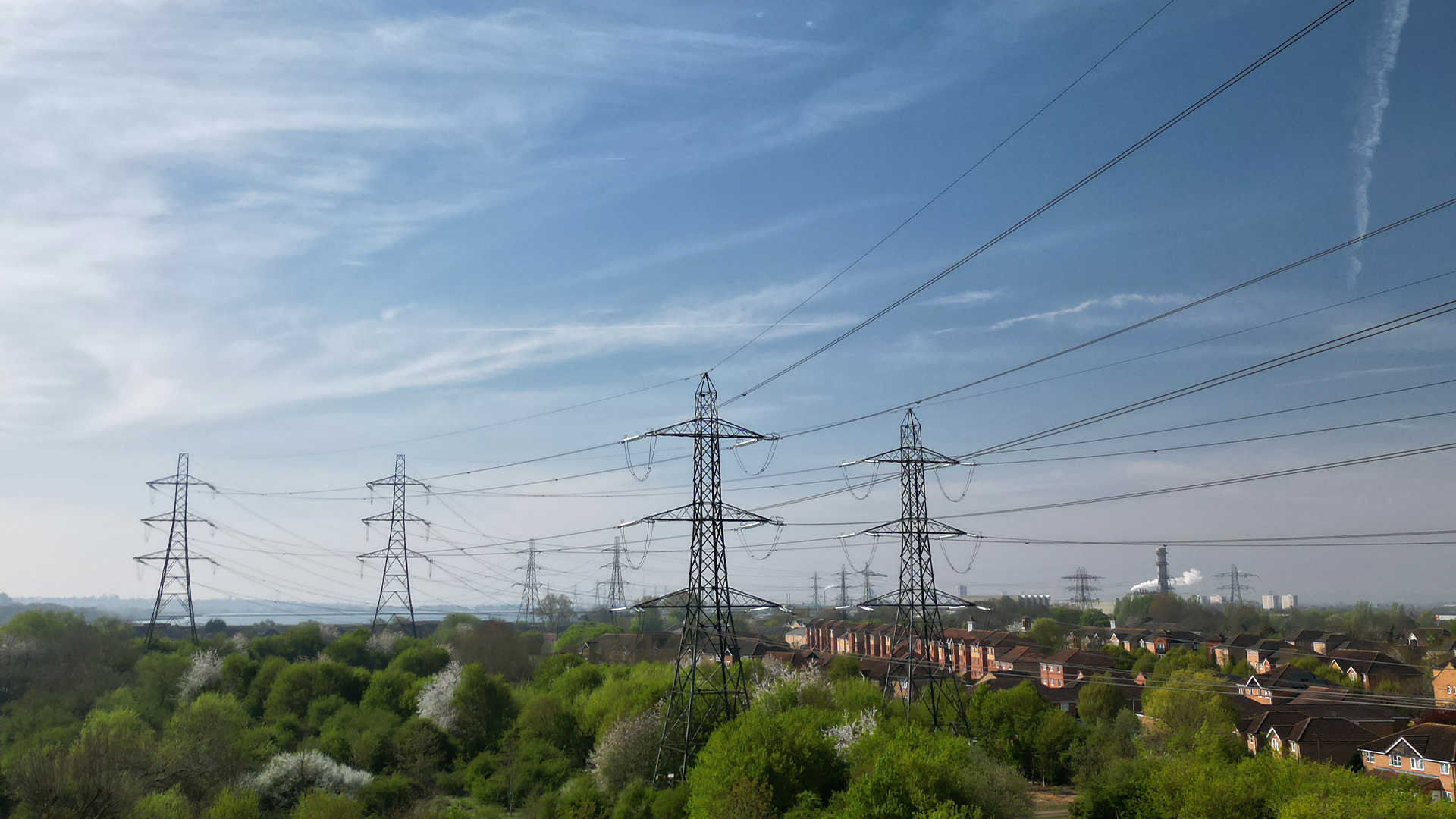 UK government to prioritize data center grid access, cut down on speculative applications
News The new approvals system aims to put a halt to speculative connection applications
-
 Pulsant unveils high-density data center in Milton Keynes
News The company is touting ultra-low latency, international connectivity, and UK sovereign compute power to tempt customers out of London
-
 Grid constraints are slowing down AWS infrastructure plans across Europe – and research shows it's only going to get worse
News Efforts by AWS to expand data center infrastructure across Europe face severe delays due to sluggish grid connection practices, a senior company figure claims.
-
 Why the UK is primed to lead a global charge in ‘green AI’ innovation
News UKAI says there are major economic incentives and a big opportunity for the UK to lead the world in green AI development


