Everything you need to know about AMD
A quick guide to AMD, one of the world's leading semiconductor companies and a longstanding competitor to Intel and Nvidia


Advanced Micro Devices (AMD) is a multinational semiconductor company renowned for its innovative computing and graphics products. Competing directly with giants like Intel and NVIDIA, AMD has carved out a significant place in the technology industry with its high-performance processors and graphics cards.
Here we have a comprehensive overview of AMD, including its history, product offerings, key figures, and what customers can expect from doing business with it.
A brief history of AMD
Quick Facts

Founded: 1969
Founder: Jerry Sanders and a team of technology professionals
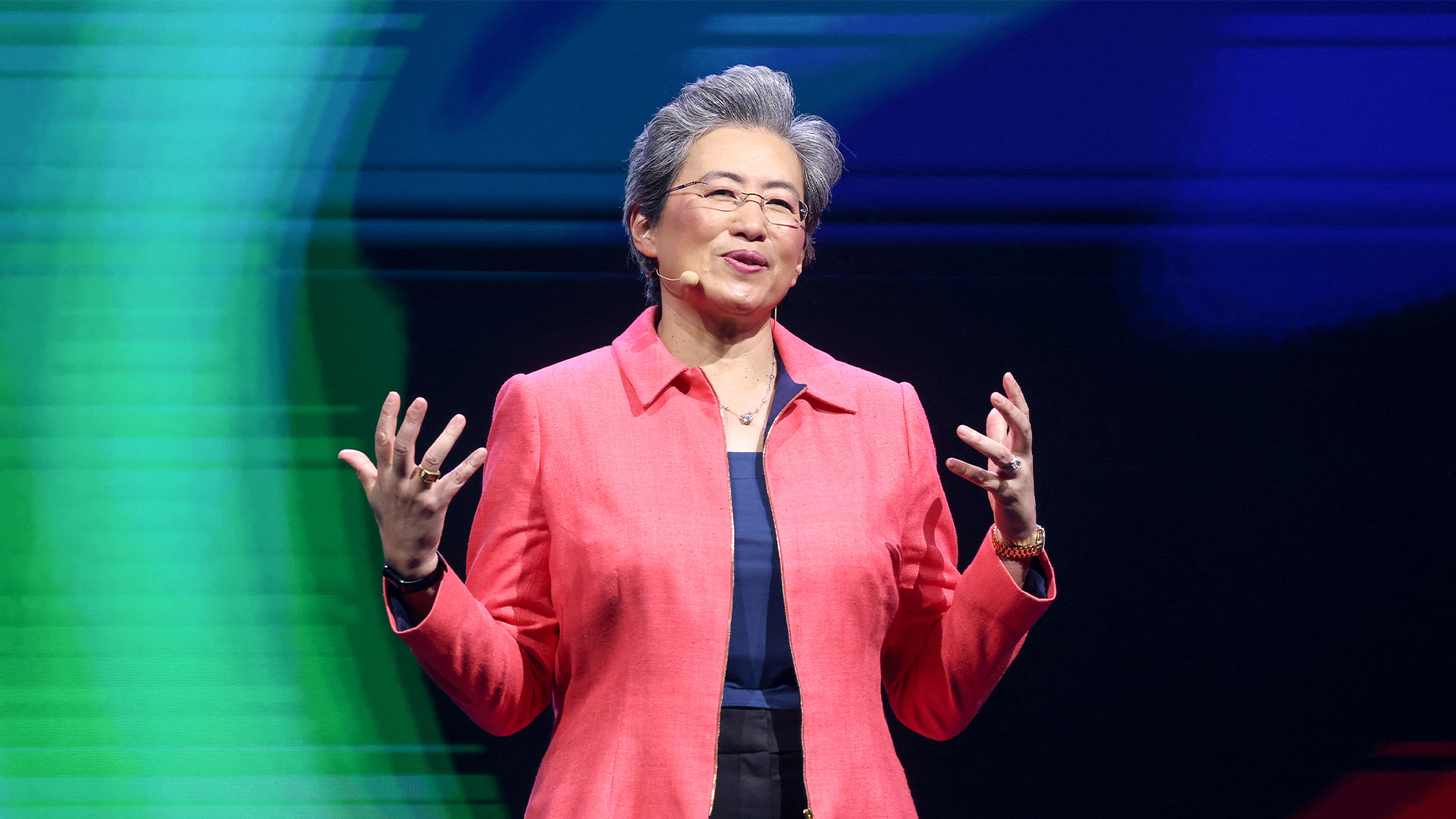
Current CEO: Dr. Lisa Su (pictured)
Headquarters: Santa Clara, California, USA
Annual Revenue: $25.79 billion (2023)
Number of Employees: Approximately 28,000 (2024)
AMD was founded in 1969 by Jerry Sanders and a group of engineers from Fairchild Semiconductor. Initially, AMD focused on producing logic chips. In 1975, it entered the microprocessor market, which would become its core area of focus. The company grew steadily, facing various challenges and competitions, most notably with Intel.
In the early 2000s, AMD gained significant market share with its Athlon and Opteron processors. However, the company struggled during the late 2000s and early 2010s, falling behind Intel in performance. The turnaround came in the mid-2010s with the introduction of the Ryzen processors, which brought it back into strong competition with Intel.
AMD's strategic acquisitions, such as the purchase of ATI Technologies in 2006 and Xilinx in 2022, further expanded its product portfolio and technological capabilities, particularly in graphics and adaptive computing.
What does AMD sell?
AMD offers a diverse array of products that cater to a wide range of markets, from consumer electronics to data centers, gaming, and embedded systems. At the core of AMD's offerings are its microprocessors, which have become increasingly competitive in recent years. The Ryzen series, including Ryzen 3, 5, 7, and 9, targets consumers and enthusiasts with high-performance processors for desktop and laptop computers.

For business users, it provides the Ryzen PRO line, which incorporates enhanced security features and manageability. Budget-conscious consumers can turn to the Athlon series for everyday computing needs. In the server and enterprise space, AMD's EPYC processors have gained significant traction, offering high core counts and performance for data centers and complex applications.
Graphics processing is another key area for AMD, with its Radeon line of GPUs serving gamers and content creators. These range from entry-level to high-end cards, competing directly with NVIDIA in the consumer space. For professionals in fields like design, engineering, and media production, AMD offers the Radeon Pro series, delivering workstation-grade graphics solutions.
AMD also produces chipsets, which work in tandem with their processors to manage data flow in both desktop and laptop motherboards. In the embedded systems market, AMD provides specialised processors that find applications in industries such as automotive, aerospace, and telecommunications, as well as in Internet of Things (IoT) devices.
The acquisition of Xilinx in 2022 expanded AMD's portfolio to include field-programmable gate arrays (FPGAs). This move brought the Virtex and Zynq series under AMD's umbrella, offering high-performance FPGAs and system-on-chip solutions that combine FPGA fabric with ARM processor cores.
It also sells Accelerated Processing Units (APUs), which integrate CPU and GPU capabilities on a single chip. These are particularly appealing for systems requiring good graphics performance without the need for a discrete GPU. The company has also made significant inroads in the gaming console market with its semi-custom solutions, powering popular platforms like PlayStation and Xbox.
For data centers and high-performance computing applications, AMD offers the Instinct series of GPUs, designed to accelerate AI, machine learning, and complex computational tasks. This line directly competes with NVIDIA's data center GPU offerings.

AMD's mergers and acquisitions
Over the years, AMD has strategically acquired several companies to enhance its market position and technological prowess. In 2006, AMD made a pivotal move by acquiring ATI Technologies for $5.4 billion. This acquisition marked AMD's significant entry into the graphics market, allowing it to compete directly with NVIDIA. The integration of ATI’s advanced graphics technology enabled AMD to develop its renowned APUs, which combine CPU and GPU capabilities on a single chip, revolutionising the way computing and graphics processing were handled together.
In 2012, the company acquired SeaMicro for approximately $334 million to bolster its data center solutions. SeaMicro's innovative energy-efficient server technology was a perfect fit for AMD’s strategy to reduce power consumption while increasing performance in data centers. This acquisition allowed AMD to provide more competitive solutions in the burgeoning cloud and data center markets, further solidifying its presence in this critical sector of the tech industry.
The acquisition of Xilinx in 2022 for $35 billion was another game-changer for AMD. Xilinx's expertise in Field-Programmable Gate Arrays (FPGAs) and adaptive System-on-Chips (SoCs) significantly broadened AMD's product offerings, particularly in adaptive computing. This acquisition not only strengthened AMD’s position in data centers but also expanded its reach into automotive and industrial applications, areas that are increasingly reliant on sophisticated computing solutions.
In August 2024, AMD completed the acquisition of Finnish firm Silo AI for $665 million. Silo AI, based in Helsinki, specializes in providing end-to-end AI solutions for enterprise organizations. Its open-source large language models (LLMs), including Poro and Viking — both multilingual — are built on its proprietary SiloGen model and optimized for AMD's platform.
Following the acquisition, Peter Sarlin, Silo AI’s co-founder and CEO, has taken on a leadership role within AMD’s Artificial Intelligence Group, reporting directly to Vamsi Boppana, AMD’s senior vice president. This acquisition reinforces AMD’s commitment to advancing AI capabilities, particularly for enterprise-level applications and multilingual AI solutions.
Also in August 2024, AMD announced it planned to acquire ZT Systems, a leading provider of AI infrastructure for hyperscale computing companies, in a deal valued at $4.9 billion. This acquisition was expected to significantly expand AMD's data center AI systems capabilities. The transaction was completed at the end of March 2025.
Key figures at AMD

Dr Lisa Su, AMD CEO and Chair
Dr. Lisa Su, as Chair and CEO, is widely recognised for revitalizing AMD, driving it back to profitability and significant growth. Overseeing the company’s strategic direction is Victor Peng, the company’s president. Mark Papermaster, the CTO, is at the helm of AMD's technology and product development.
Supporting this leadership team are key executives like Jean Hu, the CFO, Darren Grasby, executive vice president and president of EMEA, and Forrest Norrod, executive vice president and general manager of AMD’s data center solutions. This cohesive leadership team has been instrumental in AMD's resurgence.
What can customers expect from doing business with AMD?

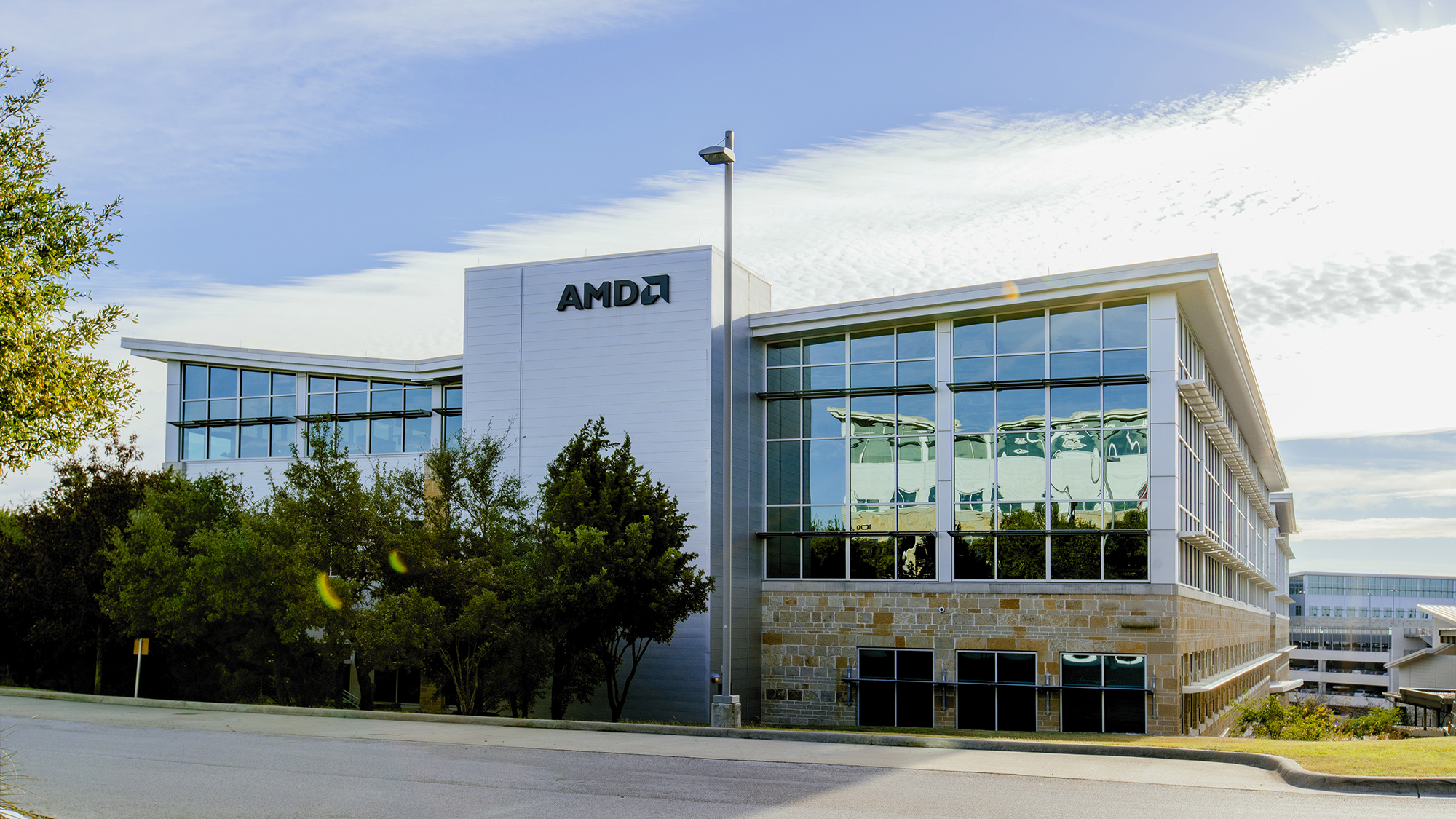
AMD's Shanghai campus
For IT decision-makers, partnering with AMD offers a compelling value proposition that addresses key enterprise concerns. AMD's product portfolio delivers high-performance computing solutions at competitive price points, particularly relevant for data center deployments, high-performance computing (HPC) environments, and virtualization infrastructures.
AMD's EPYC server processors have gained significant traction in the enterprise space, offering a strong performance-per-watt ratio that can lead to lower total cost of ownership (TCO) for data centers. This efficiency translates to potential reductions in power consumption and cooling costs, critical factors for CIOs managing large-scale IT operations.
The company's commitment to innovation ensures enterprise customers have access to cutting-edge semiconductor technology, enabling them to stay ahead of the curve in an increasingly data-driven business landscape. AMD's roadmap aligns well with emerging enterprise needs, including AI and machine learning capabilities, which are becoming integral to many business processes.
RELATED WHITEPAPER

For IT directors concerned with vendor lock-in, AMD's x86 architecture provides a viable alternative in the CPU market, potentially increasing negotiating leverage and flexibility in procurement strategies. Additionally, AMD's recent acquisition of Xilinx expands its offerings in the FPGA space, providing solutions for specialised computing needs in sectors such as telecommunications and industrial automation.
AMD emphasizes robust ecosystem support, offering comprehensive resources for system integrators and IT teams. This includes detailed documentation, developer tools, and enterprise-grade support channels, facilitating smooth integration into existing IT infrastructures and maximising the potential of AMD's products in complex enterprise environments.

-
 A spate of cyber attacks has rocked Japan
News With over 100 cyber attacks impacting major sectors this year, Japan’s ruling party is calling for an emergency taskforce to strengthen AI defenses
-
 Top takeaways: The AI tokenomics challenge
Feature Why invisible metering, compounding agentic workflows, and production scale turn enterprise AI into an open tab – and how leaders can govern for measurable value


-
 Lisa Su says AI is changing AMD’s hiring strategy – but not for the reason you might think
News AMD CEO Lisa Su has revealed AI is directly influencing recruitment practices at the chip maker but, unlike some tech firms, it’s led to increased headcount.
-
 AMD names new VAR and SI commercial sales chief for EMEA
News James Blackman is tasked with building a robust channel community in the region
-
 AMD to cut around 1,000 staff to focus on "growth opportunities"
News The AMD layoffs come after rival Intel cut staff on the back of flagging AI returns
-
 Optiver partners with AMD to turbo charge data center modernization efforts
Supported Content AMD will support the market trading firm as it looks to deliver performance improvements and meet future data needs
-
 AMD bags IEEE’s 2024 Corporate Innovation Award for pioneering chiplet design research
Supported Content This marks the second time AMD has received this award, having previously been recognized for its research into the evolution of x86 microprocessors
-
 IT in manufacturing isn’t just about the production line
Supported From conception to execution, IT is used in manufacturing to boost efficiency, reduce costs, and produce optimal results
-
 How new, longer-life chips can help stretch your budget
Supported When the inevitable upgrade arrives, you need future-proof silicon inside your data center hardware
-
 Workload-optimized 97X4 and 9004 EPYC processors showcased by AMD
Supported New CPUs “push the boundaries” of what is possible in the data center performance, chip giant says


