Semiconductor revenue doubles as AI data center build-outs surge
Gartner predicts revenue growth of 92% for semiconductors, with half of that made up of AI data centers by 2030


-
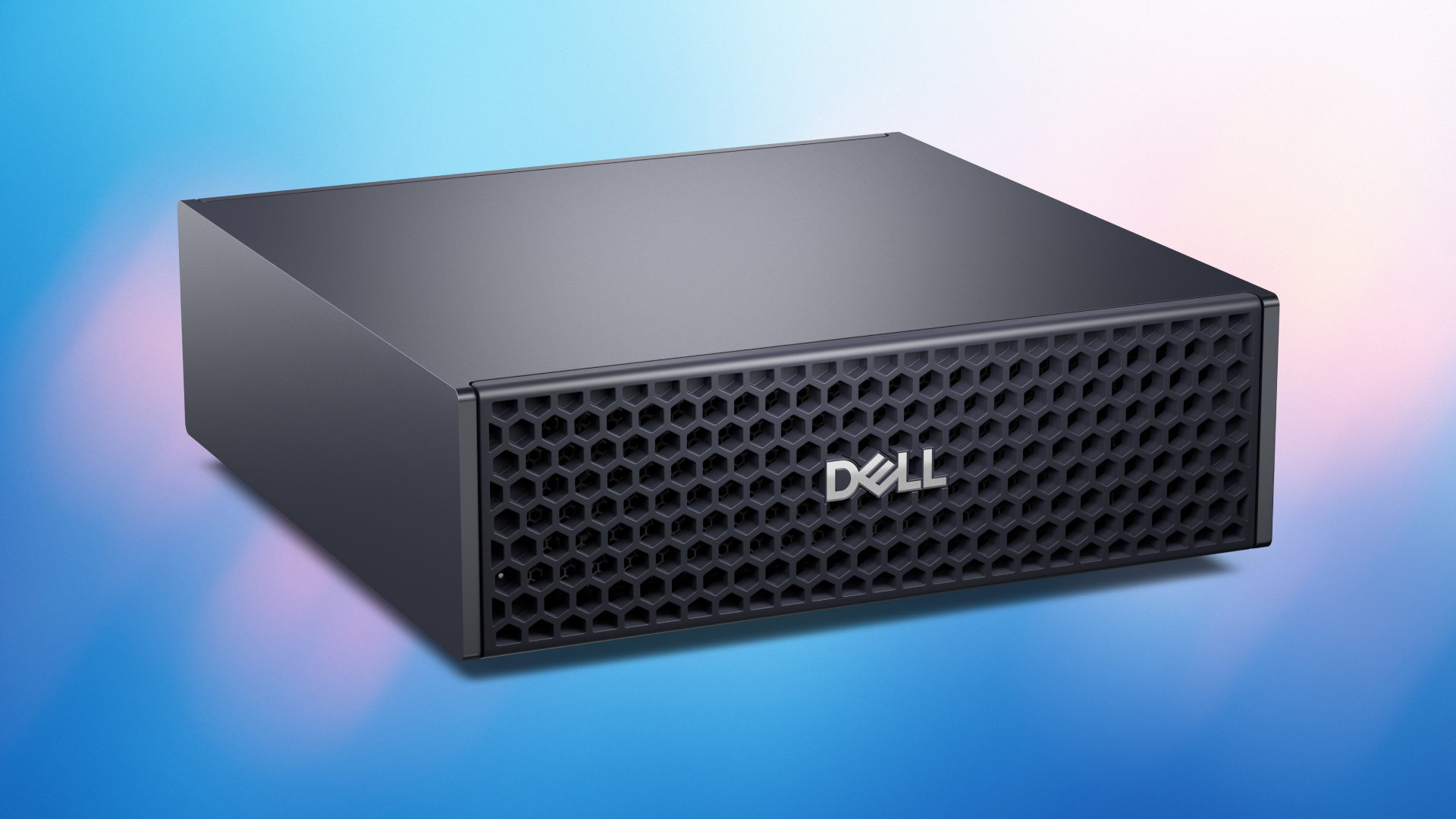 8 reasons the NVIDIA-powered Dell Pro Precision with GB10 could become every AI developer’s favorite tool
Sponsored How Dell Pro Precision with GB10 puts frontier-level AI compute on your desk (and could save you money on token spend)
-
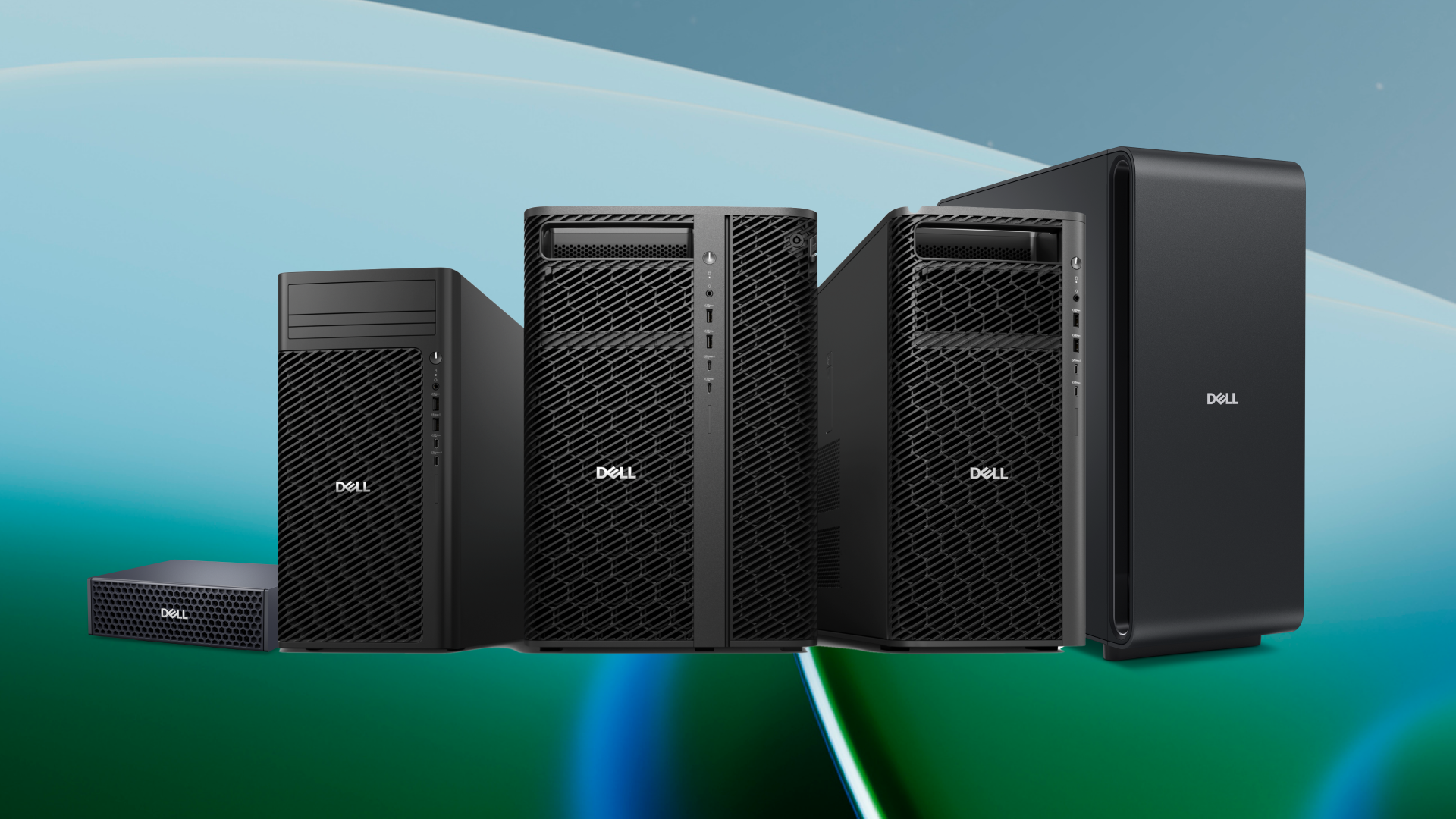 $3k a day on tokens? Dell’s deskside agentic AI Accelerators will save you money on AI development
Sponsored Enterprises are facing rising AI bills, but it doesn’t have to be that way


-
 Gartner just revised its global IT spending projection for 2026 – here’s why
News The analyst firm has made tweaks to previous predictions to reflect confidence in AI spending
-
 Intel to expand European chip production with €5bn Ireland investment
News The company said the plans will create hundreds of jobs and help secure semiconductor supply chains across the EU
-
 UK’s AI Hardware Plan welcomed by industry as government bets big on domestic chip capabilities
News With a focus on British chip firms, the plans include £750 million for the development of a new national AI supercomputer
-
 Global semiconductor revenue set to hit 20-year high
News Gartner research predicts a leap in revenue above the trillion dollar mark for semiconductors this year, the highest growth in twenty years
-
 Power supply shortages are a ticking time bomb for data center operators
News Two-fifths (40%) of data centers will face constraints in power availability by 2027.
-
 What is 'dark data' and how could it be impacting your cloud migration?
Too many businesses are tackling the problem of dark data with additional storage, but this is an expensive and inefficient fix
-
 Looking for profit in the Internet of Things
In-depth Inside the Enterprise: How can CIOs make the most of the opportunities presented by the Internet of Things?
-
 Internet of Things early adopters encouraged by Gartner
News Gartner claims IT leaders that get to grips with IoT early will be best placed to take advantage of emerging business opportunities.


