
-
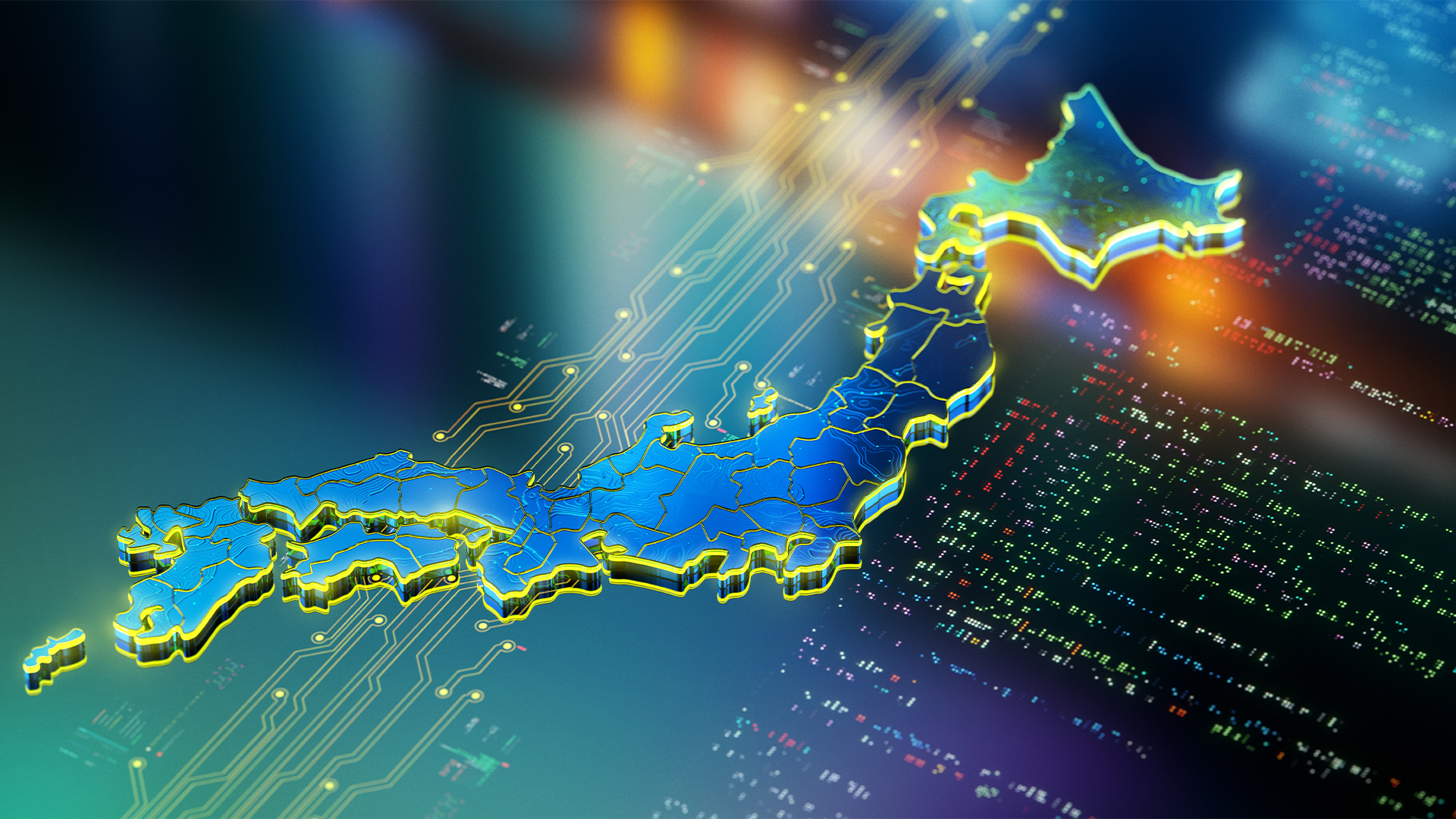 A spate of cyber attacks has rocked Japan
News With over 100 cyber attacks impacting major sectors this year, Japan’s ruling party is calling for an emergency taskforce to strengthen AI defenses
-
 Top takeaways: The AI tokenomics challenge
Feature Why invisible metering, compounding agentic workflows, and production scale turn enterprise AI into an open tab – and how leaders can govern for measurable value


-
 HPE is taking AI to the moon: The Spaceborne Computer-4 will take edge computing to a whole new level on an upcoming lunar rover mission
News The HPE Spaceborne Computer-4 will be used to conduct AI and HPC tests on the lunar surface
-
 Salesforce teams up with Nvidia to launch Koa, a dedicated CRM reasoning model
News The Koa reasoning model is a "game changer" for sales personnel and agents, according to Salesforce
-
 HPE AI Factory adds features to improve your experience with agents
News The HPE AI Factory will now offer the Nvidia Agent Toolkit software, such as Nvidia Nemotron open models and Nvidia NemoClaw
-
 Nvidia touts its contribution to UK sovereign AI plans
News The latest deal sees Nebius expanding capacity in the UK with three new deployments
-
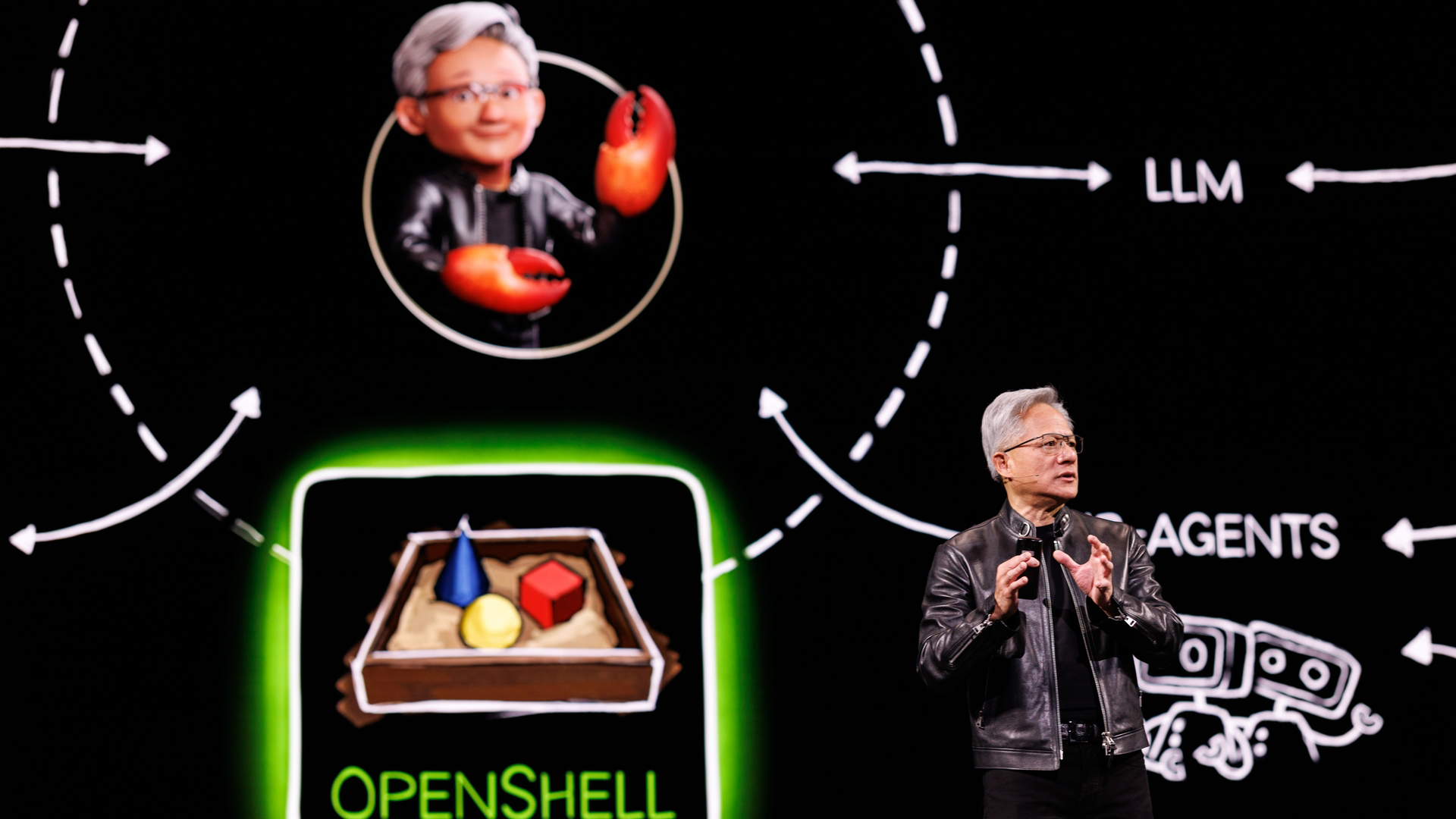 Nvidia targets open source interoperability with new model coalitions, agentic frameworks
News A new open model development coalition and agentic frameworks target enterprise interoperability
-
 Will AI hiring entrench gender bias?
ITPro Podcast This International Women's Day, it's more important than ever to consider the inherent biases of training data
-
 February rundown: SaaS-pocalypse now?
ITPro Podcast Geopolitical uncertainty is intensifying public and private sector focus on true sovereign workloads
-
 HPE and Nvidia launch first EU AI factory lab in France
News The facility will let customers test and validate their sovereign AI factories


