HPE wins contract for Kestrel supercomputer with US renewable energy lab
The company will support the organisation’s research and development into planning for future energy systems


HPE has won a contract with the US Department of Energy’s National Renewable Energy Laboratory (NREL) to build a new supercomputer to support the organisation’s ongoing research and development into energy.
Dubbed “Kestrel”, in a continuation of NREL's practice of naming systems after various bird species, the supercomputer will be built on the HPE Cray EX high-performance computing (HPC) platform, which is advertised as being able to scale performance on demand and harness insights more efficiently through advanced modelling, simulation, AI, and analytics capabilities.
Kestrel is set to play a critical role in computing across the Department's Office of Energy Efficiency and Renewable Energy research portfolio, advancing research in computational materials, continuum mechanics, and large-scale simulation and planning for future energy systems.
The supercomputer will contain Intel Xeon Scalable processors, Nvidia A100NEXT Tensor Core GPUs to support AI, and HPE Slingshot, an Ethernet fabric built for next-generation supercomputing to address higher speed and congestion control for larger data-intensive and AI workloads. NREL’s Kestrel will also deliver over 75 petabytes of parallel file system storage using the Cray Clusterstor E1000 storage system.
RELATED RESOURCE

Kestrel is set to be completed in 2023 and will have more than five times greater performance than NREL’s existing system, Eagle, with approximately 44 petaflops of peak performance. It will be hosted in NREL’s Energy Systems Integration Facility data centre in Golden, Colorado.
“We look forward to continuing our relationship with NREL and are honoured to have been selected to deliver an advanced supercomputer with Kestrel that will significantly augment the laboratory’s efforts in making breakthrough discoveries of new, affordable energy sources to prepare for a sustainable future,” said Bill Mannel, vice president and general manager of HPC at HPE.
This is HPE’s second supercomputing announcement of the week, as on 1 December it announced it had won a contract with the government of Thailand to build a supercomputer for the country’s National Science and Technology Development Agency. It is set to be 30 times faster than its existing system and expected to be installed and become operational in 2022.

-
 How resellers can turn hybrid meeting pain into repeatable revenue
Industry Insights Reliable technology turns hybrid work frustrations into recurring reseller revenue opportunities
-
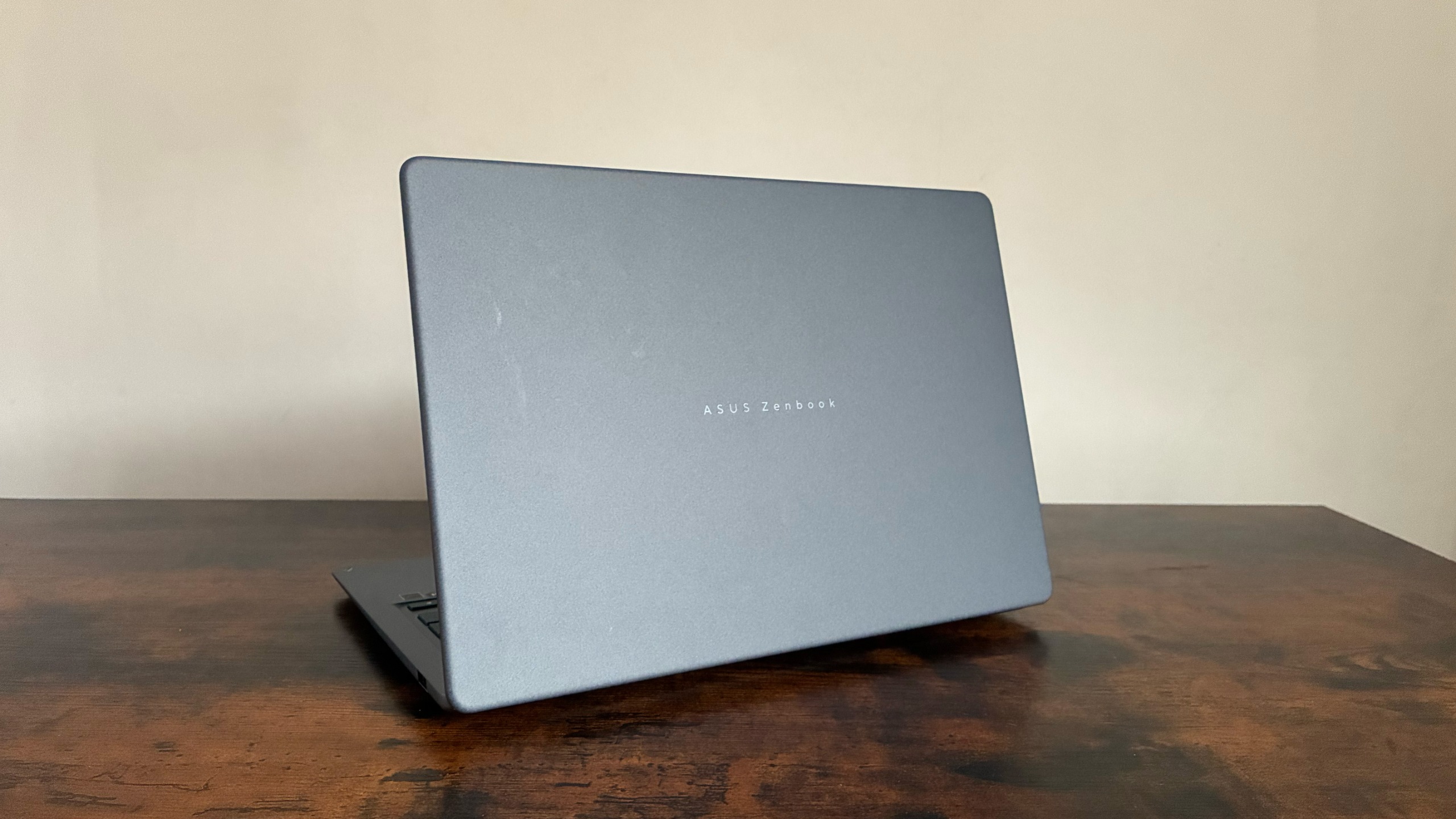 Asus Zenbook 14 (Snapdragon X UX3480Q) review
Reviews Poor battery performance and an older Snapdragon chip, but still a good choice for the office


-
 Oracle expands HPE Juniper Networking deal to support AI infrastructure build-out
News The deal is aimed at supporting scale, performance, and availability as Oracle expands its AI superclusters
-
 Bringing data to the heart of AI
Sponsored AI is changing our approach to data, find out how HPE Alletra Storage can help your business
-
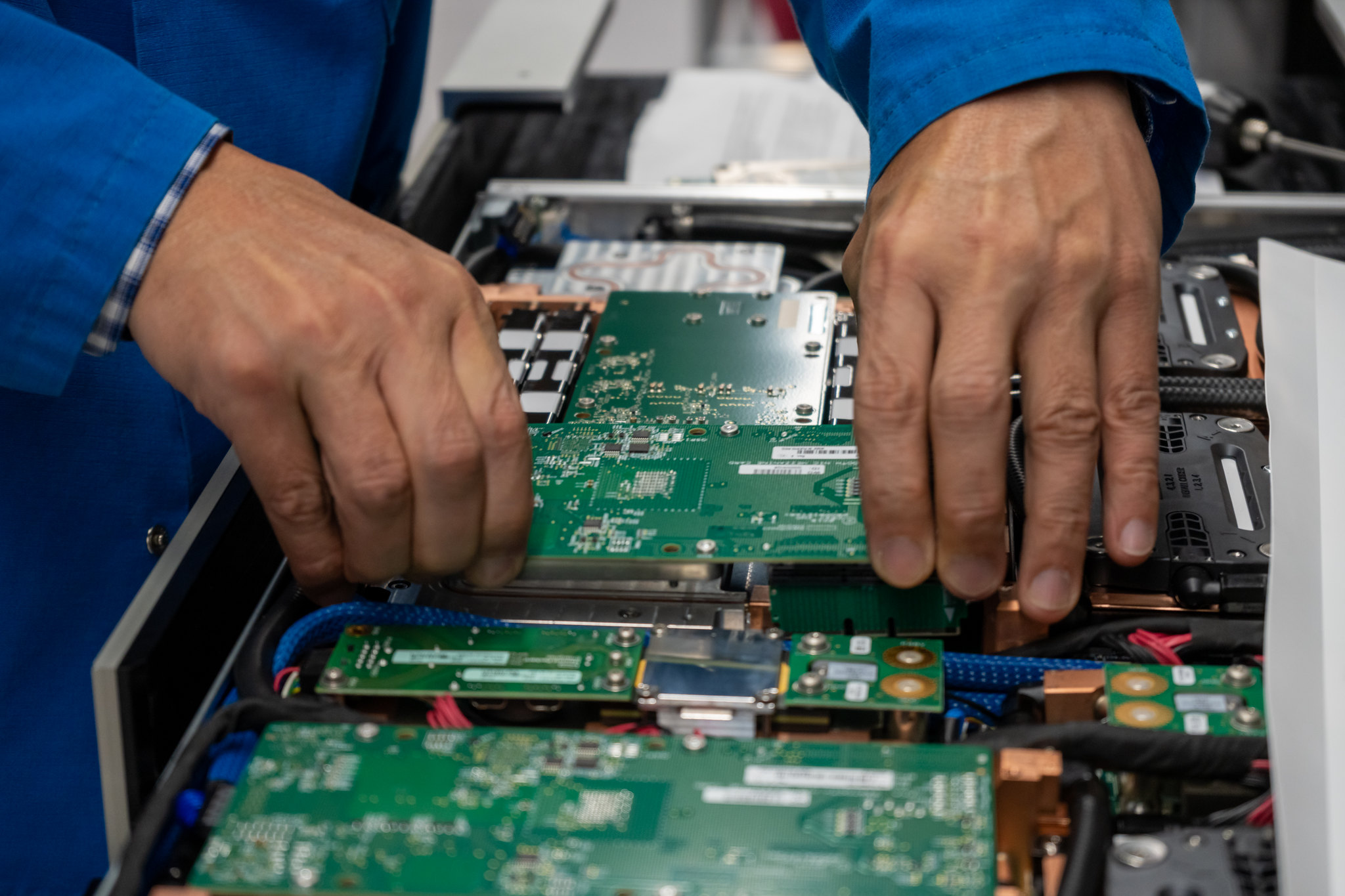 Is the Top500 meaningless? Not so, says US national laboratory CTO
In-depth LINPACK may measure only one process, but there are real and meaningful use cases for exascale systems
-
 HPE's networking push dominated Discover 2026. Is this the future for the company?
Opinion Juniper Networks is the crown jewel in the HPE estate, but that may not last forever
-
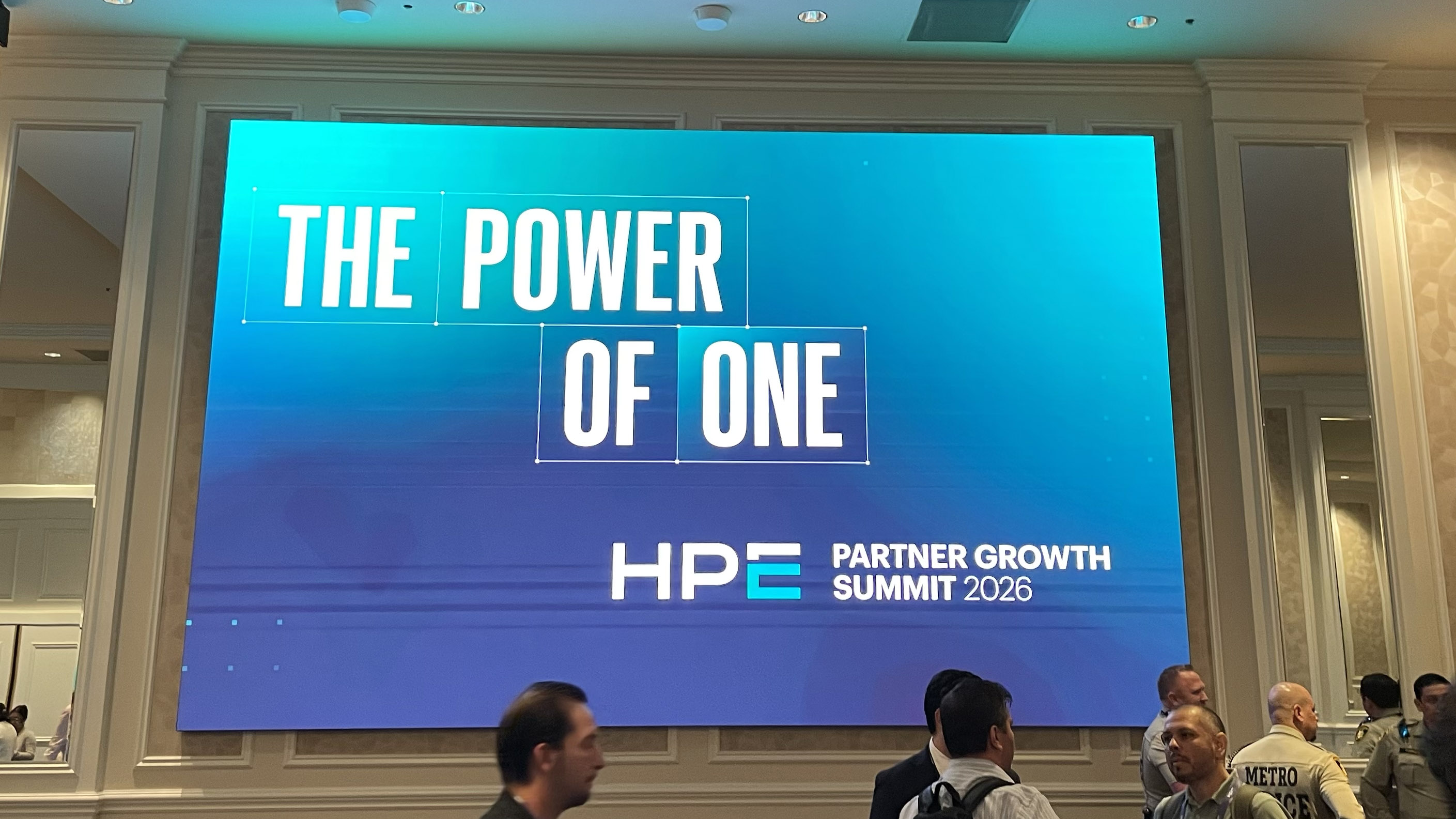 HPE Partner Growth Summit Live
All the news and announcements from the HPE Partner Growth Summit at HPE Discover 2026
-
 HPE touts new ‘ruggedized’ ProLiant servers built to withstand ‘extreme stressors’
News New HPE ProLiant servers come equipped with an “environmental ruggedization” kit for use in challenging environments
-
 HPE touts new networking products ahead of MWC
News New router launches aim to help enterprises tackle surging AI data traffic demands
-
 HPE ProLiant Compute DL345 Gen12 review: A truly EPYC single socket rack server
Reviews The big EPYC core count and massive memory capacity make this affordable single-socket rack server ideal for a wide range of enterprise workloads


