AI agents have a mind of their own – and that’s a problem for businesses
New research shows that half of organizations are having to deal with agent behaviour that hasn't been authorized or approved.


-
 US raids laptop farms used to funnel $3 million to North Korea in fake candidate scam
The Famous Chollima operation hit organizations in the health care, communications, cyber support, retail, and manufacturing sectors
-
 Special agents: the changing face of AI in business and how it’s driving ROI
Scaling AI beyond initial experimentation and delivering measurable returns means establishing strong foundations from the outset


-
 ‘We can assume that all threat actors are using AI in some capacity’: Cyber researchers warn hackers are ramping up automated attacks
News Google Threat Intelligence Group has issued a warning over the increased threats posed by hackers using agentic AI tools
-
 Trust your AI agents? New research shows ‘memory poisoning’ can dupe them into ‘remembering’ fake information – and it’s a huge security risk
News Memory poisoning allows hidden text on a webpage to be treated as fact and used to make harmful decisions
-
 An ‘unprecedented cyber incident’: How OpenAI models breached Hugging Face – and why it could herald a ‘new phase of AI-powered cyber crime’
News The incident should serve as a stark warning on the dangers of AI agents, according to cyber experts
-
 AI agents could make living off the land attacks ‘much more dangerous’, says CrowdStrike Field CTO
Analysis Living off the land attacks are evolving rapidly as threat actors target agents with deep access to enterprise networks and sensitive data
-
 Databricks launches AI co-worker, Genie One
News The AI program is designed to help business teams manage workflows and automate work-related tasks
-
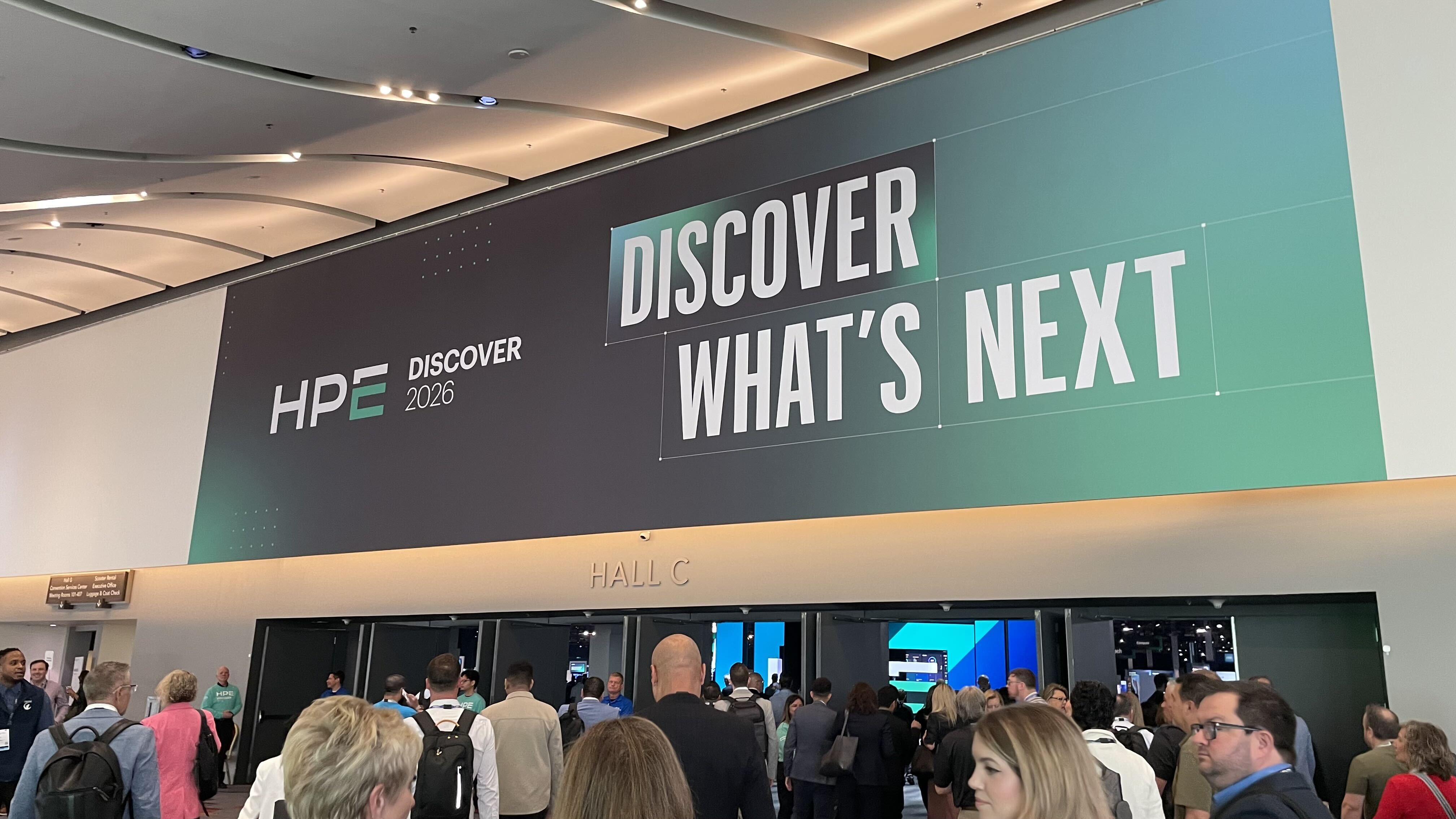 HPE AI Factory adds features to improve your experience with agents
News The HPE AI Factory will now offer the Nvidia Agent Toolkit software, such as Nvidia Nemotron open models and Nvidia NemoClaw
-
 Beyond "agent washing": how to build AI systems that actually deliver ROI
Sponsored Dell Technologies CTO and CAIO explains where enterprise AI is heading
-
 'Most enterprises are still unprepared to operationalize it': IT leaders are bullish on agents, but keeping falling at the final hurdle – here's why
News Forrester points to challenges scaling agentic AI, saying companies start rolling out the tech before they're ready to scale


