AI was a harbinger of doom for low-code solutions, but peaceful coexistence is possible – developers still love the time savings and simplicity despite the allure of popular AI coding tools
The impact of AI coding tools on the low-code market hasn't been quite as disastrous as predicted


-
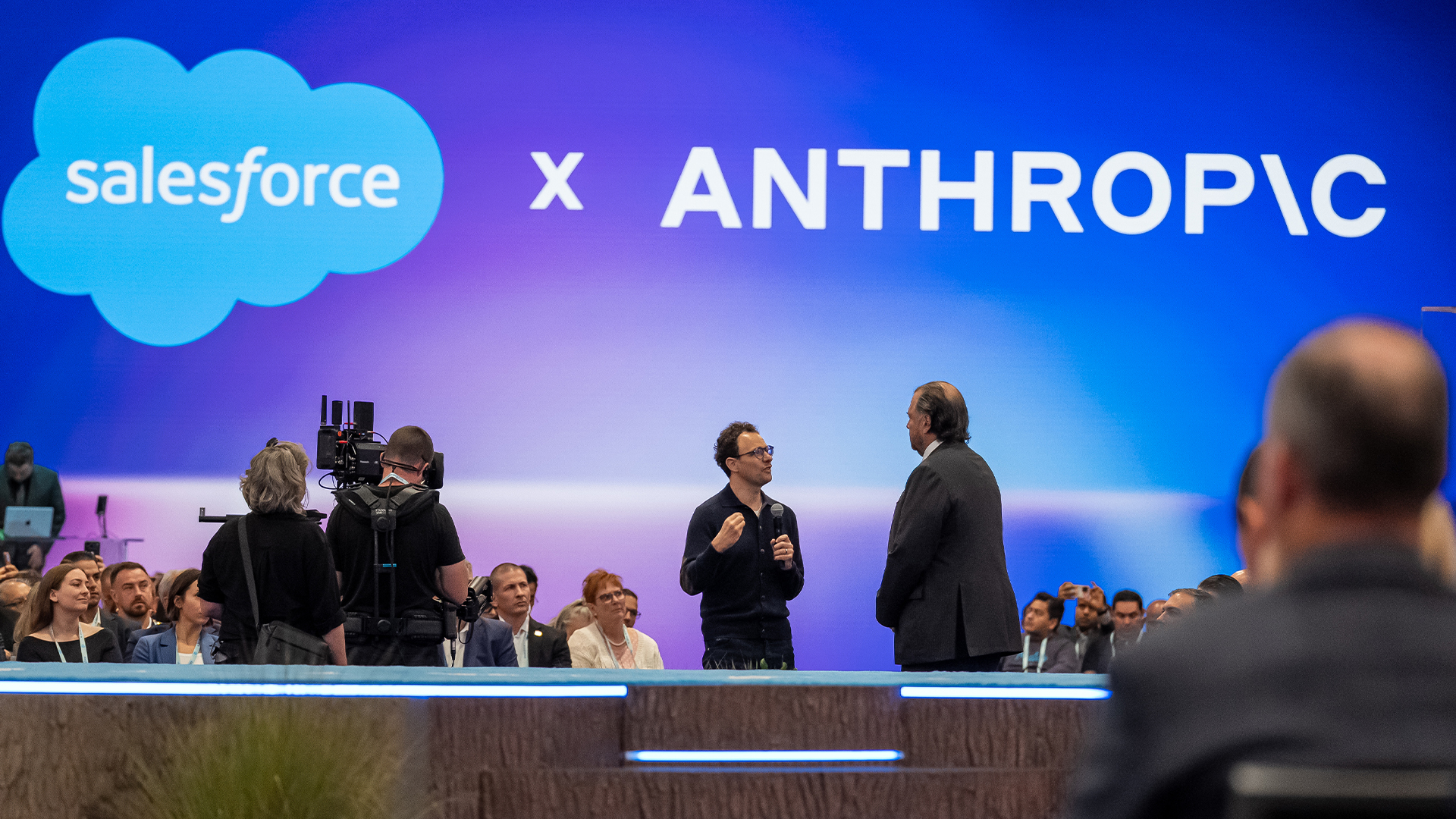 Dreamforce 2026 showed AI safety is the new big tech battleground
News Differing outlooks on AI safety risks have become clear as leading tech figures hit an impasse on responsible development
-
 Marc Benioff and Jensen Huang aren’t sold on the ‘SaaSpocalypse’
News Reports on the death of SaaS has been greatly exaggerated, according to the Nvidia and Salesforce chiefs – but big changes are still looming for software providers


-
 Software teams should take a leaf out of manufacturers books when it comes to testing code
News Software testers are struggling to keep up with the pace of code production. UiPath thinks it has the solution
-
 Amazon targets agent safety gains with investment in team behind Lean programming language
News The tech giant hopes support for the open source programming language could drive AI agent safety improvements
-
 ‘The challenge now is making sure the next generation develops those same foundations before relying too heavily on AI’: Devs are swerving fundamental skills like Git and Agile because of AI – but there’s a good reason
News O'Reilly has recorded a massive fall in programming fundamentals courses, but that’s not to suggest devs aren’t learning key skills
-
 ‘The biggest barrier to growth is not access to technology, it is access to the right people’: Demand for developers with AI skills has surged 597% – but enterprises are still struggling to find the right talent
News Hiring is shifting away from traditional software development toward specialized roles to integrate, govern, and scale AI systems
-
 Enterprises are shipping so much AI-generated code they can't control or secure it
News As AI coding becomes commonplace, organizations are struggling to control what they are shipping
-
 Why is Windows 11 so disliked by programmers – and can Microsoft do anything to change things?
Windows isn't the most useful OS in the eyes of developers, with programmers preferring macOS or Linux. But is its bad reputation uncalled for?
-
AI might help speed up software development, but 81% of devs now spend more time reviewing code – and it’s creating an ‘invisible work’ trend that’s pushing teams to the limit
News While AI is improving productivity and efficiency, many developers are caught up in a vicious cycle of code reviews and bug hunting
-
 Everything you need to know about the GitHub Copilot pricing changes
News GitHub Copilot pricing changes mean users will be charged based on consumption, rather than a set number of credits


