CIOs and CTOs are making high-stakes decisions with incomplete information, IBM survey reveals
Architecture, governance, and investment decisions control how fast organizations can move, what risks they can handle, and which opportunities are viable


-
 Workday is moving like a start-up to compete in the AI era
In-depth The firm says it is focused on delivering value for customers
-
 From discovery to orchestration - how AI is reshaping the channel marketplace
Industry Insights AI is transforming marketplaces from product discovery into intelligent commercial orchestration


-
 OpenAI forges closer ties with IBM in enterprise push
News The duo will combine OpenAI models and products with IBM Consulting expertise
-
 Put AI to work for IT operations
whitepaper Reduce the cost and complexity of managing hybrid applications
-
 AI in the retail industry is spreading beyond the IT department
News AI has become a strategic imperative for retailers, delivering marked productivity gains
-
 Maximizing contact center operations with generative AI assistants backed by responsible AI principles
whitepaper Reduce the cost and complexity of managing hybrid applications
-
 IBM just launched powerful new open source AI models – here’s what you need to know
News Available under the Apache 2.0 license, IBM's Granite 3.0 models are trained on enterprise data and can out-perform the competition
-
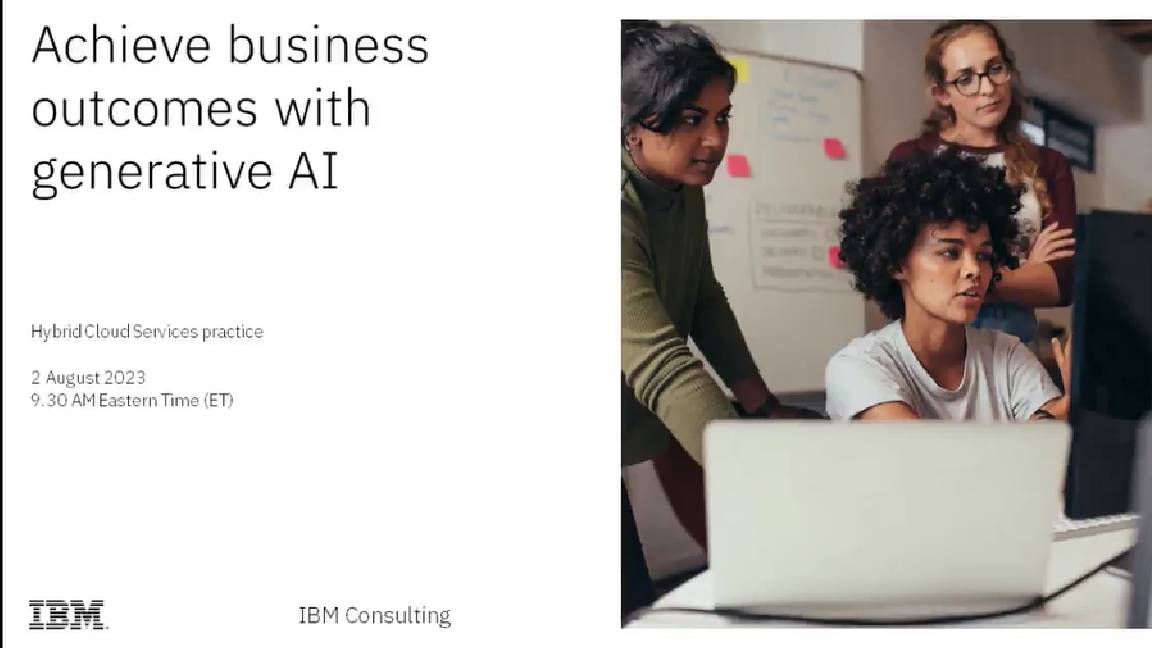 Achieving business outcomes with generative AI
Webinar Take your hybrid cloud journey to the next level with generative AI
-
 Wimbledon’s new Catch Me Up AI feature promises to keep fans up to date at the tournament – after it irons out some of the wrinkles
News The latest feature to come out of IBM’s partnership with Wimbledon will keep fans engaged from the early stages right through to the final with dynamic player insights
-
 AI demands new ways of data management
whitepaper The data leader’s guide for how to leverage the right databases for applications, analytics and generative AI


