Large enterprises could be wavering on AI adoption
AI adoption rates have dipped, but it's probably nothing to worry about for IT leaders


-
 A spate of cyber attacks has rocked Japan
News With over 100 cyber attacks impacting major sectors this year, Japan’s ruling party is calling for an emergency taskforce to strengthen AI defenses
-
 Top takeaways: The AI tokenomics challenge
Feature Why invisible metering, compounding agentic workflows, and production scale turn enterprise AI into an open tab – and how leaders can govern for measurable value


-
 Microsoft wants to tackle the biggest issue for UK AI adoption: confidence
News UK and Ireland CEO Darren Hardman says it's our responsibility to get AI into every corner of the UK
-
 Huawei is positioning itself as a viable alternative to big US tech companies. Can it pull it off?
Opinion With Nvidia and AMD excluded from the Chinese AI market, Huawei is building a powerful reputation at home and abroad
-
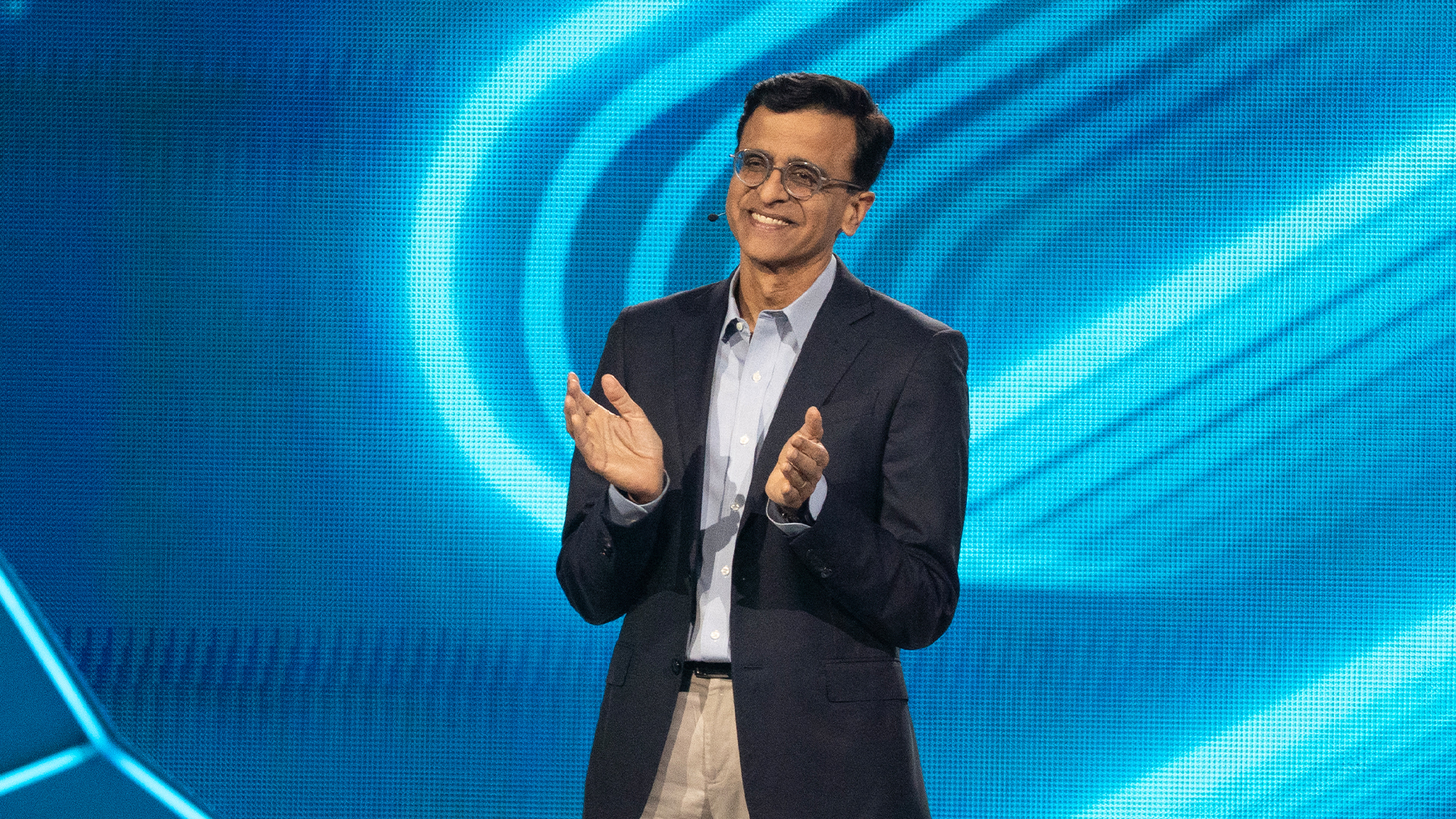 “Enterprises are becoming much more rigorous about the economics of AI”: Snowflake wants to help you cut AI costs by choosing the right model for the right task
News New dynamic model routing capabilities aim to help customers box clever when it comes to their AI model choice
-
 Microsoft has joined the growing list of companies cracking down on ‘tokenmaxxing’
News The company is updating internal guidance to reduce rising costs
-
 ‘AI cost management has the same problems that cloud had’: Enterprises are still facing huge AI bills thanks to ‘tokenmaxxing’ – that means FinOps practices are more important than ever
News With firms facing surging AI bills, FinOps techniques are more important than ever
-
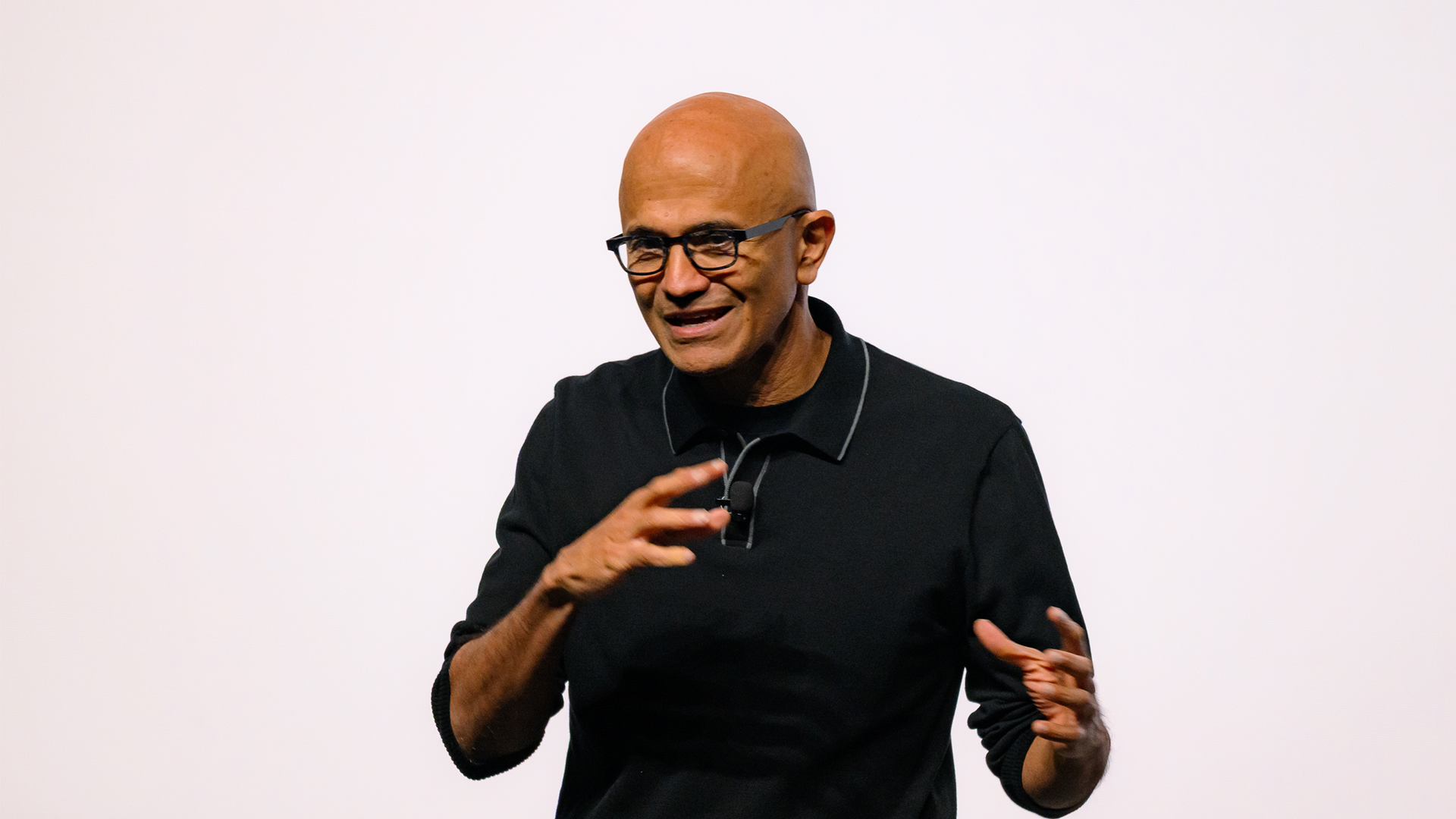 ‘We are now seeing MAI models outperform general-purpose frontier models’: Microsoft CEO Satya Nadella touts in-house models to cut spiralling AI costs – and reduce growing reliance on frontier labs
News The Microsoft chief says pricey frontier models don't have to be used for every task, and its own in-house MAI models could be the key to reducing costs.
-
 3 ways to get your data AI-ready
Sponsored Data placement, preparation, and orchestration make or break an AI project – and the Dell AI Data Platform reduces the strain on enterprise IT teams across both storage and the data foundation
-
 ‘A company should be able to use a model without giving up the knowledge that makes it unique’: Microsoft CEO Satya Nadella says enterprises shouldn’t be sharing so much data with AI providers
News The Microsoft chief warned that corporate data could be at risk thanks to AI models


