Liz Kendall: The UK is in prime position to become a global leader in AI — but greater tech industry support is needed to avoid falling behind
Tech secretary Liz Kendall has pledged greater investment in the chip and semiconductor technologies that underpin AI


-
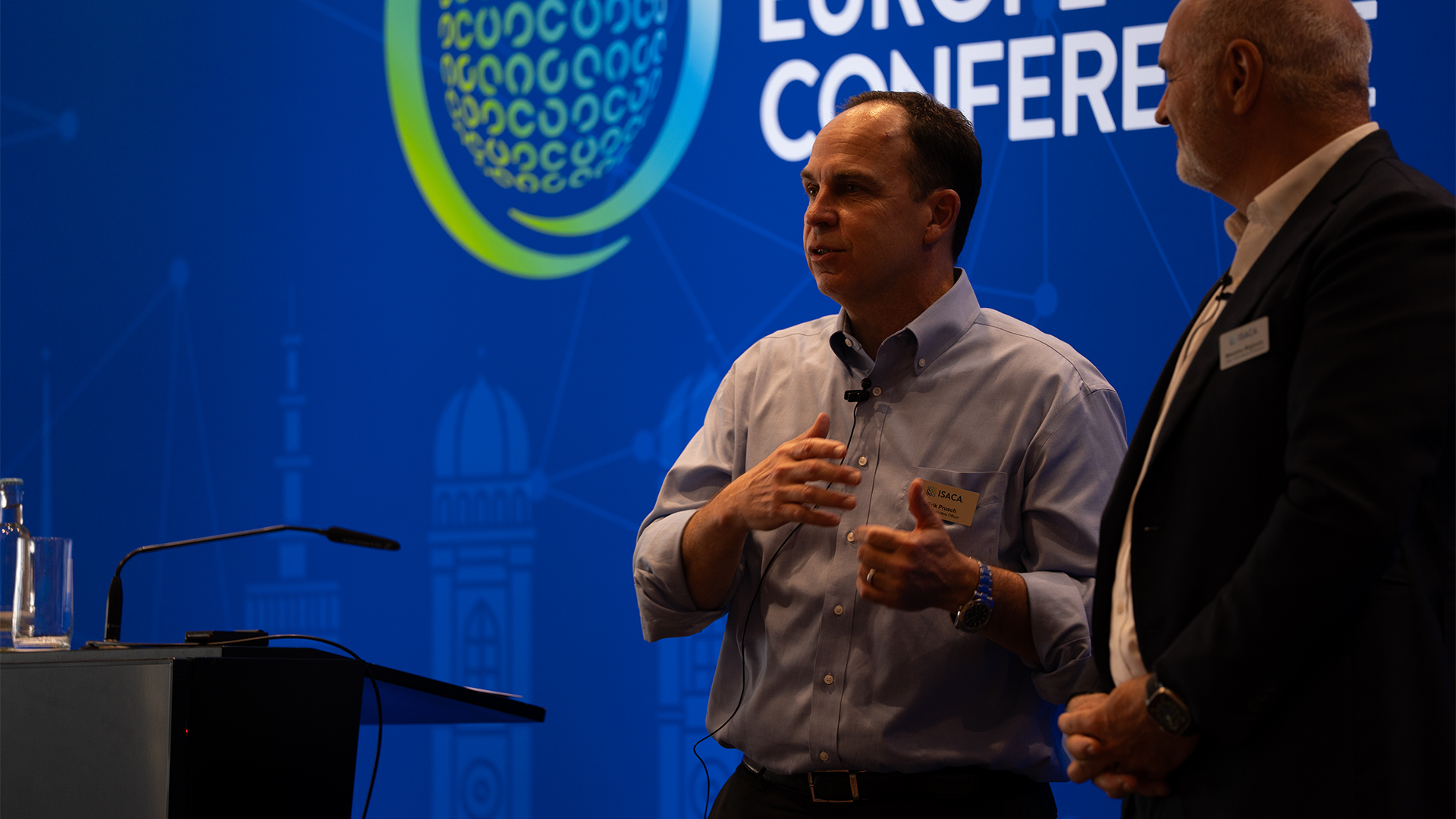 Inside ISACA’s race to help its members stay current
In-depth At the association’s recent European conference, it was clear that security and governance professionals are having to move faster than ever just to keep up
-
 Former GitHub CEO Thomas Dohmke’s startup just unveiled a GitHub alternative
News The new platform from Entire offers the staple features found in GitHub, but with an agentic AI twist


-
 Microsoft wants to tackle the biggest issue for UK AI adoption: confidence
News UK and Ireland CEO Darren Hardman says it's our responsibility to get AI into every corner of the UK
-
 Huawei is positioning itself as a viable alternative to big US tech companies. Can it pull it off?
Opinion With Nvidia and AMD excluded from the Chinese AI market, Huawei is building a powerful reputation at home and abroad
-
 ‘No government or enterprise should have to choose between capable AI and control over their technology’: Cohere CEO Aidan Gomez shares new details on Aleph Alpha merger
News The companies say the deal, expected to complete this year, will create the first transatlantic sovereign AI firm
-
 Most business leaders aren't completely sure what 'sovereign AI' means – but they’re starting to understand its importance
News A new study finds that few organizations fully understand the concept of sovereign AI, and many are making AI investment decisions without sufficient context
-
 “Enterprises are becoming much more rigorous about the economics of AI”: Snowflake wants to help you cut AI costs by choosing the right model for the right task
News New dynamic model routing capabilities aim to help customers box clever when it comes to their AI model choice
-
 Microsoft has joined the growing list of companies cracking down on ‘tokenmaxxing’
News The company is updating internal guidance to reduce rising costs
-
 ‘AI cost management has the same problems that cloud had’: Enterprises are still facing huge AI bills thanks to ‘tokenmaxxing’ – that means FinOps practices are more important than ever
News With firms facing surging AI bills, FinOps techniques are more important than ever
-
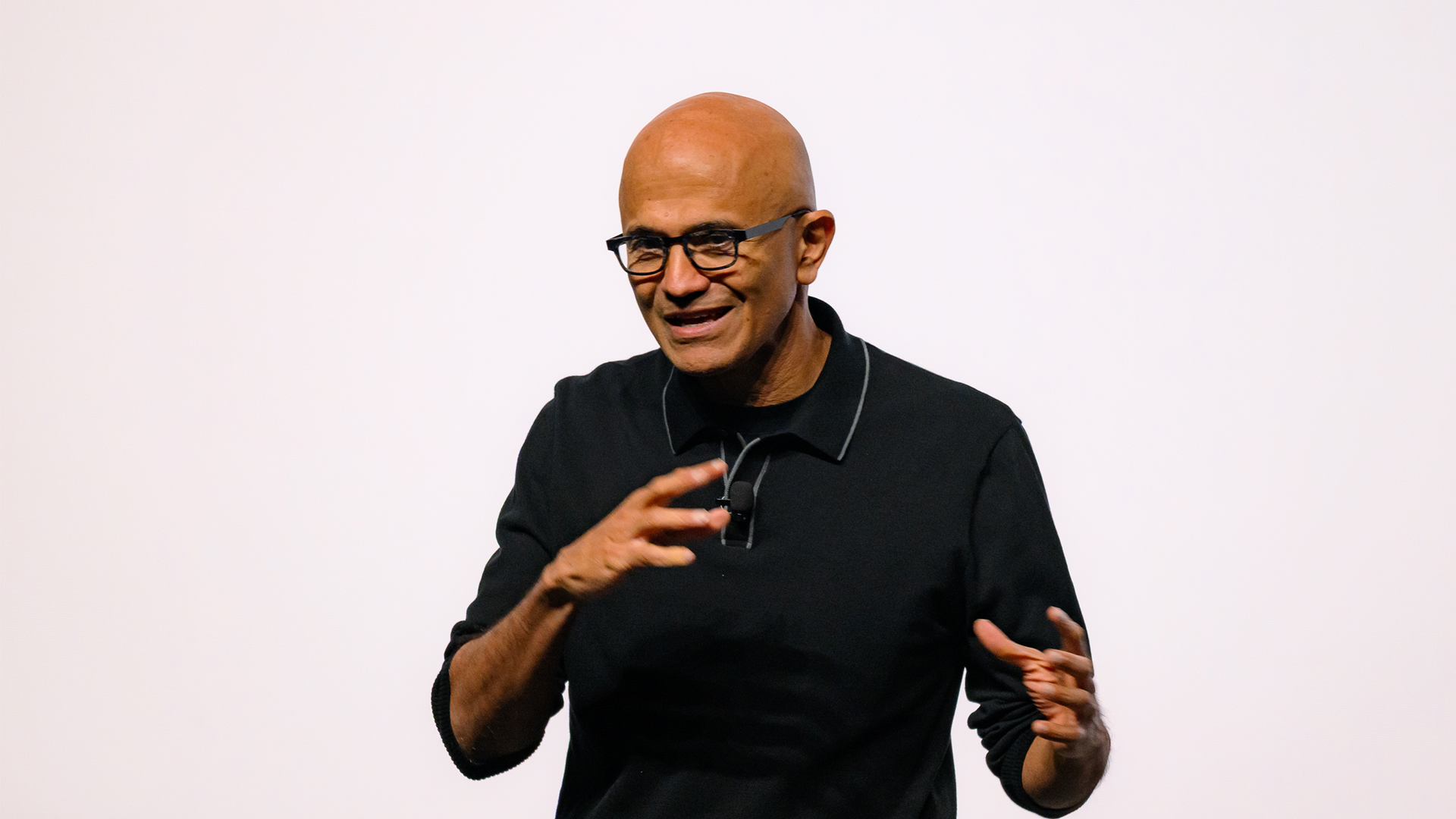 ‘We are now seeing MAI models outperform general-purpose frontier models’: Microsoft CEO Satya Nadella touts in-house models to cut spiralling AI costs – and reduce growing reliance on frontier labs
News The Microsoft chief says pricey frontier models don't have to be used for every task, and its own in-house MAI models could be the key to reducing costs.


