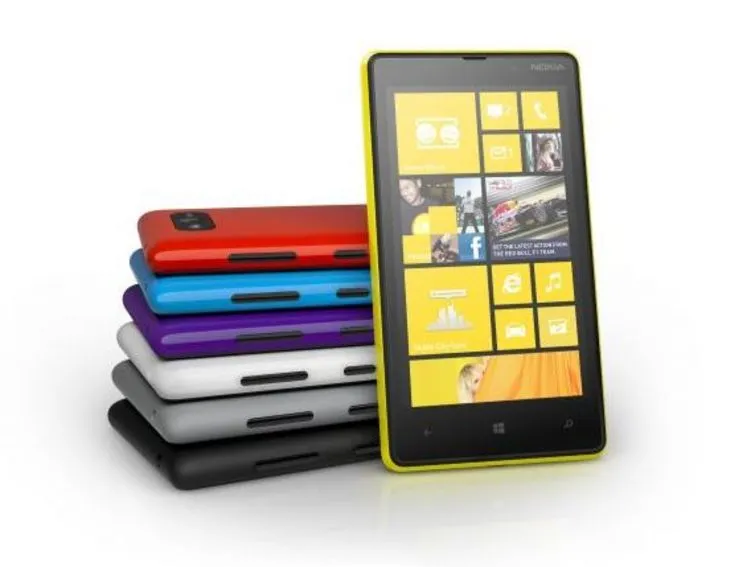
Zeus targets Windows and Symbian phones
Both Symbian and Nokia platforms are targeted by some new Zeus variants.
Two variants of the infamous Zeus malware have been targeting Windows and Symbian mobile operating systems - now Nokia's two main platforms.
The Trojans were used in attacks in Poland, targeting customers of ING Bank, Polish security consultant and blogger Piotr Konieczny reported.
Both versions attempted to steal data from victims' smartphones and resemble older variants of the malware.
Targets were asked to enter their mobile phone number and smartphone model for a purported certificate update'.
A component was then installed on victims' smartphones, which intercepted text messages and relayed them to another mobile number.
Both Zeus variants reported back to a British command and control mobile phone number once they successfully infiltrated a device.
"If users would have downloaded and installed this malicious file, their incoming SMS messages (with mTAN authentication codes also) would have been resent silently to a predefined cell phone number," explained Denis Maslennikov, a malware researcher at Kaspersky Lab.
Sign up today and you will receive a free copy of our Future Focus 2026 report - the leading resource for IT decision-maker insight on priorities and investment areas in AI, security and more.
He said the Trojans show how cyber criminals continue to target new platforms and remain determined in their attempts to acquire user data from an array of devices.
Benjamin Boulnois, manager of DigitalPersona for Europe, the Middle East and Africa (EMEA), said mobile devices need better security software to keep up with new threats.
"There's clearly an urgent need for stronger software on mobile devices that can not only recognise Trojans themselves, but can also prevent users from unwittingly accessing fraudulent bank websites, which is often how devices become infected," Boulnois said.
"What's more, security software must be able to detect any anomalies in how accounts are being accessed - for example if someone is logging in from a different device or location, or at different times, compared to normal."
Foreign Secretary William Hague recently revealed the UK Government had been targeted by a Zeus Trojan.
Tom Brewster is currently an associate editor at Forbes and an award-winning journalist who covers cyber security, surveillance, and privacy. Starting his career at ITPro as a staff writer and working up to a senior staff writer role, Tom has been covering the tech industry for more than ten years and is considered one of the leading journalists in his specialism.
He is a proud alum of the University of Sheffield where he secured an undergraduate degree in English Literature before undertaking a certification from General Assembly in web development.
-
UK tech leaders are implementing AI faster than related governanceNews IBM research shows that chief AI officers are being given strategy roles, but not full control
-

11:11 Systems appoints new EVP in EMEA growth driveNews The experienced executive will oversee the provider’s operations and strategic execution across the region as it targets further growth
-

Best business smartphones: The top handsets from Apple, Samsung, Google and moreBest The best business smartphones on the market today packed with work-focused features you need
-
Best Windows Phone apps for 2018Best We list the important Windows Phone apps to help you choose what to download
-

Bill Gates: I've switched to AndroidNews Microsoft co-founder ditches Windows Phone
-
RIP Windows Phone: Microsoft ends support for its dying OSNews Windows Phone 8.1's support finished yesterday - will Windows 10 Mobile last much longer?
-
Facebook messenger not working? Your phone might be too oldNews Certain smartphone users will no longer be able to access their Facebook messages
-
Microsoft patents a foldable Surface phoneNews Will Microsoft build a Surface flip phone?
-

Microsoft axes nearly 3,000 staff from smartphone divisionNews Total number of job cuts, across smartphone hardware and sales, in 2016 climbs to 4,700
-
Microsoft's results show Windows Phone really is deadNews Overall, Microsoft income slumps to $20 billion despite cloud gains