Nokia ditches open source for Symbian
The Finnish manufacturer closes off the struggling mobile OS but claims it is still ‘open for business.’
Nokia claimed Symbian is no longer an open source platform, in a surprising blog post from the firm this week.
Entitled not open source, just open for business,' the statement said Symbian was being delivered in a different way, giving access to Japanese OEMs and the "relatively small community" of developers already working with the operating system. However, the source code would be kept locked away from anyone else.
"Through these pages we are releasing source code to these collaborators, but are not maintaining Symbian as an open source development project," the blog read.
Nokia said it was working through a backlog of applications to register as a licensee for the code but it is "processing continuously."
The blog has received a number of responses from disappointed Symbian fans, including one taking the ultimate dig at the company saying: "Now I like Android more."
A post from an anonymous user added: "I was excited about Symbian going open source. It had a name of a good pedigree and such. I even bought a Symbian phone in hopes of being able to roll my own OS image and tinkering with it."
"Now you're playing the wooly words game again. Semantics shemantics. Your "open" is a lie. You aren't an enabler. You can't be trusted to keep your own promises. You aren't even an innovator any longer."
Sign up today and you will receive a free copy of our Future Focus 2026 report - the leading resource for IT decision-maker insight on priorities and investment areas in AI, security and more.
This is the latest knock back from Nokia for the Symbian platform in a relatively short space of time.
Back in February, the manufacturer announced it would be putting the mobile OS on the backburner and making Microsoft's Windows Phone 7 its primary platform.
Stephen Elop, chief executive of Nokia and previous corporate bigwig at Microsoft, said Symbian would become a "franchise platform" and the company still hoped to sell 150 million devices based on the OS in the coming years.
Jennifer Scott is a former freelance journalist and currently political reporter for Sky News. She has a varied writing history, having started her career at Dennis Publishing, working in various roles across its business technology titles, including ITPro. Jennifer has specialised in a number of areas over the years and has produced a wealth of content for ITPro, focusing largely on data storage, networking, cloud computing, and telecommunications.
Most recently Jennifer has turned her skills to the political sphere and broadcast journalism, where she has worked for the BBC as a political reporter, before moving to Sky News.
-
Nokia and Google score breakthrough in Android 13 network slicingNews Nokia's solution will allow devices to connect to multiple network slices simultaneously, provided by existing 4G and 5G operators
-

The IT Pro Products of the Year 2021: The year’s best hardware and softwareBest Our pick of the best products from the past 12 months
-
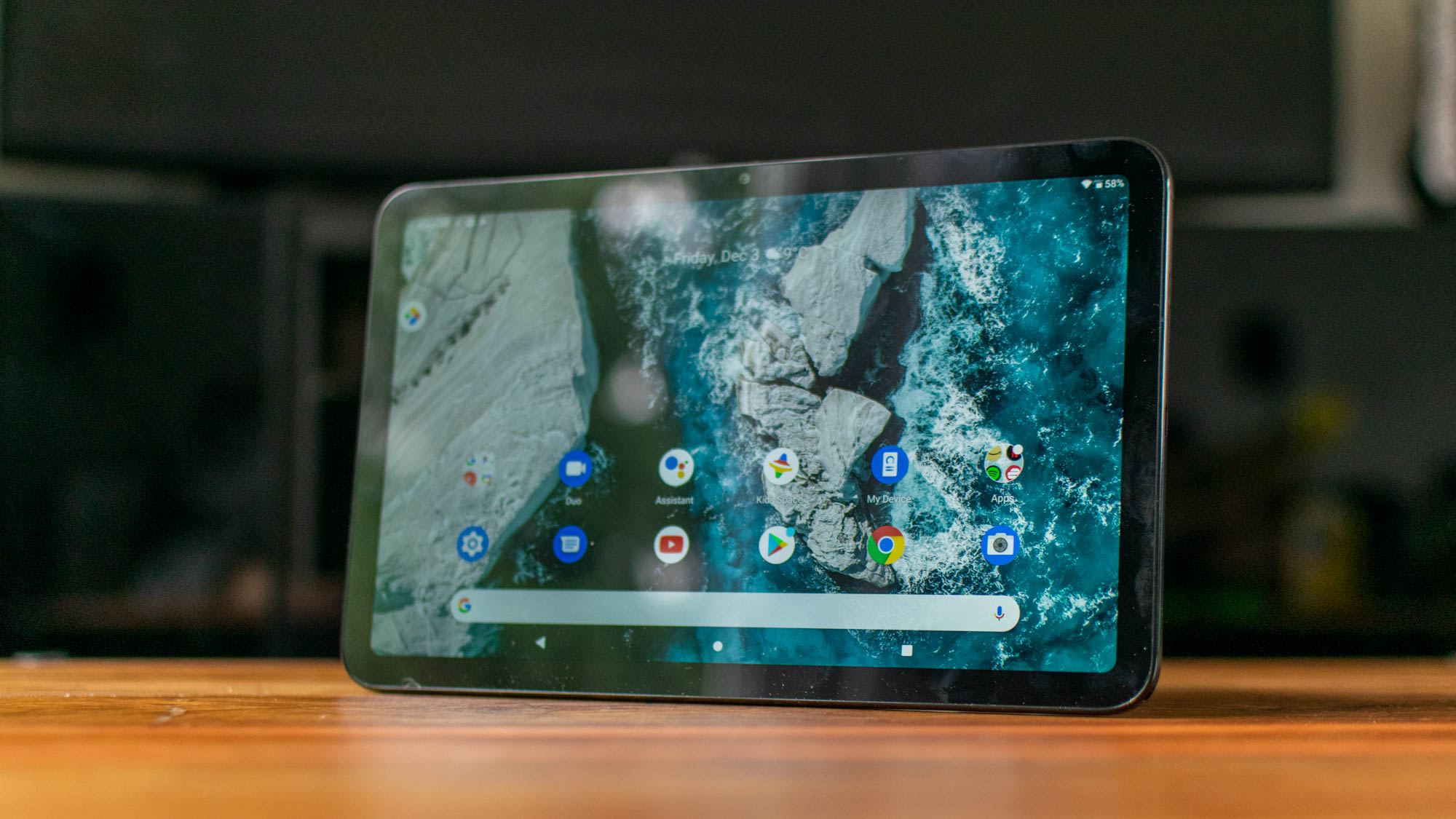
Nokia T20 review: A simple, sturdy Android tablet at an SMB-friendly priceReviews It’s not as luxurious as an iPad, but the T20 makes a fine, functional tablet for business
-
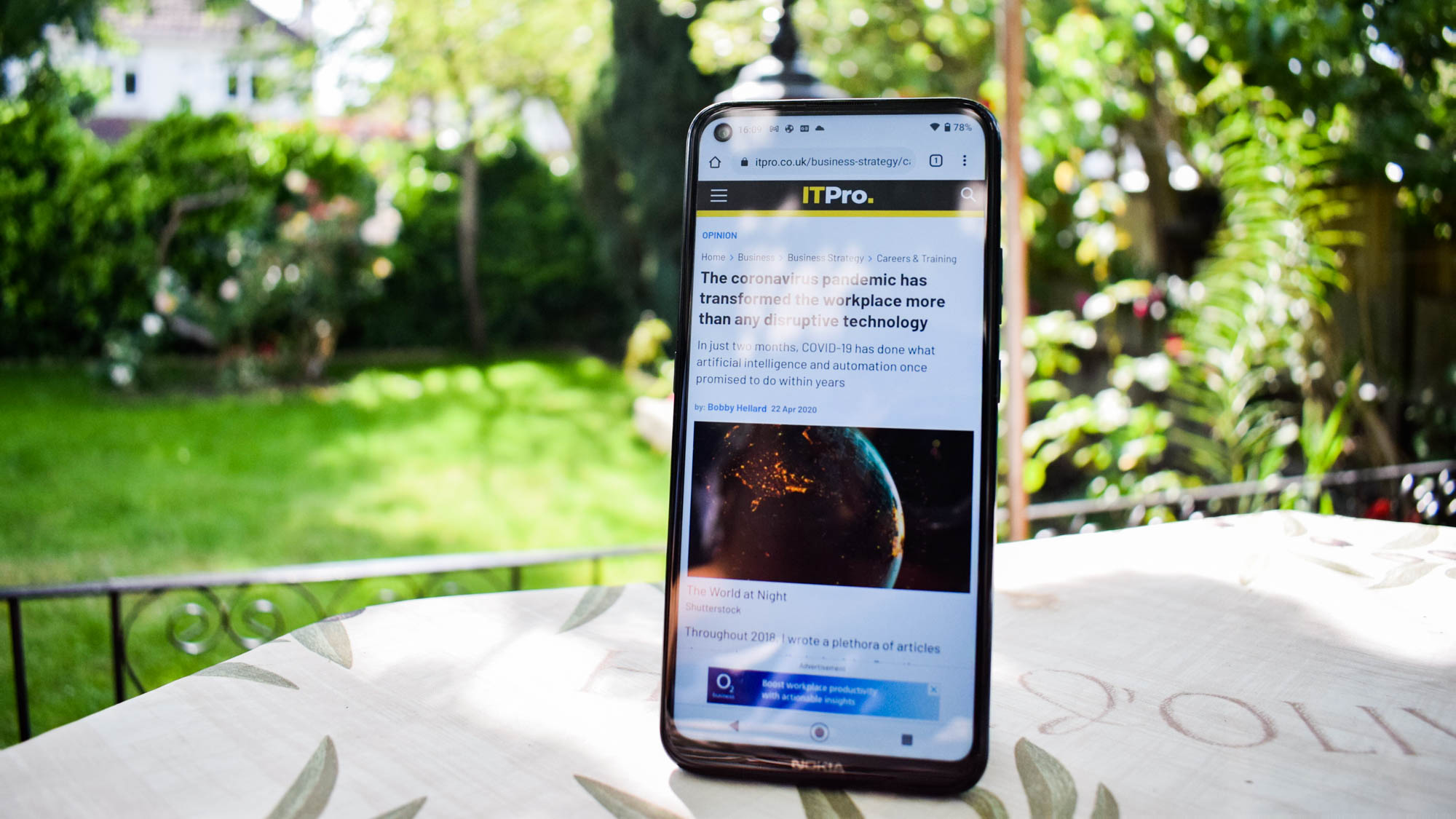
Nokia 5.4 review: Behind the curveReviews This cut-price Android handset looks great, but doesn’t do enough to convince
-
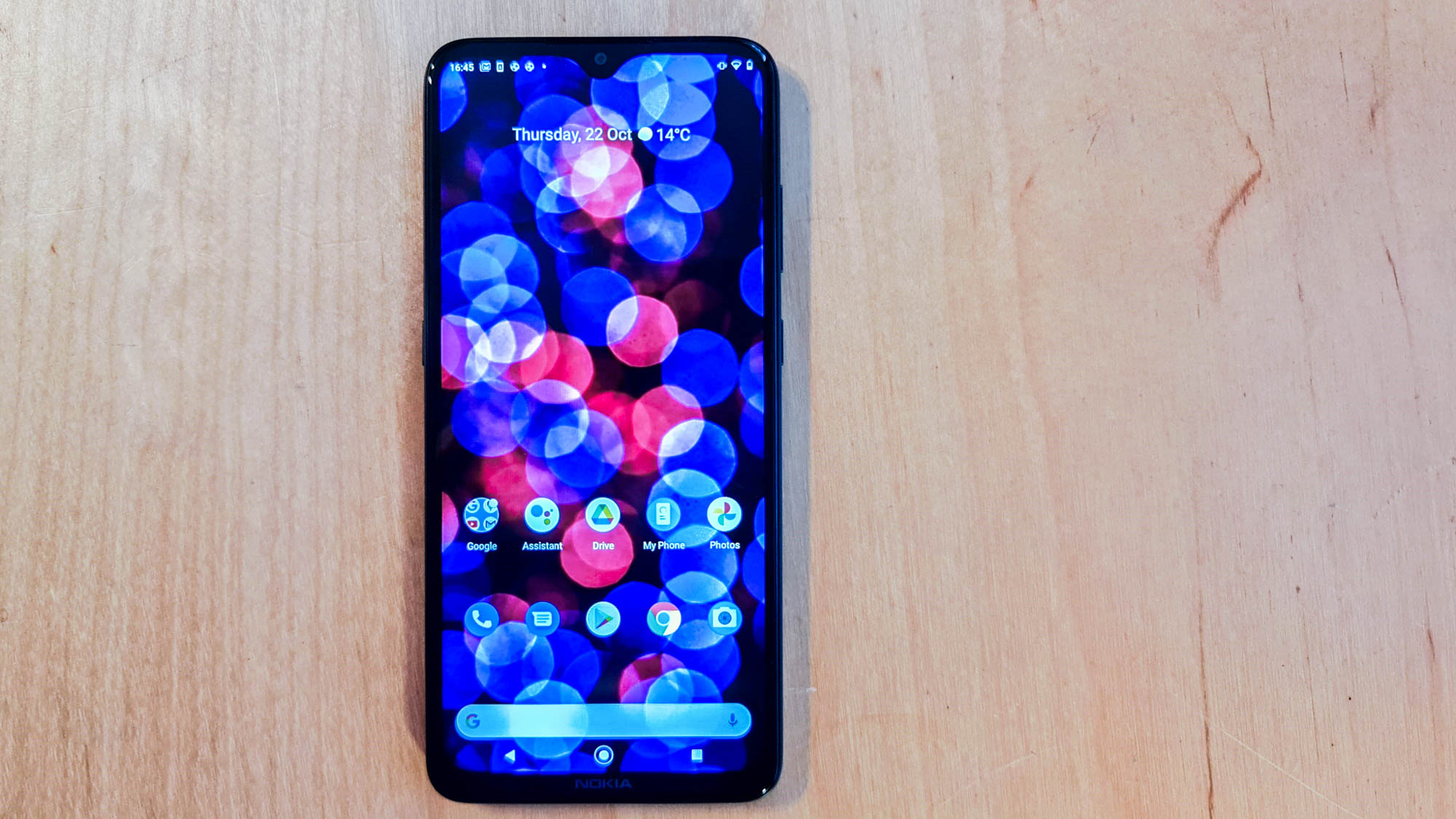
Nokia 5.3 review: A surprise packageReviews Despite plenty of compromises, this bargain bucket handset punches well above its weight
-
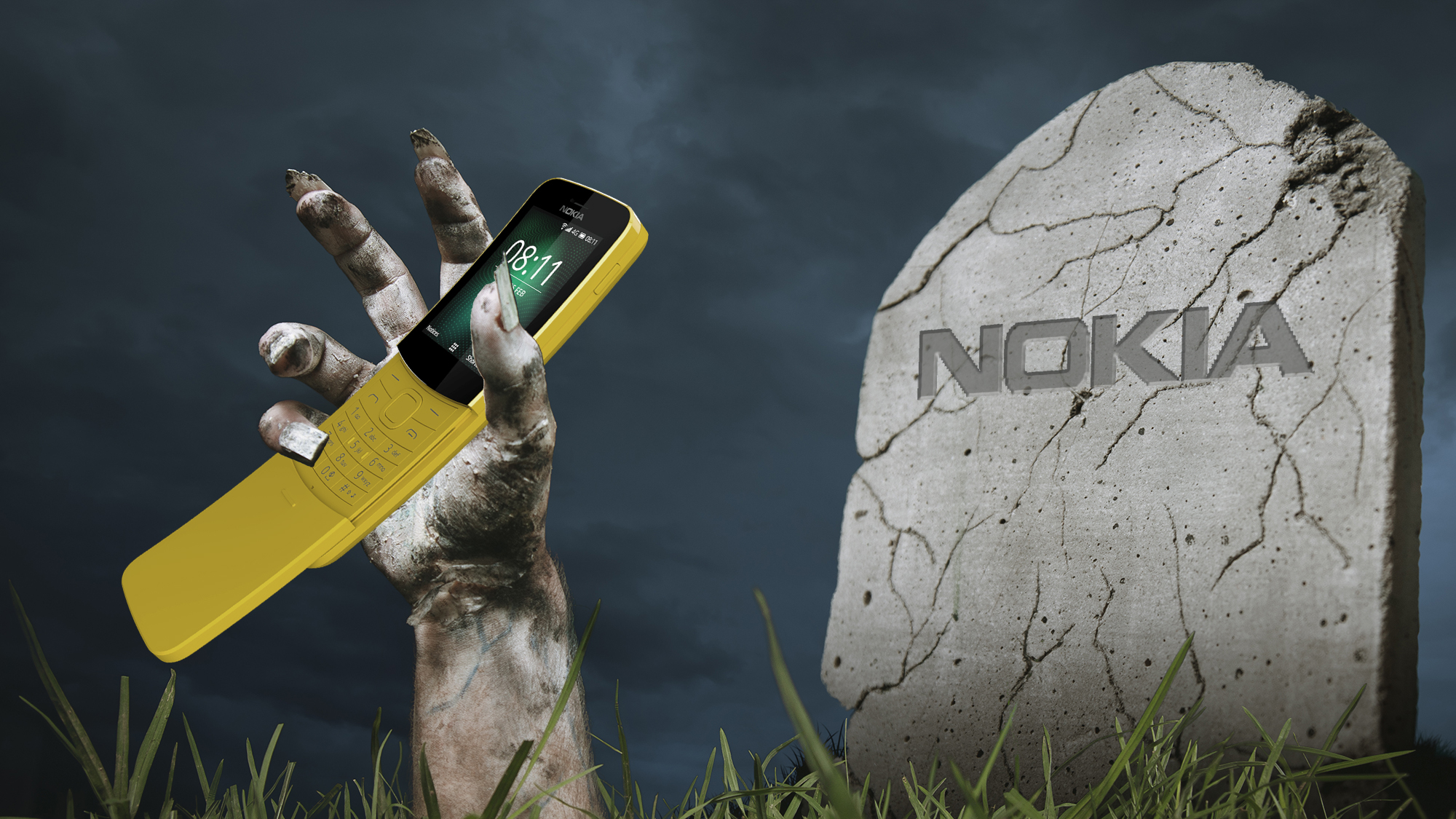
Revealed: Nokia's plan to retake the enterpriseIn-depth Nokia's back from the dead, and it means business
-
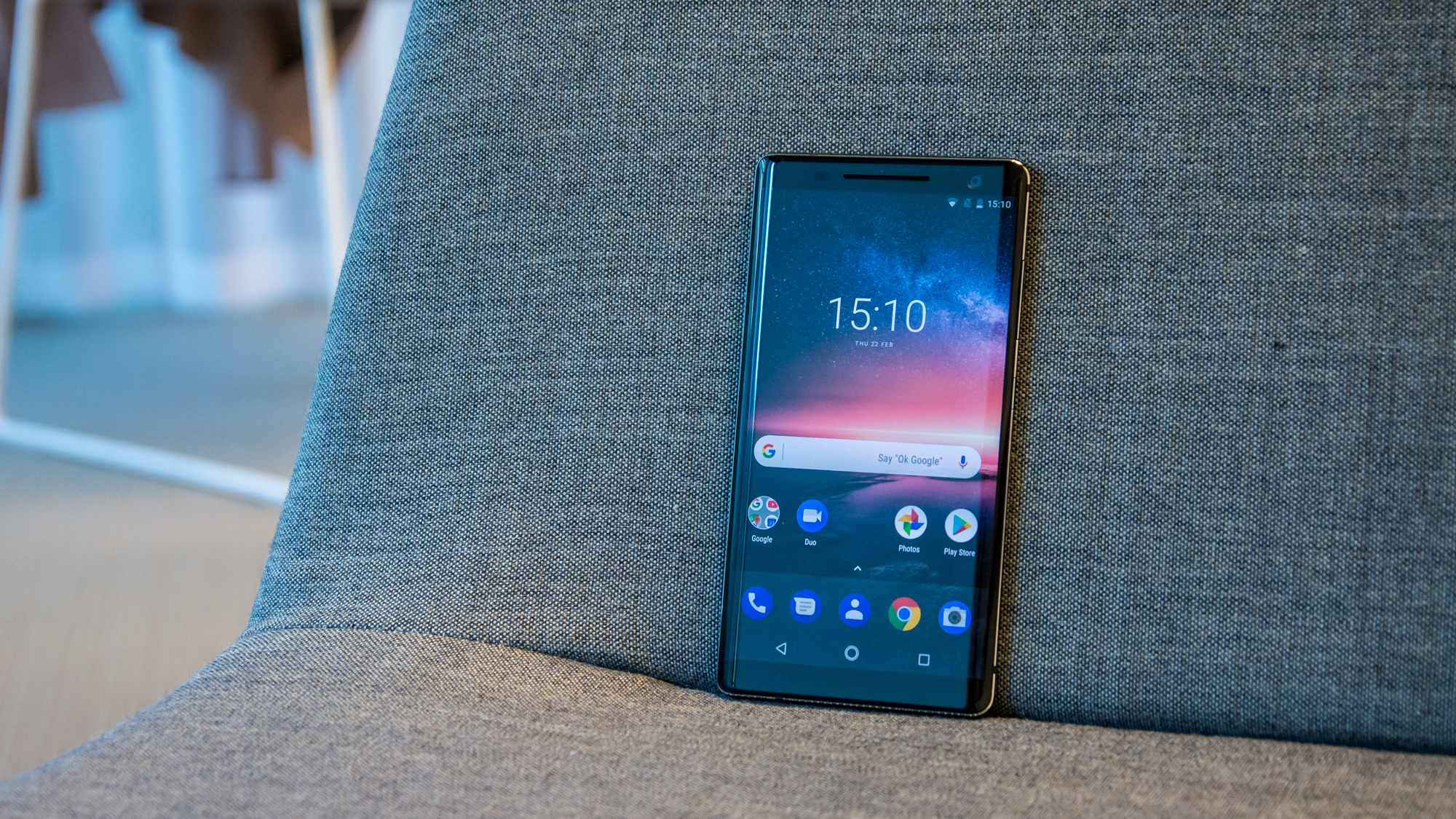
Nokia 8 Sirocco hands-on: Elegant, if outclassedFirst look Nokia has launched its latest flagship at MWC, but can it hold its own against the Galaxy S8?
-
Bill Gates: I've switched to AndroidNews Microsoft co-founder ditches Windows Phone