Record computing degree applications driven by AI interest, says BCS
The institute suggested students are attracted to computer sciences by innovative areas, which also include machine learning and the fight against climate change


The British Computer Society has revealed that interest in computing degrees is growing at a greater rate than any other university course, and has credited this rise to the popularity of AI and data science.
92,980 18-year-olds applied to start computing degrees this year in the UK, a 9.6% rise and demonstration of the sector’s continued appeal.
BCS identified leading-edge technologies such as artificial intelligence and data analytics as an especially attractive element that the sector can offer to prospective students.
“Young people are seeing and using real-world generative AI tools, like Dall-E for pictures, so it’s no surprise that career aspirations and education and skills choices lead them this way,” a spokesperson from BCS told IT Pro.
Although the 9.6% rise is more than the Universities and Colleges Admissions Service (UCAS) measured in other courses, it is a smaller increase for the subject than in previous years. In February 2022, BCS reported a 13% rise in applications.
This is likely a reflection of the smaller overall number of applicants this year. 597,000 students applied by UCAS’ January deadline as compared to 611,000 in 2022.
Amidst the broadening of disciplines within computing, there has also been a narrowing of the gender gap. The number of women applying for computing degrees rose 18% in 2022, a larger shift in gender makeup than seen in other degrees.
Despite this positive shift for gender diversity at a degree level, men applying for these courses still outnumber women 3.8 to 1, a slight reduction from the 4.2 to 1 ratio recorded in 2022.
“Young people – and an increasing proportion of young women – see that a computing degree is a passport to change the world,” said Julia Adamson, MD for education and public benefit at BCS.
“AI and machine learning are transforming how kids complete homework and how job applicants write the covering letters. It’s no wonder so many people see their futures in technology. The more diverse range of people we have working in computing the fairer and more inclusive the results will be for all of us.”
BCS also identified the use of data science and tech like AI and machine learning in the fight against climate change as another draw for young applicants.

This aligns with new insights into the need for Gen-Z staff to be given clear purpose in their roles through schemes such as those focused on sustainability.
The UK government recorded a near 50% rise in the number of students accepted to computer science courses between 2011 and 2020, and noted that STEM graduates are more likely to snag a higher starting wage in their first post-university job.
High wages could also drive students toward the computer sciences, and BCS listed the “range of career options” available to computing graduates as a deciding factor.
Salaries in roles such as software engineering top $1m in Silicon Valley, and the highest-paying tech jobs often go to those with an academic background in the sector.
In 2022, computer science became the UK’s fastest-growing degree subject, and in the three years up to the data being published the number of students taking computing at A-level had risen 41%.
More UK computing graduates are needed to fill skills gaps across the sector, with a recent Gartner report revealing that one in four UK businesses is hiring overseas to tackle the talent shortage.
The UK continues to lag behind most of Europe when it comes to tech skills, and some in the sector have called for more investment in domestic tech literacy to bring the dearth to an end.
With coding bootcamps touted as an alternative to degrees, not all those learning programming in the sector do so at university.
Stack Overflow’s 2022 Developer Survey noted that while 62% of respondents were more likely to have learned to code from traditional education, 71% cited online sources such as video tutorials, blogs, and forums as better resources for learning.
Also shown in the report was the large number of young people learning to code, with 56% of respondents learning to do so being aged 18-24 and 18% being under 18.


-
 Amazon targets agent safety gains with investment in team behind Lean programming language
News The tech giant hopes support for the open source programming language could drive AI agent safety improvements
-
 ‘The challenge now is making sure the next generation develops those same foundations before relying too heavily on AI’: Devs are swerving fundamental skills like Git and Agile because of AI – but there’s a good reason
News O'Reilly has recorded a massive fall in programming fundamentals courses, but that’s not to suggest devs aren’t learning key skills
-
 ‘The biggest barrier to growth is not access to technology, it is access to the right people’: Demand for developers with AI skills has surged 597% – but enterprises are still struggling to find the right talent
News Hiring is shifting away from traditional software development toward specialized roles to integrate, govern, and scale AI systems
-
AI might help speed up software development, but 81% of devs now spend more time reviewing code – and it’s creating an ‘invisible work’ trend that’s pushing teams to the limit
News While AI is improving productivity and efficiency, many developers are caught up in a vicious cycle of code reviews and bug hunting
-
 Anthropic says Claude Code can help streamline 'cost-prohibitive' COBOL modernization, but IBM says it's not that simple – 'decades of hardware-software integration cannot be replicated by moving code'
News Research from Anthropic claims Claude Code can simplify modernization of COBOL systems
-
 AWS says ‘frontier agents’ are here – and they’re going to transform software development
News A new class of AI agents promises days of autonomous work and added safety checks
-
 Google CEO Sundar Pichai thinks software development is 'exciting again' thanks to vibe coding — but developers might disagree
News Google CEO Sundar Pichai claims software development has become “exciting again” since the rise of vibe coding, but some devs are still on the fence about using AI to code.
-
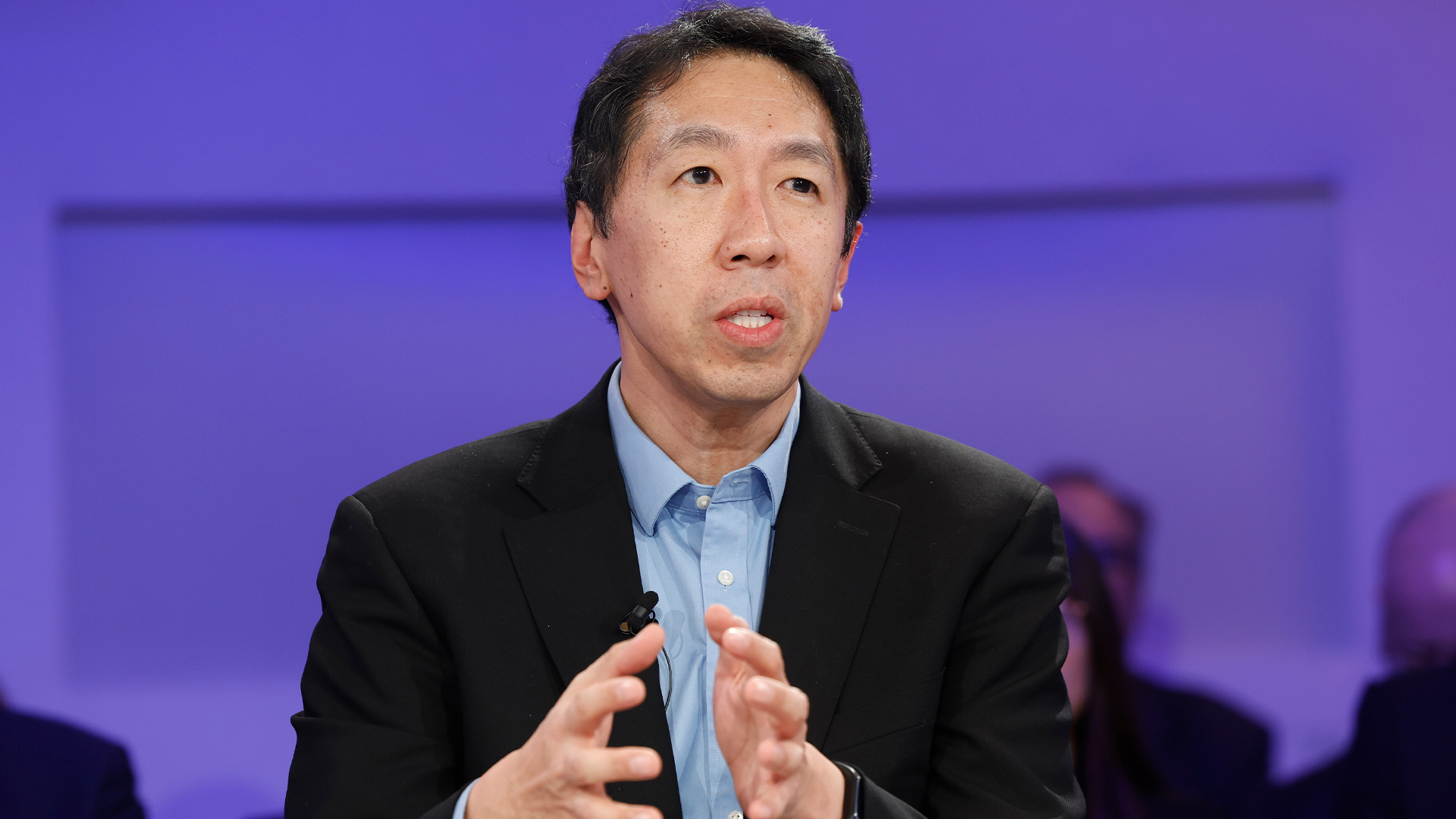 Google Brain founder Andrew Ng thinks everyone should learn programming with ‘vibe coding’ tools – industry experts say that’s probably a bad idea
News Vibe coding might help lower the barrier to entry for non-technical individuals, but users risk skipping vital learning curves, experts warn.


