Samsung debuts 'industry-first' AI-powered memory
This architecture combines high-bandwidth memory with AI processing power to boost performance and lower power consumption


Samsung has developed a computing architecture that combines memory with artificial intelligence (AI) processing power to double the performance of data centres and high-performance computing (HPC) tasks while reducing power consumption.
Branded an 'industry first', this processor-in-memory (PIM) architecture brings AI computing capabilities to systems normally powered by high-bandwidth memory (HBM), such as data centres and supercomputers. HBM is an existing technology developed by companies including AMD and SK Hynix.
The result, according to Samsung, is twice the performance in high-powered systems, and a reduction in power consumption by more than 70%. This is driven largely by the fact the memory and processor components are integrated and no longer separated, vastly reducing the latency in the data transferred between them.
“Our groundbreaking HBM-PIM is the industry’s first programmable PIM solution tailored for diverse AI-driven workloads such as HPC, training and inference,” said Samsungs vice president of memory product planning, Kwangil Park.
“We plan to build upon this breakthrough by further collaborating with AI solution providers for even more advanced PIM-powered applications.”

The trusted data centre
Best practices and business results for organisations based in Europe
Most computing systems today are based on an architecture which uses separate memory and processor units to carry out data processing tasks, known as von Neumann architecture.
This approach requires data to move back and forth on a constant basis between the two components, which can result in a bottleneck when handling ever-increasing volumes of data, slowing system performance.
HBM-PIM, developed by Samsung, places a DRAM-optimised AI engine within each memory bank, enabling parallel processing and minimising the movement of data.
“I’m delighted to see that Samsung is addressing the memory bandwidth/power challenges for HPC and AI computing,” said Argonne’s associate laboratory director for computing, environment and life sciences, Rick Stevens. Argonne National Laboratory is a US Department of Energy research centre.
“HBM-PIM design has demonstrated impressive performance and power gains on important classes of AI applications, so we look forward to working together to evaluate its performance on additional problems of interest to Argonne National Laboratory.”
Samsung’s innovation is being tested inside AI accelerators by third-parties in the AI sector, with work expected to be completed within the first half of 2021. Early tests with Samsung’s HBM2 Aquabolt memory system demonstrated the performance improvements and power consumption reduction cited previously.

-
 UK tech leaders are implementing AI faster than related governance
News IBM research shows that chief AI officers are being given strategy roles, but not full control
-
 11:11 Systems appoints new EVP in EMEA growth drive
News The experienced executive will oversee the provider’s operations and strategic execution across the region as it targets further growth


-
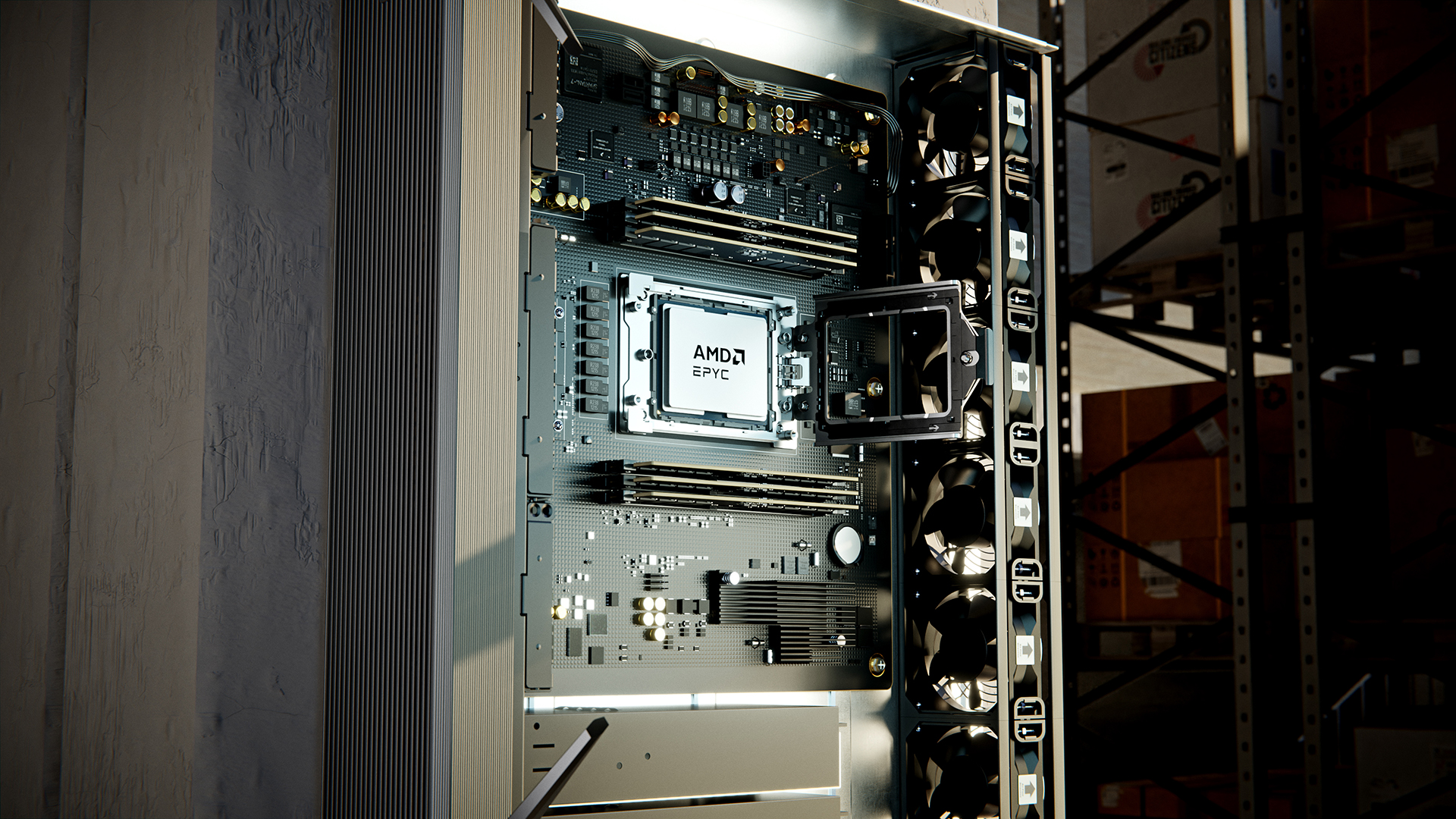 How AMD EPYC CPUs and AMD Instinct GPUs are powering the world's HPC facilities
Sponsored AMD offers powerful chipsets for AI and traditional HPC workloads, including native FP64 support
-
 AWS pledges $50 billion to expand AI and HPC infrastructure for US government clients
News The company said an extra 1.3 gigawatts of compute capacity will help government agencies advance America’s AI leadership
-
 US Department of Energy’s supercomputer shopping spree continues with Solstice and Equinox
News The new supercomputers will use Oracle and Nvidia hardware and reside at Argonne National Laboratory
-
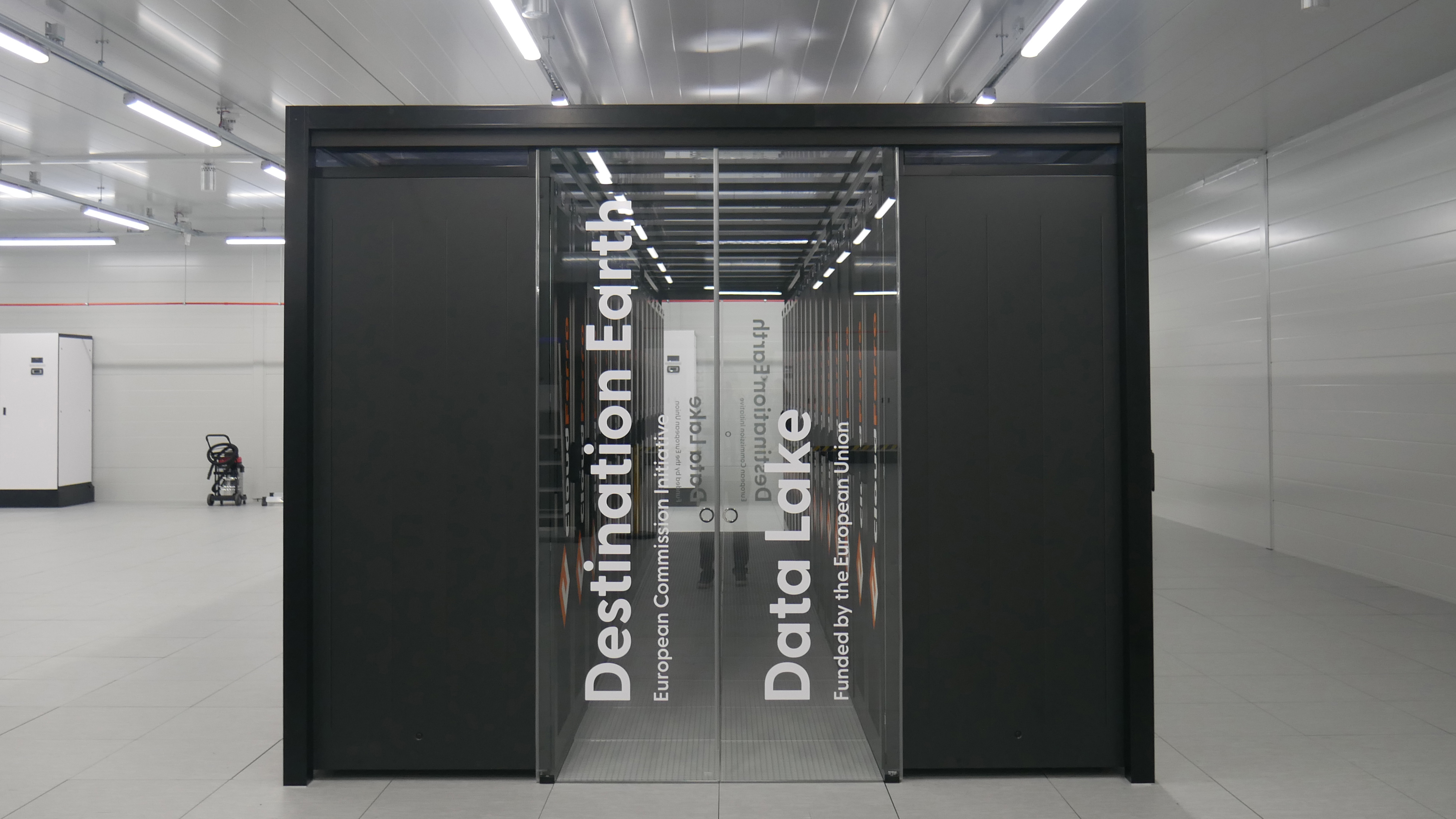 Destination Earth: The digital twin helping to predict – and prevent – climate change
Supported How the European Commission is hoping to fight back against climate change with a perfect digital twin of our planet, powered by Finland's monstrous LUMI supercomputer
-
Supercomputing in the real world
Supported From identifying diseases more accurately to simulating climate change and nuclear arsenals, supercomputers are pushing the boundaries of what we thought possible
-
 What is exascale computing? Exploring the next step in supercomputers
Supported 60 years after the birth of the first supercomputers, we are entering a new era
-
 Help skilled workers succeed with Dell Latitude 7030 and 7230 Rugged Extreme tablets
whitepaper Help skilled workers succeed with Dell Latitude 7030 and 7230 Rugged Extreme tablets
-
 Empowering enterprises with AI: Entering the era of choice
whitepaper How High Performance Computing (HPC) is making great ideas greater, bringing out their boundless potential, and driving innovation forward


