

A high-profile senator is launching an effort to hold social media companies like Facebook accountable for publishing misinformation about vaccines and other public health crises.
Sen. Amy Klobuchar (D-Minn.) introduced a bill called the Health Misinformation Act, which would carve out an exception to the landmark internet law known as Section 230 of the 1996 Communications Decency Act. Section 230 shields social media giants like Facebook, Google, and Twitter from being sued over users’ content.
Klobuchar’s bill, which is co-sponsored by Sen. Ray Luján (D-N.M.), would create an exception to that law’s protections in the case of a public health crisis like COVID-19.
“For far too long, online platforms have not done enough to protect the health of Americans,” Klobuchar said in a statement. “These are some of the biggest, richest companies in the world and they must do more to prevent the spread of deadly vaccine misinformation.”
“The coronavirus pandemic has shown us how lethal misinformation can be and it is our responsibility to take action,” added Klobuchar, who chairs the influential Senate Judiciary subcommittee that oversees antitrust legislation.
According to Politico and Vox, the Health Misinformation Act may face long odds, partly because it currently has no Republican support.

Mindfulness: How to unlock your true potential
Sample our exclusive Business Briefing content
Klobuchar’s bill would hold Facebook and other social media platforms liable when their algorithms spread and amplify health misinformation related to an “existing public health emergency” such as COVID. The US Secretary of Health and Human Services would define what constitutes “health misinformation” in such an emergency.
Section 230 has become an increasingly popular target in Washington, D.C., where president Donald Trump tried to kill it outright, president Joe Biden wants to rewrite it, Congress keeps threatening to repeal it, and big tech CEOs keep showing up to defend it.
When it became law 25 years ago, Facebook, Twitter, and YouTube didn’t exist. As written, Section 230 prevents an “interactive computer service” from being treated as the publisher of third-party content. Essentially, it says websites can’t be held legally liable for any content that’s posted by third parties — with a few exceptions such as sex trafficking or copyright violations.
Over the past quarter-century, this has been interpreted as a handy get-out clause for social media companies, as it prevents them from being held responsible for anything their users post.
-
 Boards are worried about data leak mishaps, but unwilling to invest in cyber training
News Report shows leaders are putting spending behind cloud and AI while neglecting security training
-
 The rack is the unit of compute
How GIGABYTE’s GIGAPOD NVIDIA Vera Rubin NVL72 turns 240 kilowatts (kW) of liquid-cooled infrastructure into a turnkey blueprint for agentic AI


-
 Why the US imposed export controls on Anthropic’s Fable and Mythos models – and why they’ve been lifted
News Anthropic tightens up safeguards and offers expanded early access to US government to end export control issues
-
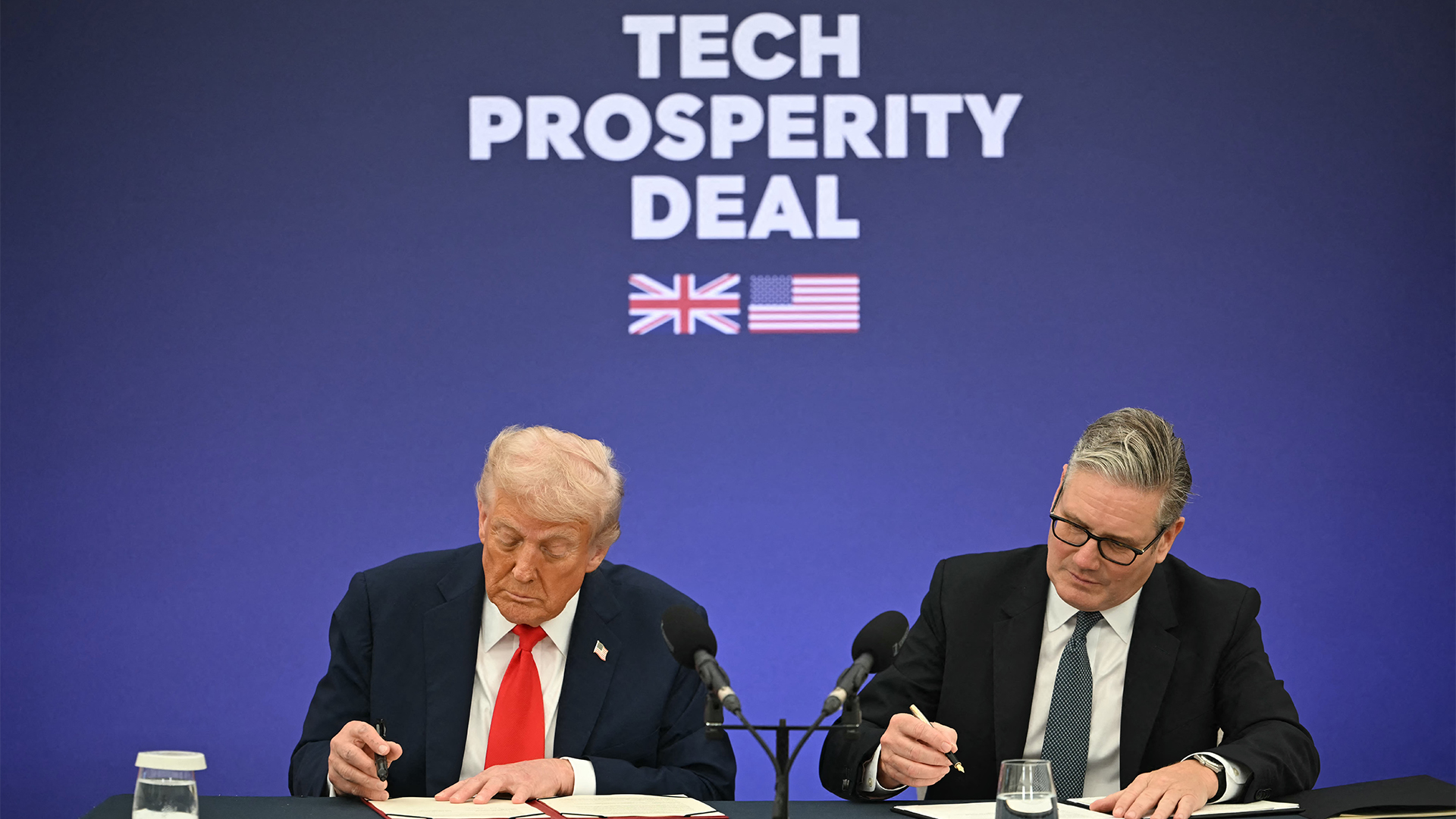 UK’s ‘Tech Prosperity Deal' with US hits rocky ground
News The US has reportedly threatened to pull out of the deal over the Digital Services Tax and broader economic disagreements
-
 ‘The UK must position itself as the destination of choice’ in wake of H-1B visa crackdown, tech policy group says
News The UK has a massive opportunity to capitalize on the US government’s H-1B visa changes
-
 The US government's Intel deal explained
News The US government has taken a 10% stake in Intel – but what exactly does the deal mean for the ailing chipmaker?
-
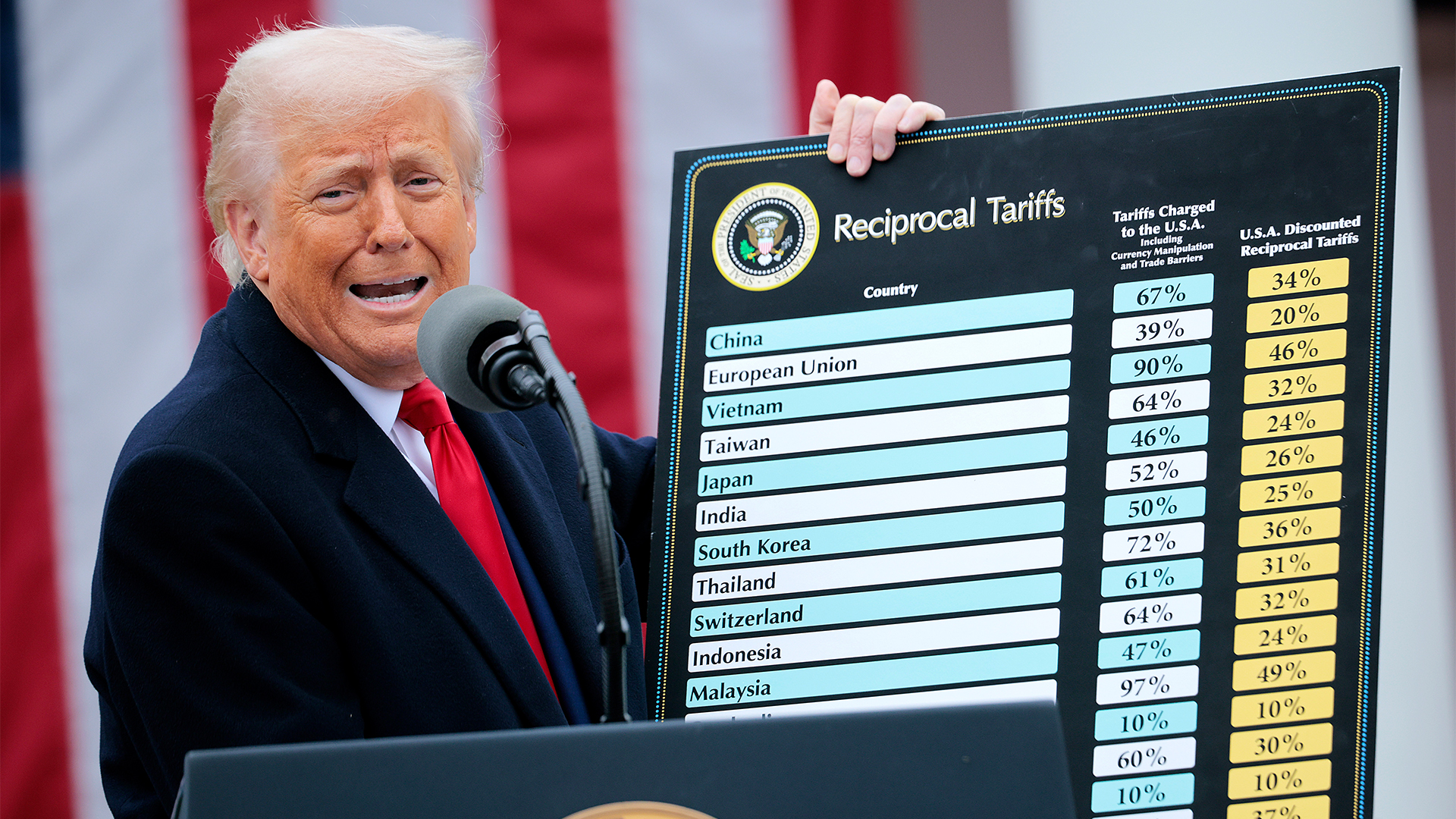 IDC warns US tariffs will impact tech sector spending
News IDC has warned that the US government's sweeping tariffs could cut global IT spending in half over the next six months.
-
 US government urged to overhaul outdated technology
News A review from the US Government Accountability Office (GAO) has found legacy technology and outdated IT systems are negatively impacting efficiency.
-
 Healthcare data breaches are out of control – here's how the US plans to beef up security standards
News Changes to HIPAA security rules will require organizations to implement MFA, network segmentation, and more
-
 The US could be set to ban TP-Link routers
News US authorities could be lining up the largest equipment proscription since the 2019 ban on Huawei networking infrastructure


