Google rolls out patch for high-severity Chrome browser zero day
It's the eighth time this year Google has been forced to address a zero-day vulnerability in its world-leading browser


Google has patched a zero-day vulnerability in its Chrome browser, the eighth of its kind this year.
The vulnerability was caused by a “heap buffer overflow in GPU”, Google said. Such vulnerabilities can allow attackers to modify the data stored in the application’s heap, potentially altering what data the Chrome Browser outputs.
Solve cyber resilience challenges with storage solutions
Fundamental capabilities of cyber-resilient IT infrastructure
The exploitation of buffer overflow flaws could also lead to general data corruption within the application, or the manipulation of the Chrome browser’s internal structures.
It has been assigned a severity rating of ‘high’ although a specific CVSSv3 score has not yet been released.
‘High’ severity ratings typically indicate a score in the range of 7.0-8.9 - the second-highest severity classification on the widely used metric.
Google assigned the vulnerability with a CVE for vulnerability tracking and management (CVE-2022-4135) and released the new stable channel version of Google Chrome on Thursday across Windows, macOS, and Linux.
Google said it will be keeping more detailed information on the vulnerability under wraps until more users have had time to install the update.
It will also refrain from releasing further details if the Google Chrome team find the issue to be present in a third-party library on which other applications depend, for example, at least until that library also releases a fix.
The vulnerability was discovered by Clement Lecigne, security engineer at Google’s Threat Analysis Group - its security team primarily devoted to countering government-backed hacking efforts - and Google made no indication that the vulnerability has been actively exploited in the wild.
CVE-2022-4135 marks the eighth zero-day vulnerability found in Google Chrome since the start of 2022 and the second zero-day caused by a heap buffer overflow.
Three of the eight zero-days affecting the world’s most popular browser have been caused by errors in Google’s proprietary and open-sourced JavaScript V8 engine.
Since other major browsers also run on Chromium, such as Microsoft Edge, Opera, Vivaldi, and others, these were also vulnerable because they too relied on Google’s V8 engine.
The full list of Google Chrome zero-day vulnerabilities found in 2022 can be found below:

-
 Need a fleet of solid Windows business laptops? Modernize with the Dell Pro 3
Sponsored Aging laptops can nix a small business’s efficiency and productivity, but the Dell Pro 3 can help bring you up to date
-
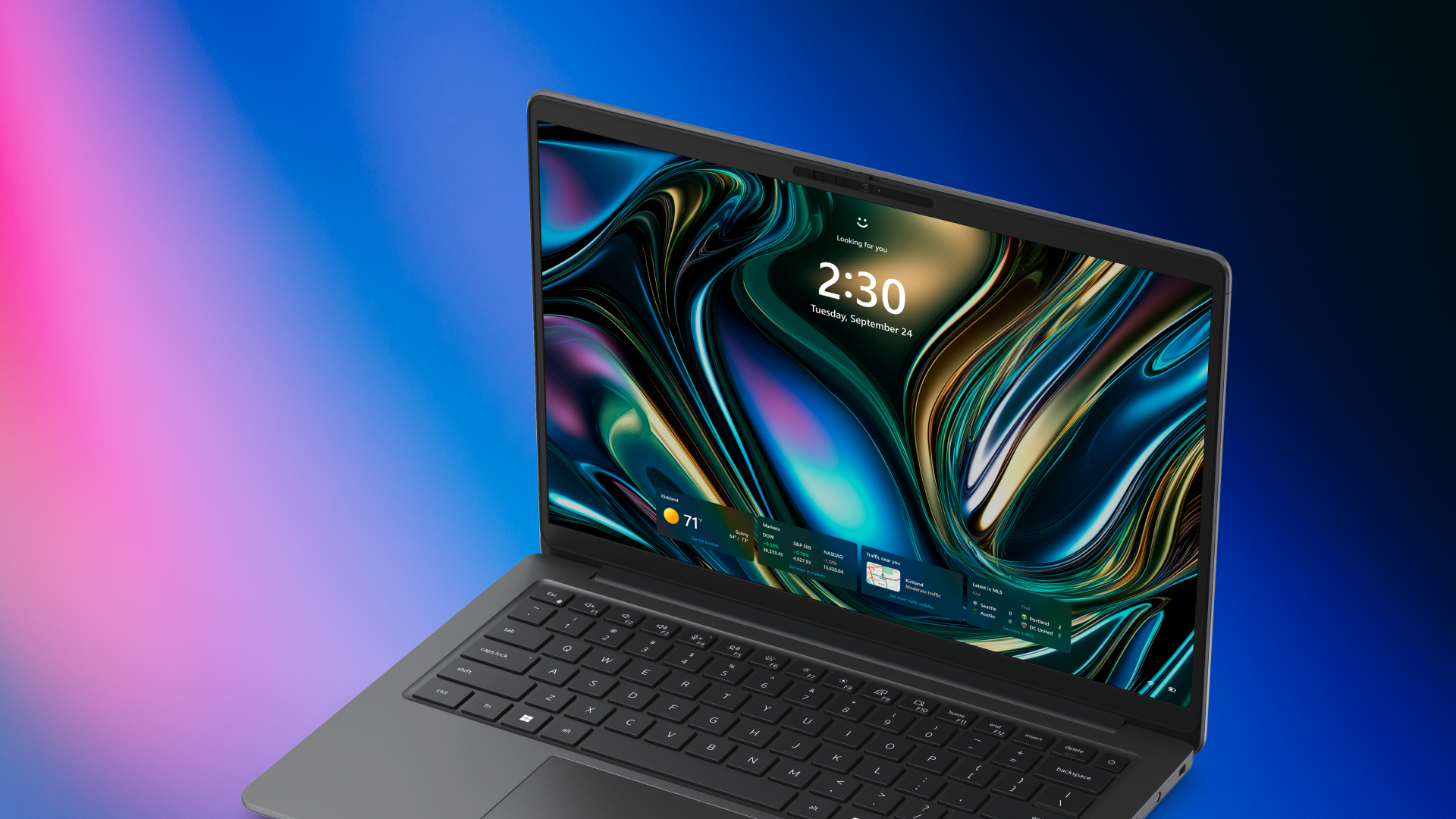 5 features that make the Dell Pro 7 the ultimate travel laptop for business professionals
Sponsored Discover five Dell Pro 7 features for business professionals on the move: lightweight design, privacy display options, premium collaboration tools, battery life, and layered security


-
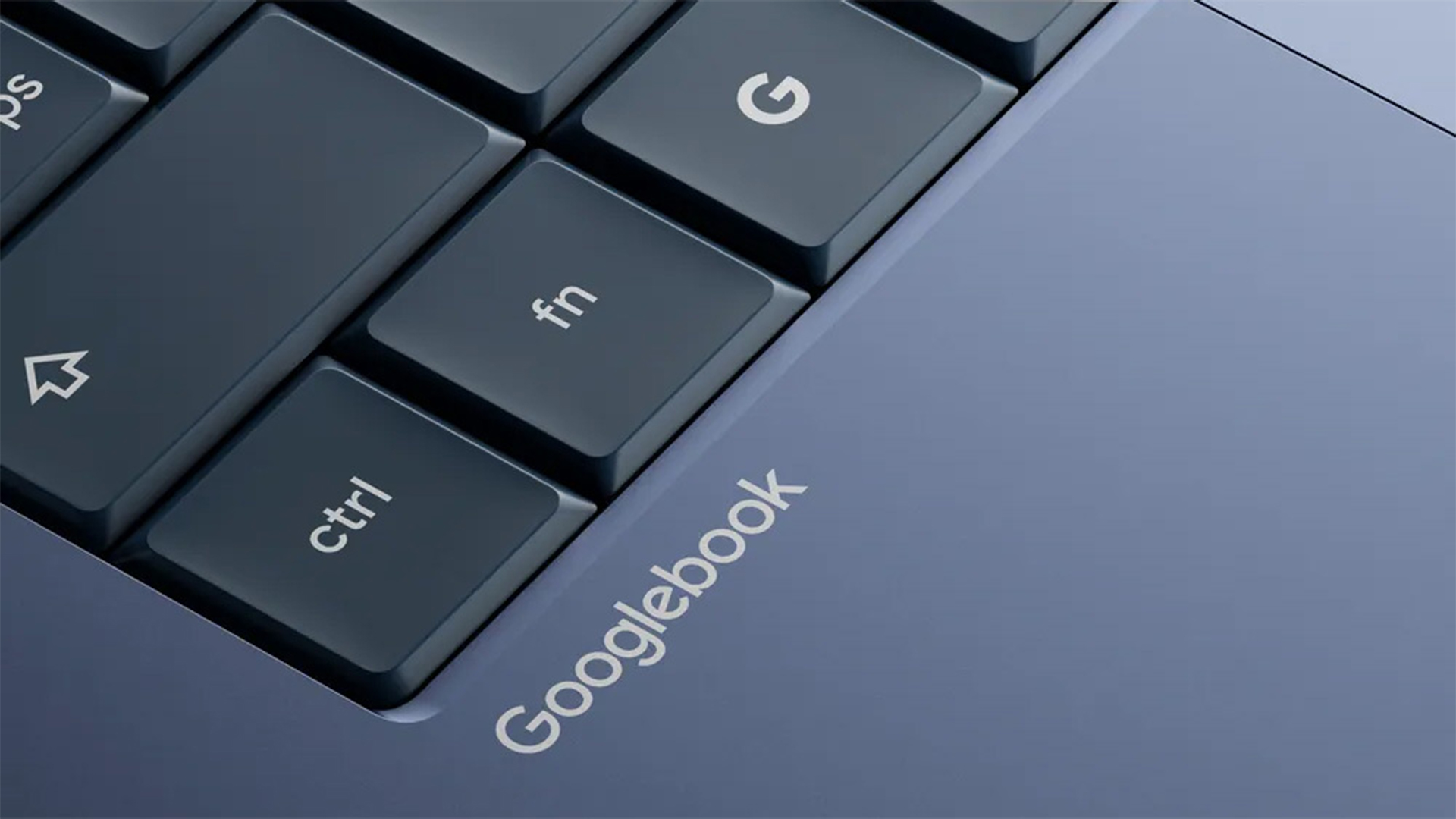 Move over Chromebook – Google teases Gemini-native Googlebook range, with new laptops coming later in the year
News Googlebooks from Acer, Asus, Dell, HP, and Lenovo will hit shelves in the fall
-
 Organizations hit by 90 zero-day vulnerabilities last year
News Google Threat Intelligence researchers warn that edge devices and security appliances are prime entry points
-
 Flaw in Chrome’s Gemini Live gave attackers access to user cameras and microphones
News The in-browser AI assistant loads differently in the side panel, rather than a regular tab, exposing users to risks
-
 Everything you need to know about Google and Apple’s emergency zero-day patches
News A serious zero-day bug was spotted in Chrome systems that impacts Apple users too, forcing both companies to issue emergency patches
-
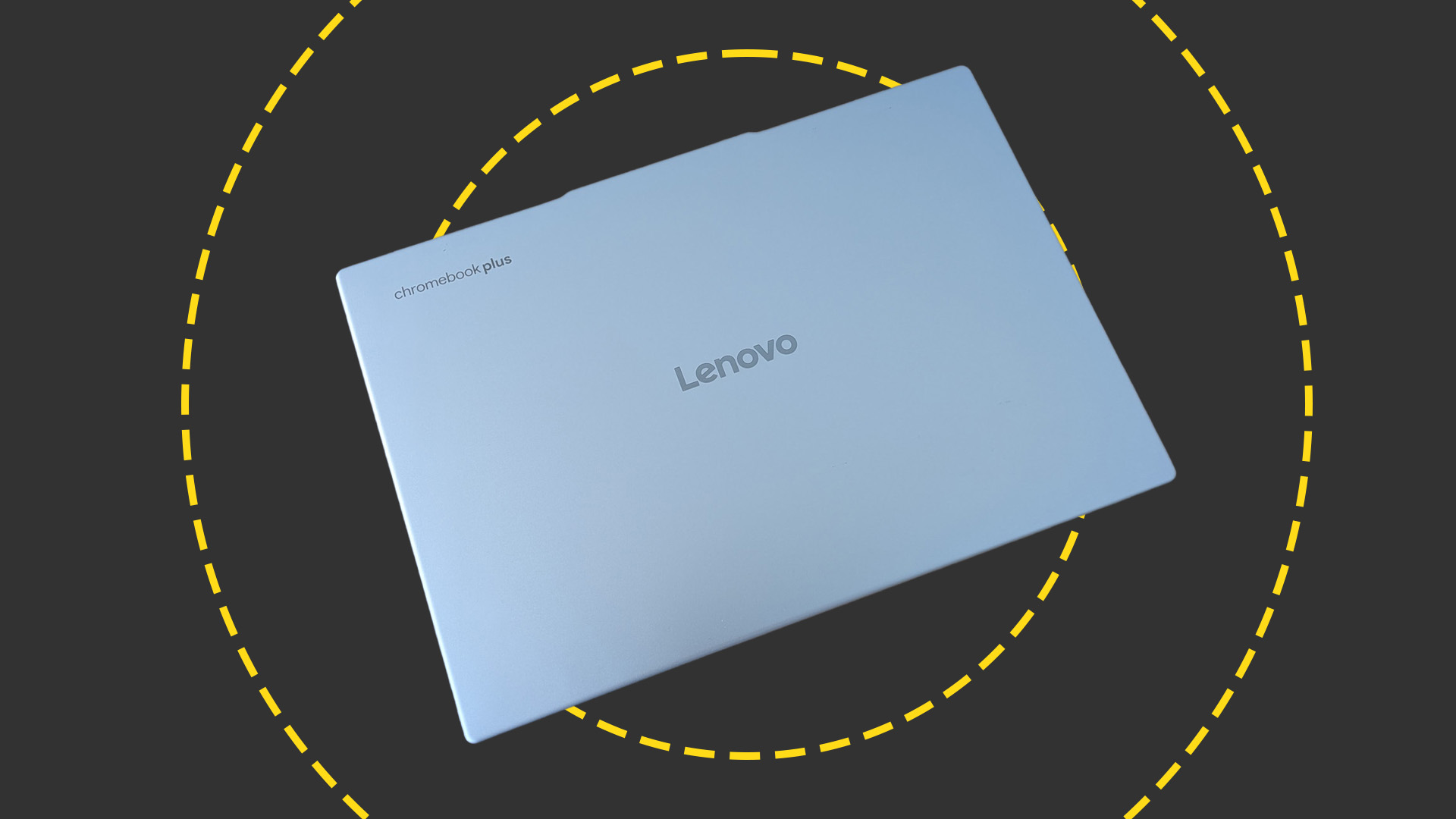 Possibly the best around – the Lenovo Chromebook Plus 14 (Gen 10) is a stellar option for businesses looking to pilot Chromebooks
Reviews The Lenovo Chromebook Plus 14 is a beautifully put-together, AI-ready Chromebook with excellent performance, good battery life, and a fantastic OLED screen
-
 Google breakup plans would ‘hurt America’s consumers, economy, and technological leadership’, senior exec claims
News Google has struck back against US regulators, claiming that plans to dismantle the company would "hurt the economy".
-
 Chromebook Plus devices are getting an AI boost with Gemini — and we’ve had an early preview
News New AI features in Chromebook Plus devices will help supercharge user productivity
-
 Asus Chromebook Enterprise Flip CB5 review: A big-screen Chromebook built for business
Reviews Good design, strong ergonomics, impressive performance, and a bigger screen make this a brilliant, business-ready Chromebook for long working days


