IBM unveils on-chip AI accelerator for fraud detection
The first system to use the 'Telum' processor could be ready by the first half of 2022


IBM has unveiled its long-awaited 'Telum' chip, built with AI inference acceleration that will allow for fraud detection while a transaction is occurring.
The new processor was showcased at the annual Hot Chips conference with the first Telum-based system planned for 2022.
Telum is IBM's first processor to contain "on-chip" acceleration for artificial intelligence (AI) inference. The tech giant spent three years developing the "breakthrough" hardware, which is designed to help customers across banking, finance, trading, insurance applications and customer interactions.
The processor is designed to enable applications to run efficiently where the data resides, differentiating it from traditional enterprise AI approaches that tend to require significant memory and data movement capabilities to handle inferencing. With the accelerator in close proximity to mission critical data and applications, however, IBM suggests that enterprises can conduct high volume inferencing for real time sensitive transactions without invoking off platform AI solutions, which could potentially impact performance.
"Today, businesses typically apply detection techniques to catch fraud after it occurs, a process that can be time consuming and compute-intensive due to the limitations of today's technology, particularly when fraud analysis and detection is conducted far away from mission critical transactions and data," IBM said.
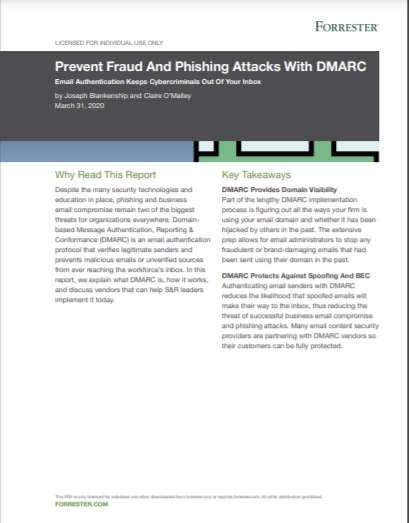
Prevent fraud and phishing attacks with DMARC
How to use domain-based message authentication, reporting, and conformance for email security
"Due to latency requirements, complex fraud detection often cannot be completed in real-time - meaning a bad actor could have already successfully purchased goods with a stolen credit card before the retailer is aware fraud has taken place."
The chip was built on 7nm extreme ultraviolet tech, created by Samsung, and features eight processor cores that have a "deep-scalar out-of-order instruction pipeline" running with more than 5GHz clock frequency. IBM said that these were optimised for the demands of heterogeneous enterprise class workloads.
It features a completely redesigned cache and chip-interconnection infrastructure that provides 32MB cache per core that can scale to 32 Telum chips. The dual-chip module design contains 22 billion transistors and 19 miles of wire on 17 metal layers.


-
 OpenAI forges closer ties with IBM in enterprise push
News The duo will combine OpenAI models and products with IBM Consulting expertise
-
 One-in-five breaches are now AI-related, IBM warns
News While AI threats are rising, enterprises are bolstering cyber resilience capabilities
-
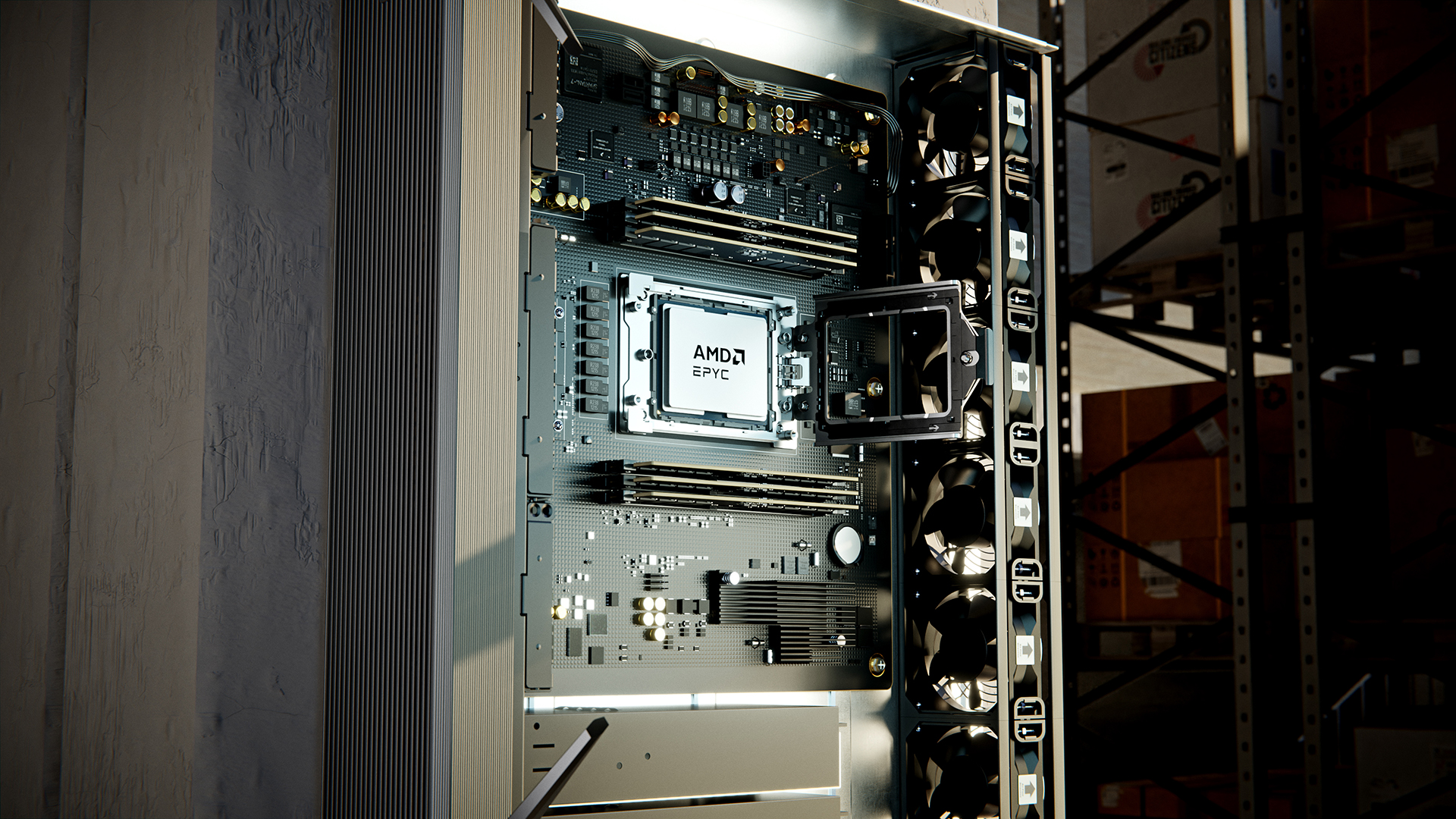 How AMD EPYC CPUs and AMD Instinct GPUs are powering the world's HPC facilities
Sponsored AMD offers powerful chipsets for AI and traditional HPC workloads, including native FP64 support
-
 CIOs and CTOs are making high-stakes decisions with incomplete information, IBM survey reveals
News Architecture, governance, and investment decisions control how fast organizations can move, what risks they can handle, and which opportunities are viable
-
 How AI code is changing software development
ITPro Podcast At firms like OpenAI the majority of code is now generated with AI tools
-
 IBM strikes Arm deal in AI-focused hardware push
News The companies say they want to help enterprises run future AI and data intensive workloads more flexibly
-
 Anthropic says Claude Code can help streamline 'cost-prohibitive' COBOL modernization, but IBM says it's not that simple – 'decades of hardware-software integration cannot be replicated by moving code'
News Research from Anthropic claims Claude Code can simplify modernization of COBOL systems
-
 AWS pledges $50 billion to expand AI and HPC infrastructure for US government clients
News The company said an extra 1.3 gigawatts of compute capacity will help government agencies advance America’s AI leadership


