Results Roundup: Google, IBM, AMD and more
The economy might be struggling, but top IT firms like Nokia, AMD and Sony Ericsson aren't losing as much as expected, while IBM and Google hold steady.


-
 High performance, low latency, greater efficiency: how the Dell PowerStore 9500 array enhances any modern data center
Whitepaper Scale smarter and eliminate storage bottlenecks without expanding your footprint
-
 16-year-old boy arrested for masterminding KillSec ransomware group
News Police have taken control of KillSec's leak site, securing at least 110 terabytes of data against further unauthorized access


-
 ‘This new system will help you do more quantum computing, faster’: IBM says its Nighthawk r2 quantum processor marks a step change in compute capability
News Nighthawk r2 is the firm's fastest-ever system and is now available for researchers
-
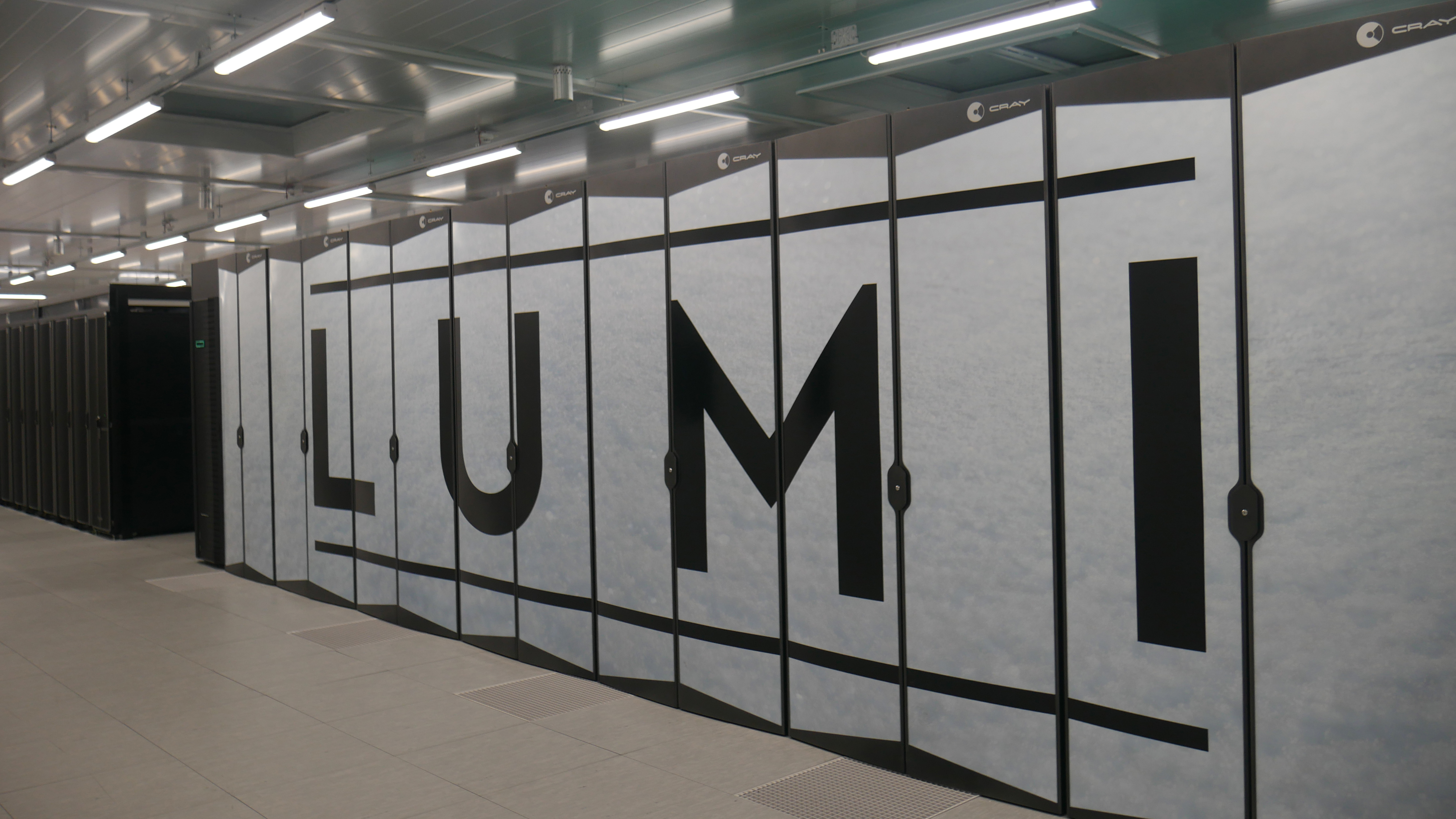 EuroHPC selects Bull to lead €387m Lumi-AI supercomputer contract
News The announcement marks the first major deal for Bull since it was renationalized by the French government
-
 AMD talks up sustainability efforts with rack-scale energy efficiency gains
News The company says it can help deliver more AI performance without increasing power, improve cost of ownership, and help customers scale faster
-
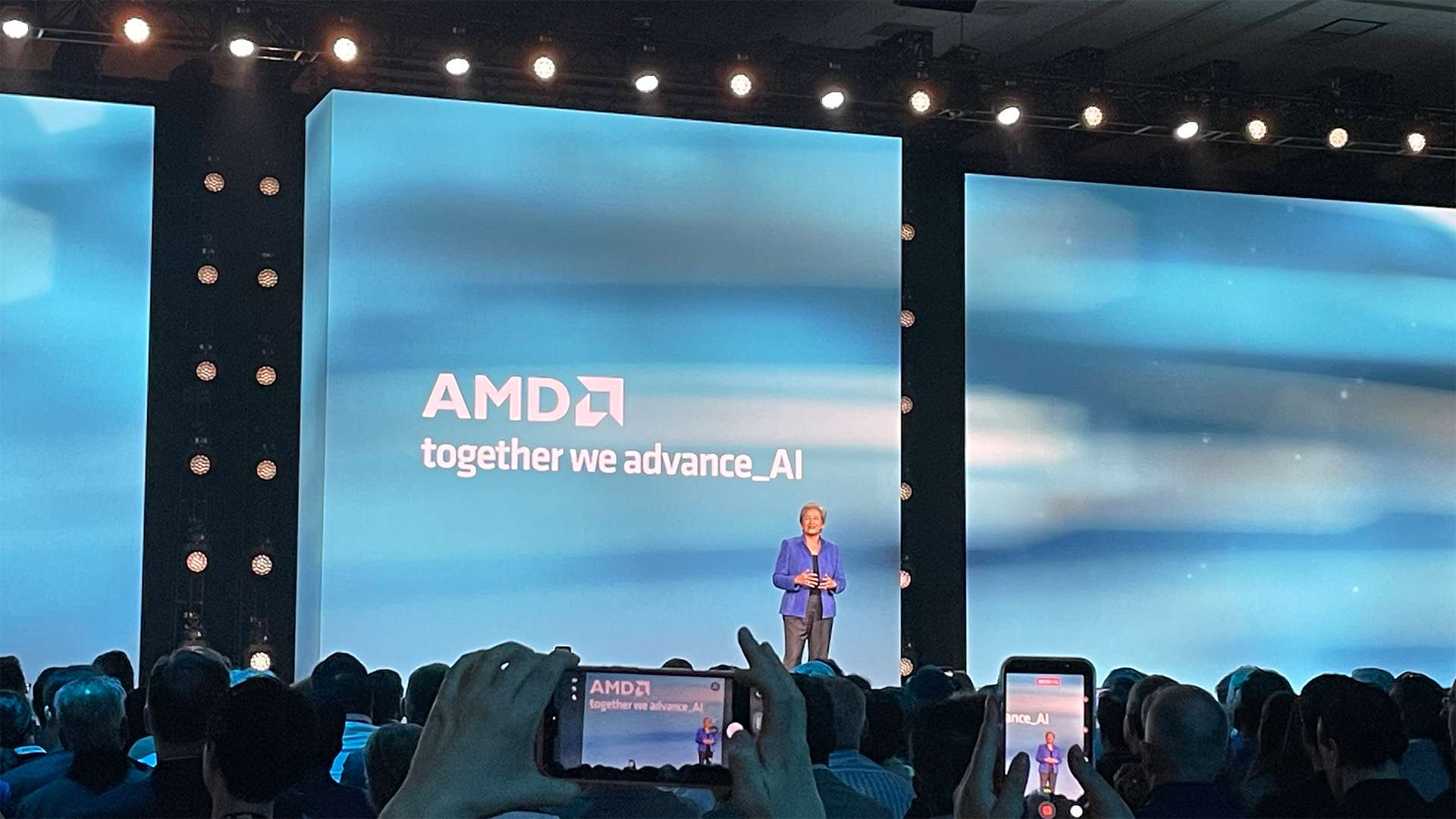 AMD partners with Cerebras for ultra-low latency AI infrastructure
News The solution brings together AMD Helios and Cerebras Wafer-Scale Engine into a single solution
-
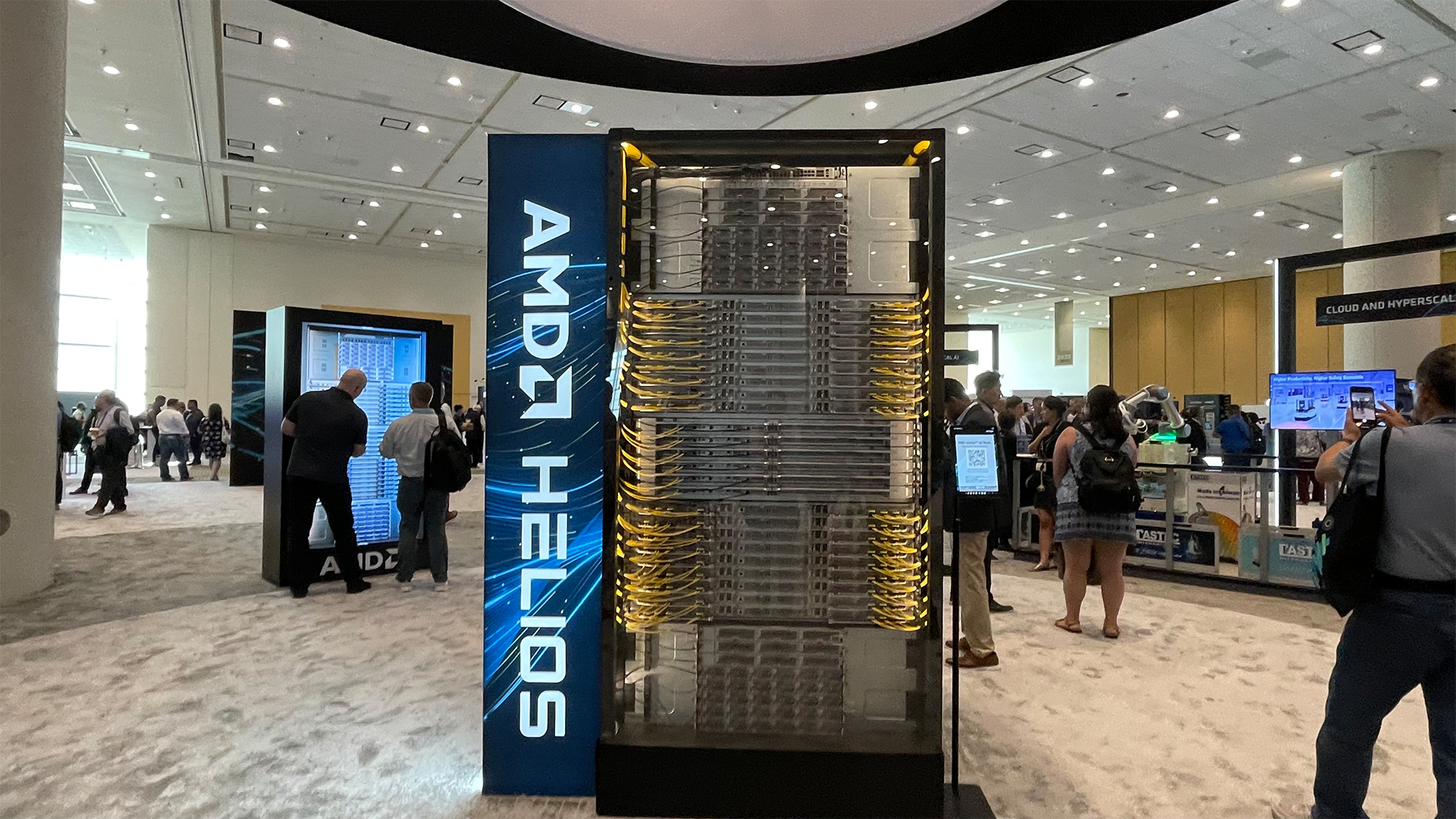 AMD Advancing AI 2026: Helios on the rise, with launch of new Instinct GPUs
News The rack-scale architecture announced in 2025 is finally rolling off the production line
-
AMD adds Microsoft to its growing roster of Helios customers as firm launches three new VMs for Azure users
News The collaboration marks the latest big tech customer for AMD’s “game changer” Helios system
-
 What to expect at AMD Advancing AI 2026
Here are three things I expect to hear about at AMD’s annual get together – and one I don’t
-
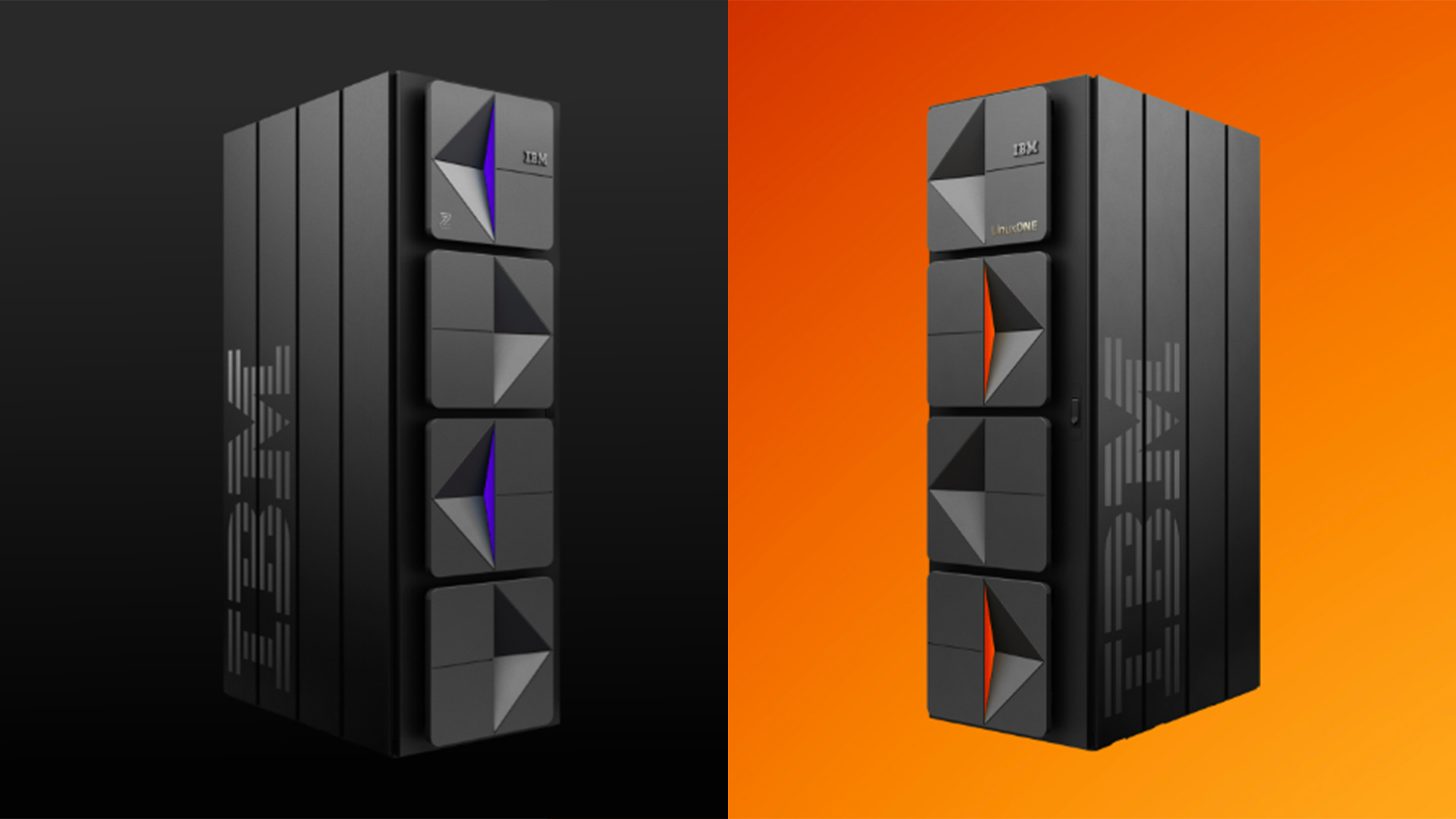 IBM targets data center efficiency gains with new z17 and LinuxONE offerings
News Cost, data center footprint, and performance improvements are coming for IBM Z and LinuxONE customers


