‘This new system will help you do more quantum computing, faster’: IBM says its Nighthawk r2 quantum processor marks a step change in compute capability
Nighthawk r2 is the firm's fastest-ever system and is now available for researchers


-
 Microsoft pulls plug on Essex data center development
News Planned development in Loughton was set to deliver 50 MW of AI capacity and create 250 permanent jobs
-
 Microsoft’s business software practices under scrutiny by UK markets regulator
The watchdog is concerned the company makes it too difficult for customers to switch services


-
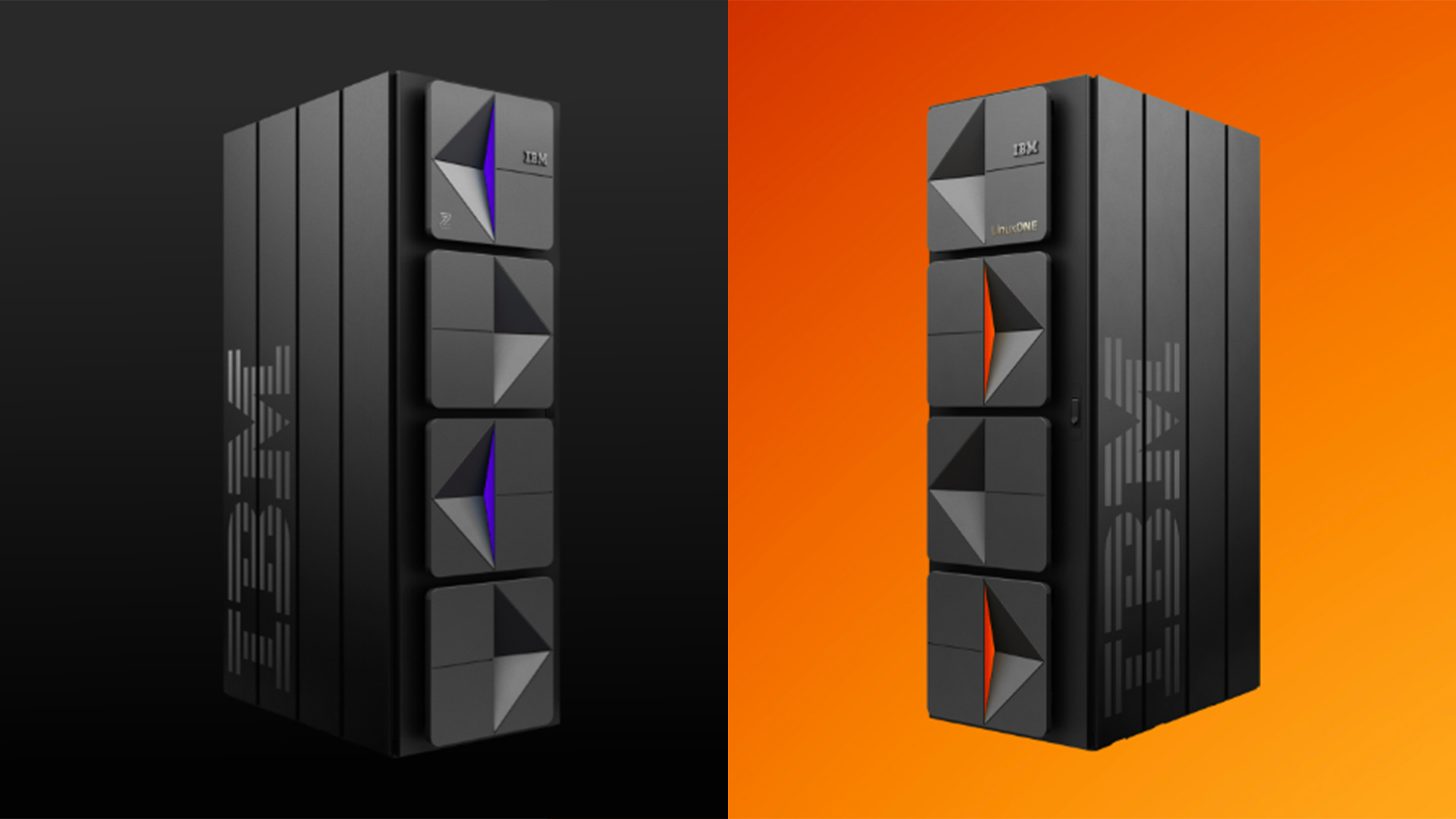 IBM targets data center efficiency gains with new z17 and LinuxONE offerings
News Cost, data center footprint, and performance improvements are coming for IBM Z and LinuxONE customers
-
 NIST eyes quantum gains with new research and manufacturing center
News The move comes in response to a recent executive order aimed at accelerating the commercialization of quantum technologies
-
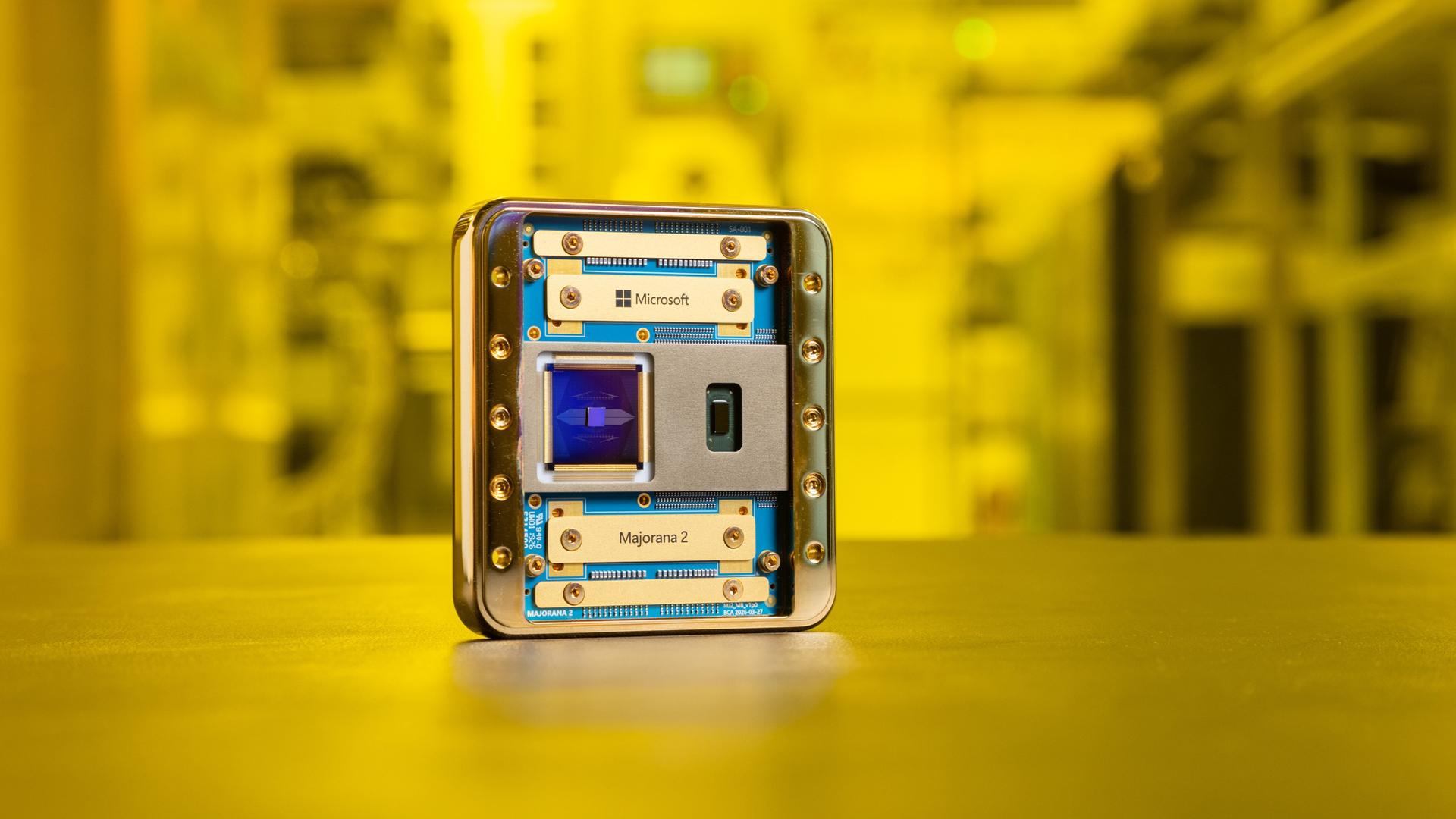 Microsoft says its Majorana 2 chip was built using AI – and it helped deliver huge performance gains
News The Majorana 2 quantum chip was developed with the help of the Microsoft Discovery platform
-
 UK businesses brace for quantum disruption – and it could come sooner than expected
News A third of businesses have made quantum a strategic priority, an EY survey has revealed
-
IBM wins biggest slice of $2bn US gov investment in domestic quantum firms
News The Department of Commerce says it wants to strengthen the country's presence in this critical technology sector
-
 C-suites want concrete quantum use-cases, not hype
News New research shows the hype around quantum computing isn’t translating to investment
-
 IBM strikes Arm deal in AI-focused hardware push
News The companies say they want to help enterprises run future AI and data intensive workloads more flexibly
-
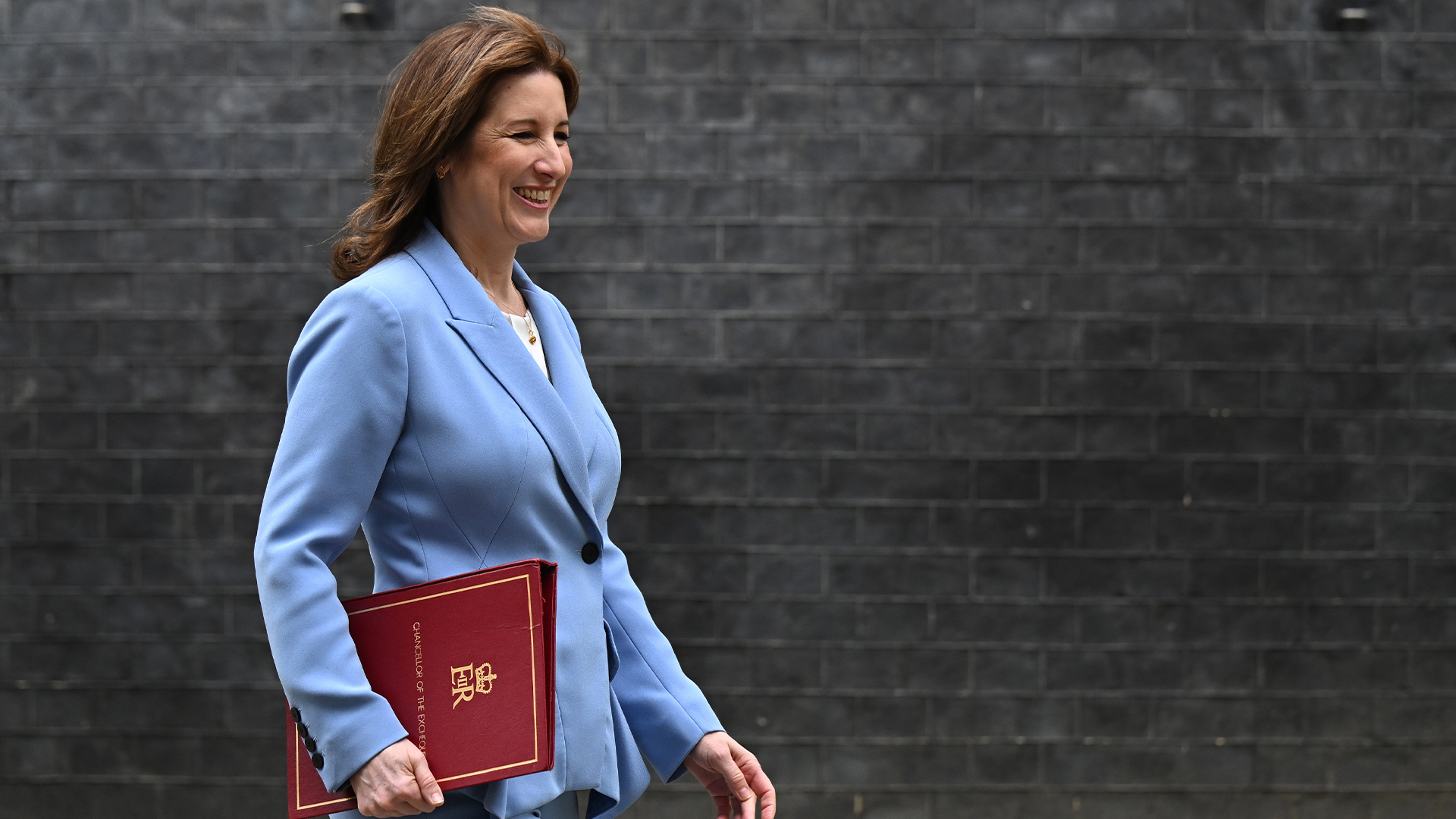 The UK government wants to be a global leader in quantum computing, but is the country prepared?
News £2 billion in funding aims is to make the UK a world leader in quantum computing by 2030, but some industry stakeholders think it's a bridge too far


