Green IT all about the bottom line
UK firms see a business imperative for so-called green IT, but it must have a solid return on investment, a survey has found.
Nearly half of UK firms have green tech strategies in place, but they're more concerned with the bottom line than saving the world, a report from IDC has suggested.
The analyst firm surveyed companies around Europe, concluding that 46 per cent of UK firms have a green IT strategy in place, compared to 35 per cent around Europe and 51 per cent in Germany.
"Green IT has become a business imperative," said IDC analyst Nathaniel Martinez, largely because of increasing power and cooling costs as well as government regulation.
Indeed, cost cutting was the number one reason firms looked to energy efficient technologies, such as virtualisation, he said, adding that nearly half expected to have a solid return on investment before rolling out a green strategy.
Sustainability was much further down the list; Martinez said his research failed to find a "green warrior organisation" that was going green for ethical reasons.
But the cost savings can be huge, according to study sponsor Dell. European director of marketing James Quarles said his firm has cut energy use by 40 per cent by taking simple measures like turning off computers and monitors at night, saving as much as $1.8 million (1.18 million) annually across its 50,000 computer estate. The PC maker also virtualised 9,000 servers, saving $25 million (16.44 million) each year.
Martinez noted most IT departments have no motivation to cut energy use, as they don't pay the bills and often have no idea how much power their data centres are sucking up. The survey suggested three-quarters of UK firms don't have a clue about their energy consumption.
Sign up today and you will receive a free copy of our Future Focus 2026 report - the leading resource for IT decision-maker insight on priorities and investment areas in AI, security and more.
"You need to measure what you want to improve," Martinez said.
IT has a unique position in businesses to help cut energy use and emissions, as it reaches all aspects of companies, he added.
Click here for our top tips for green IT.
Freelance journalist Nicole Kobie first started writing for ITPro in 2007, with bylines in New Scientist, Wired, PC Pro and many more.
Nicole the author of a book about the history of technology, The Long History of the Future.
-
What will the infrastructure for growing businesses look like by 2030? Designing IT estates for your midsized business in the next part of the AI eraSPONSORED The infrastructure of the future will lean on technological and structural breakthroughs to be far more power-efficient
-

Cutting through the data center jargon: How to choose the right infrastructure for your businessSPONSORED From hybrid cloud and cyber resilience to AI-ready infrastructure, here's what the most important data center terms really mean — and how to identify the technologies that best support your business goals
-
Modernizing infrastructure? Don't overlook server securityThe combined security-focused capabilities offered by PowerEdge and Intel® Xeon® 6 processors help medium-sized businesses modernize with peace of mind
-
4 key considerations for data center modernization on a budgetHow midsize businesses can modernize aging infrastructure, control costs, and strengthen resilience without a rip-and-replace refresh.
-
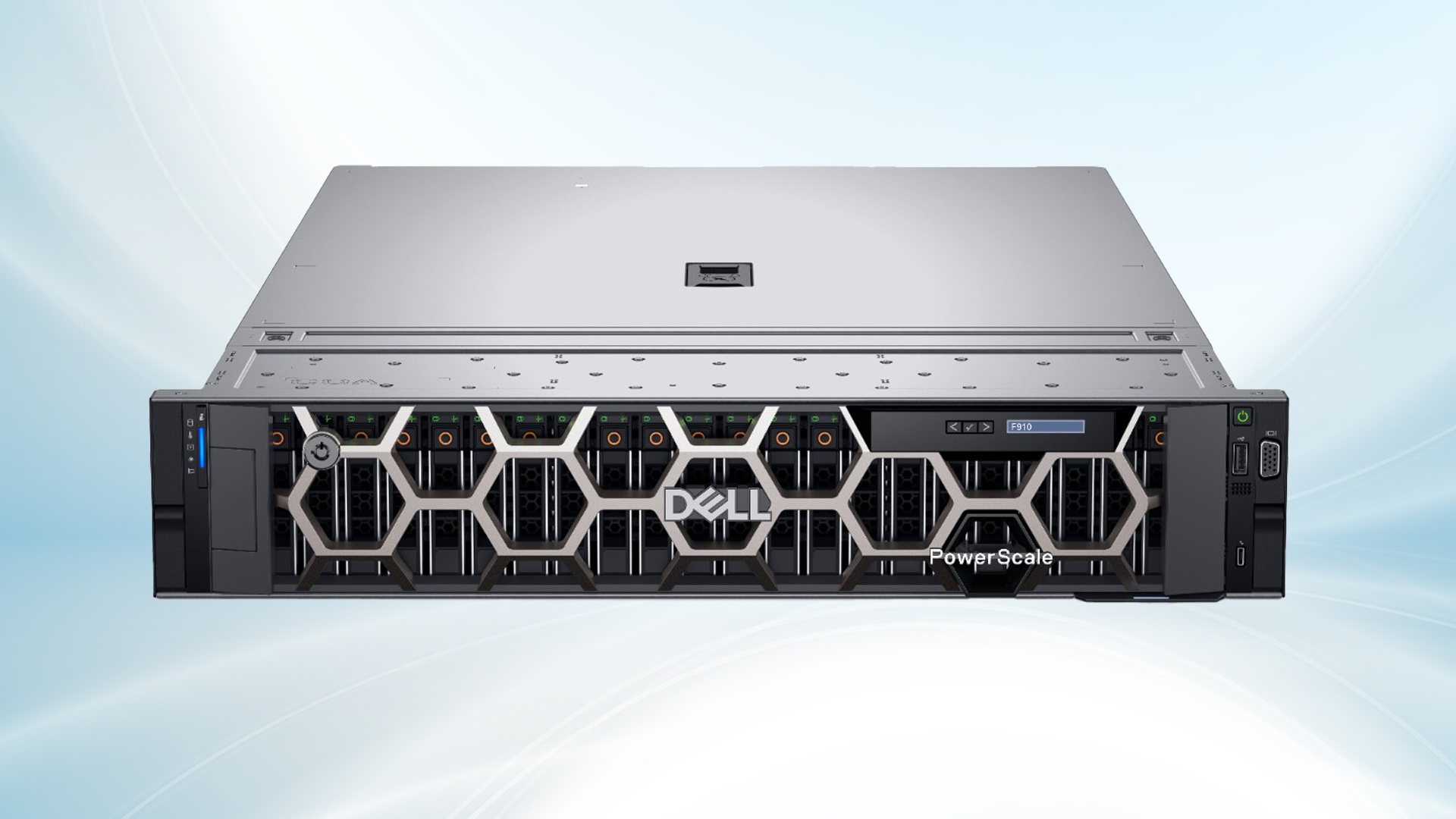
How the right automated storage management boosts AI and analytics pipeline performance and reliabilitySponsored High-performance storage infrastructure is vital for AI innovation, but underlying software features play an increasingly crucial role in optimization and management
-

7 capabilities every modern enterprise storage platform should deliver in 2026Modern storage requirements are changing rapidly, and enterprises demand scalable, flexible, and intuitive solutions
-

4 ways Dell Private Cloud crushes modern IT complexitySponsored IT complexity can be costly in more ways than one. Solve the challenge with Dell Private Cloud
-
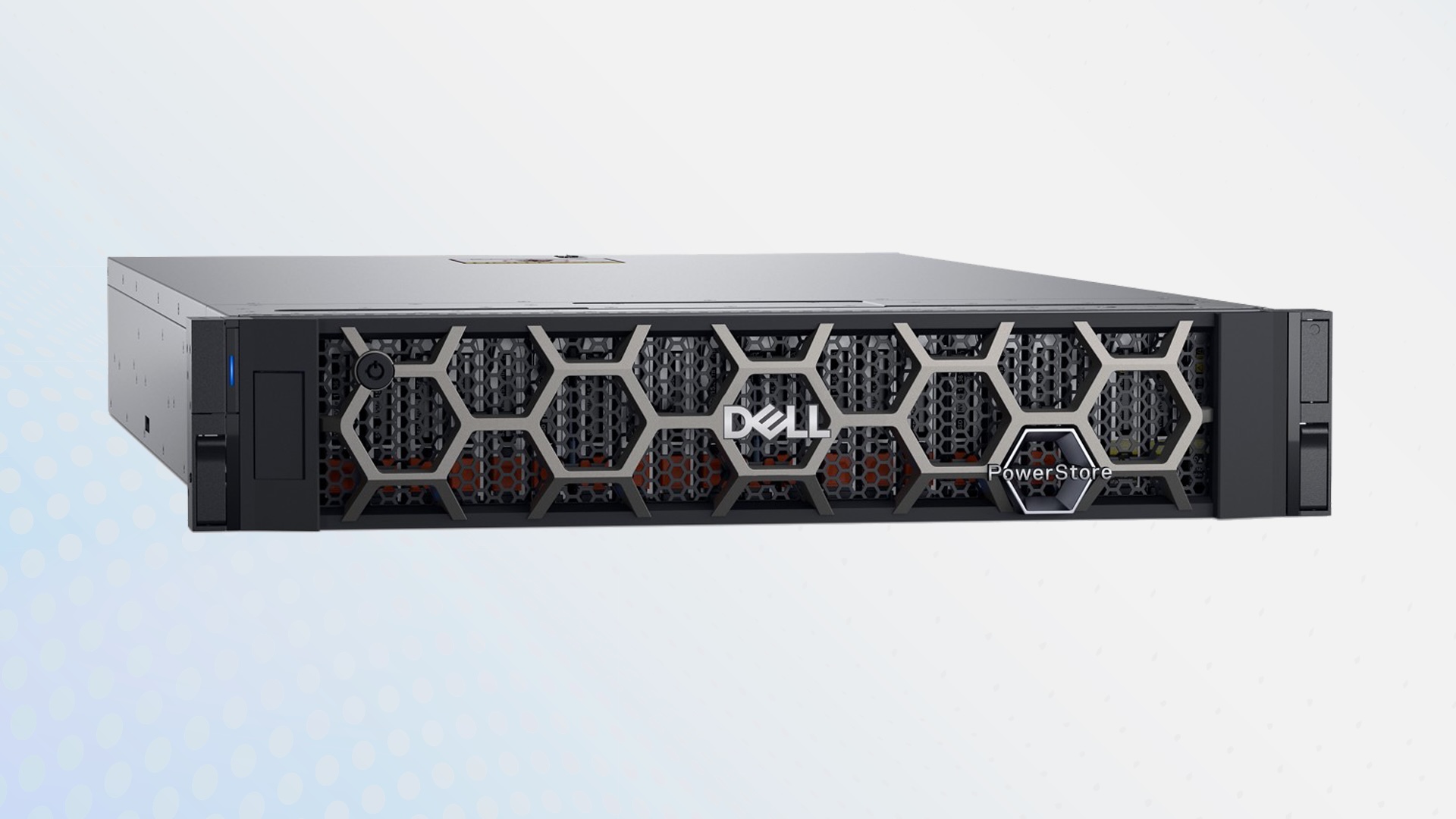
Cut cost, not capability: How Dell PowerStore reduces storage footprint and energy useSponsored Dell PowerStore delivers high-performance storage capabilities without sacrificing energy efficiency and scalability