
-
 What does it take to protect your data in today's AI-driven world?
Whitepaper Dell PowerProtect Data Domain helps organizations build a cyber-resilient foundation to securely protect and reliably recover critical data across multicloud environments in today's AI-driven world
-
 Omnissa names Amit Singh as new CEO
News The veteran industry leader will lead the digital workplace platform provider into the era of agentic endpoints across the enterprise


-
 UK Government says it’s ‘cut cyber attack fix times by 84%’ with new vulnerability monitoring service
News A new scanning service spots weaknesses in government DNS records for 6,000 UK public sector bodies
-
 UK’s ‘Tech Prosperity Deal' with US hits rocky ground
News The US has reportedly threatened to pull out of the deal over the Digital Services Tax and broader economic disagreements
-
 ‘A major step forward’: Keir Starmer’s £187 million tech skills drive welcomed by UK industry
News The ‘TechFirst’ program aims to shore up the UK’s digital skills to meet future AI needs
-
 Government’s ‘Humphrey’ AI tool helps local authorities cut costs
News The Minute tool, part of the Humphrey AI assistant, is being trialled at 25 councils
-
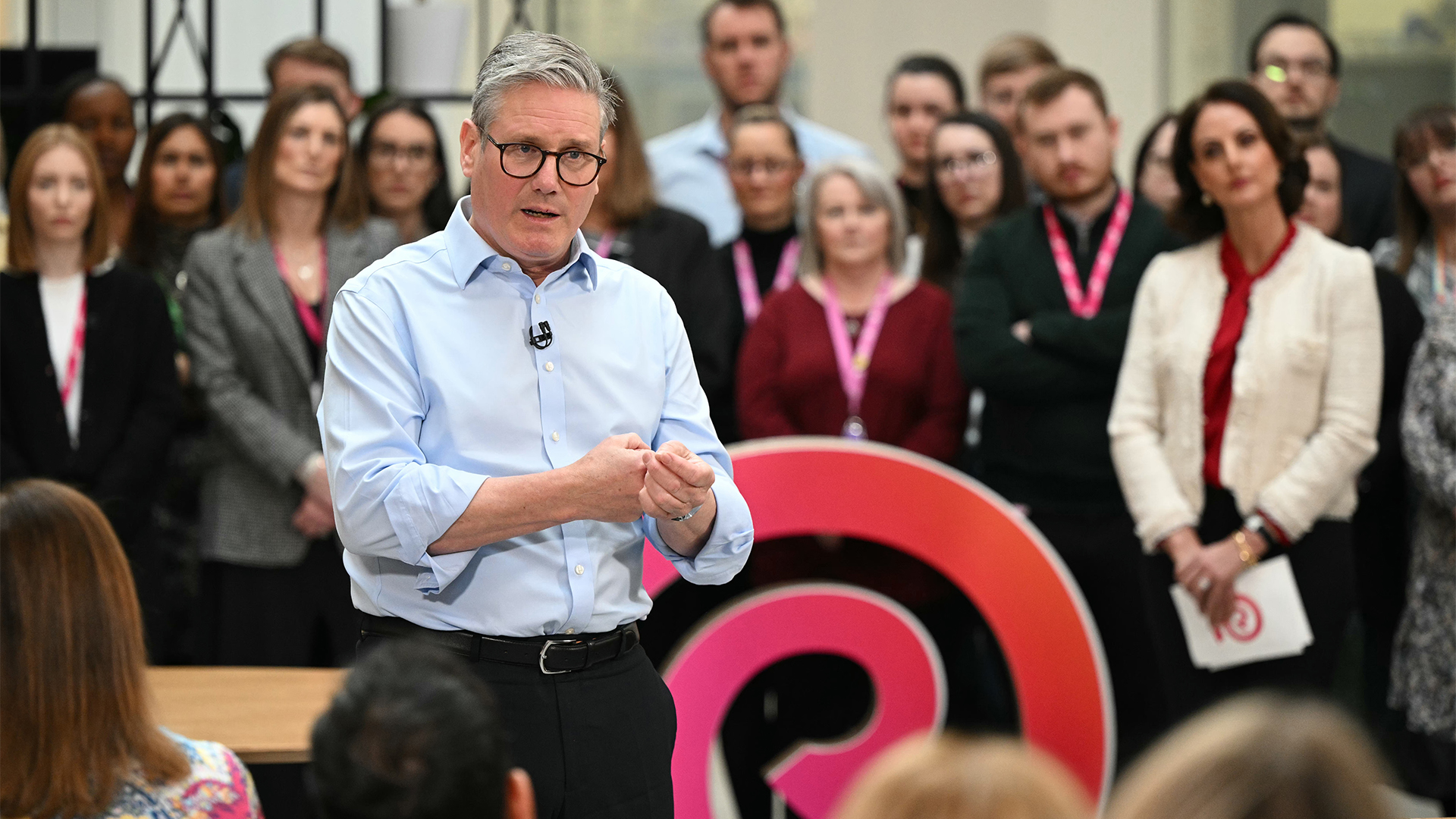 Starmer bets big on AI to unlock public sector savings
News AI adoption could be a major boon for the UK and save taxpayers billions, according to prime minister Keir Starmer.
-
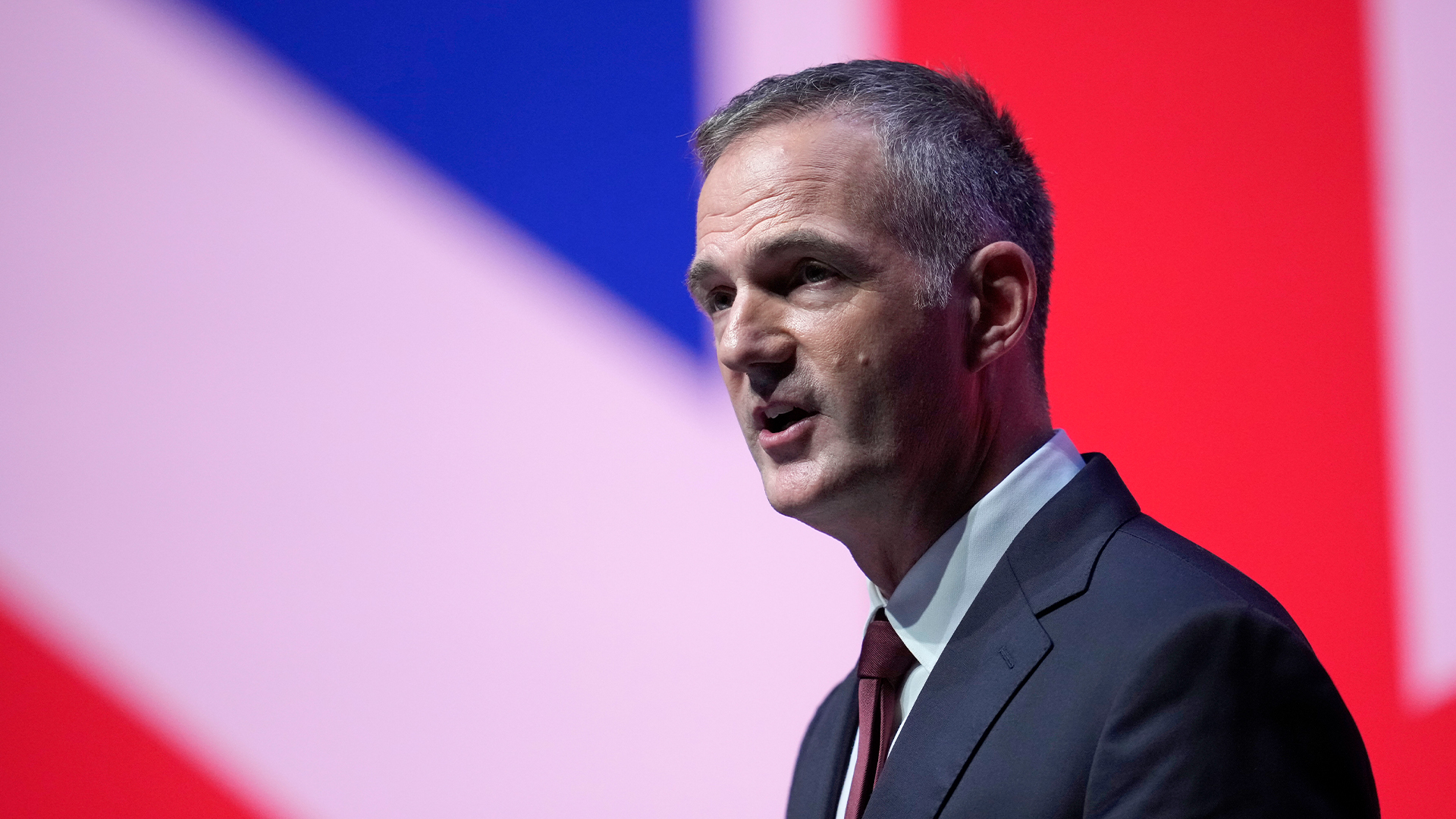 UK government targets ‘startup’ mindset in AI funding overhaul
News Public sector AI funding will be overhauled in the UK in a bid to simplify processes and push more projects into development.
-
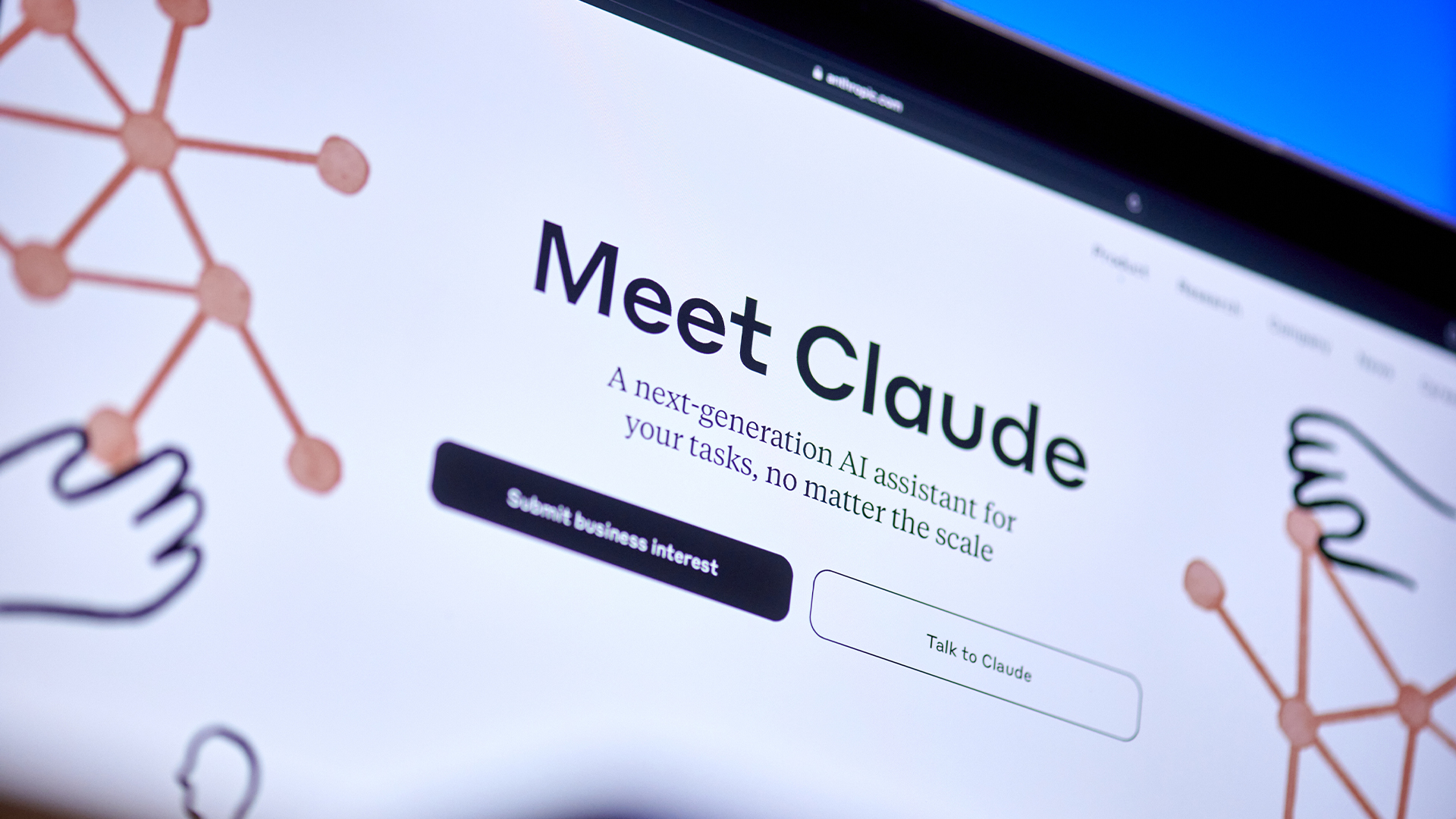 UK government signs up Anthropic to improve public services
News The UK government has signed a memorandum of understanding with Anthropic to explore how the company's Claude AI assistant could be used to improve access to public services.
-
 The UK’s AI ambitions face one major hurdle – finding enough home-grown talent
News Research shows UK enterprises are struggling to fill AI roles, raising concerns over the country's ability to meet expectations in the global AI race.


