Parallels Summit 2012: Q&A, Birger Steen
We spoke to the CEO of Parallels about how his vision for the company is panning out and what he still wants to achieve.
When you became CEO in 2011 you set out your vision to achieve $1 billion revenue annually and focus on infrastructure and developing the talent you have in the organisation. Have you set out what you wanted to achieve thus far?
We're not quite a billion yet but I think the important thing when you articulate where you want to take the company is it sets a benchmark for what kind of company you want to be and what kind of company you need to be.
In terms of growing the ecosystem to one that can carry a $1 billion business, I think we've made more than a year's progress in a year.
I think we have made about a year's progress in getting ready to be that company. It's a bit like competing in a sport and deciding whether you want to be a good company team player or you want to be Olympian. The choice between the two has a lot of implications for how you prepare and what equipment you get and so on.
We've made some real progress in getting ready to be that kind of company. Examples would be if you look back at the people we've hired over the last few months we have Michael Toutonghi who came out of Microsoft, one of 22, now 21, technical fellows there who was the kernel development lead for Windows 95 and was the architect behind .net. He's someone who's really built large scale and ubiquitous platforms in the past. He's exactly the type of person we need to drive the architecture of our platform. By architecture I mean not only that of each individual product but also how the whole platform lines up and how it extends out to the ecosystem.
Until about a year ago we had a fantastic idea, a potentially liberating idea on the application packaging standard that allows an open-ended ecosystem as opposed to a walled garden approach for SaaS apps for SMBs. The problem was we hadn't really invested a lot in it. We had a good idea but we had more or less just leaned back a little bit and said "Those who want can come in."
Sign up today and you will receive a free copy of our Future Focus 2026 report - the leading resource for IT decision-maker insight on priorities and investment areas in AI, security and more.
Maggie has been a journalist since 1999, starting her career as an editorial assistant on then-weekly magazine Computing, before working her way up to senior reporter level. In 2006, just weeks before ITPro was launched, Maggie joined Dennis Publishing as a reporter. Having worked her way up to editor of ITPro, she was appointed group editor of CloudPro and ITPro in April 2012. She became the editorial director and took responsibility for ChannelPro, in 2016.
Her areas of particular interest, aside from cloud, include management and C-level issues, the business value of technology, green and environmental issues and careers to name but a few.
-
The CEO's guide to generative AI: How will you pay for it?Whitepaper Open the aperture to see the full picture of IT spend
-

IDC MarketScape: Worldwide supply chain SAP ecosystem services 2023 vendor assessmentWhitepaper In-depth assessment of IT consulting providers supporting supply chain management processes
-
The CEO's guide to generative AI: A new way to run your businessWhitepaper Rethink your AI assumptions, plans, and strategies in real-time
-
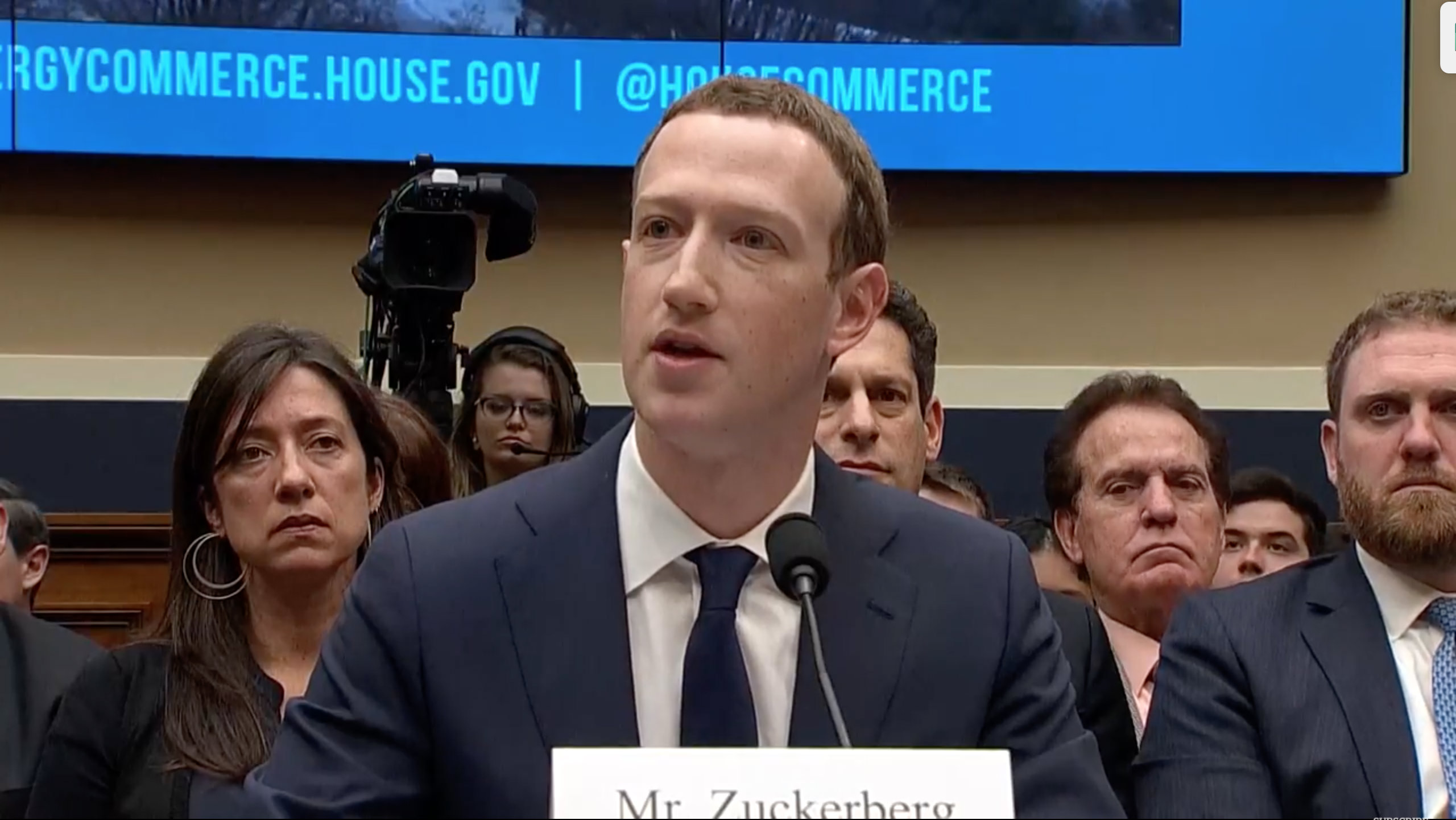
Stop worshipping CEOs – tech is a team sportOpinion Tech leaders are showing themselves for who they are, and it shouldn’t come as a surprise
-
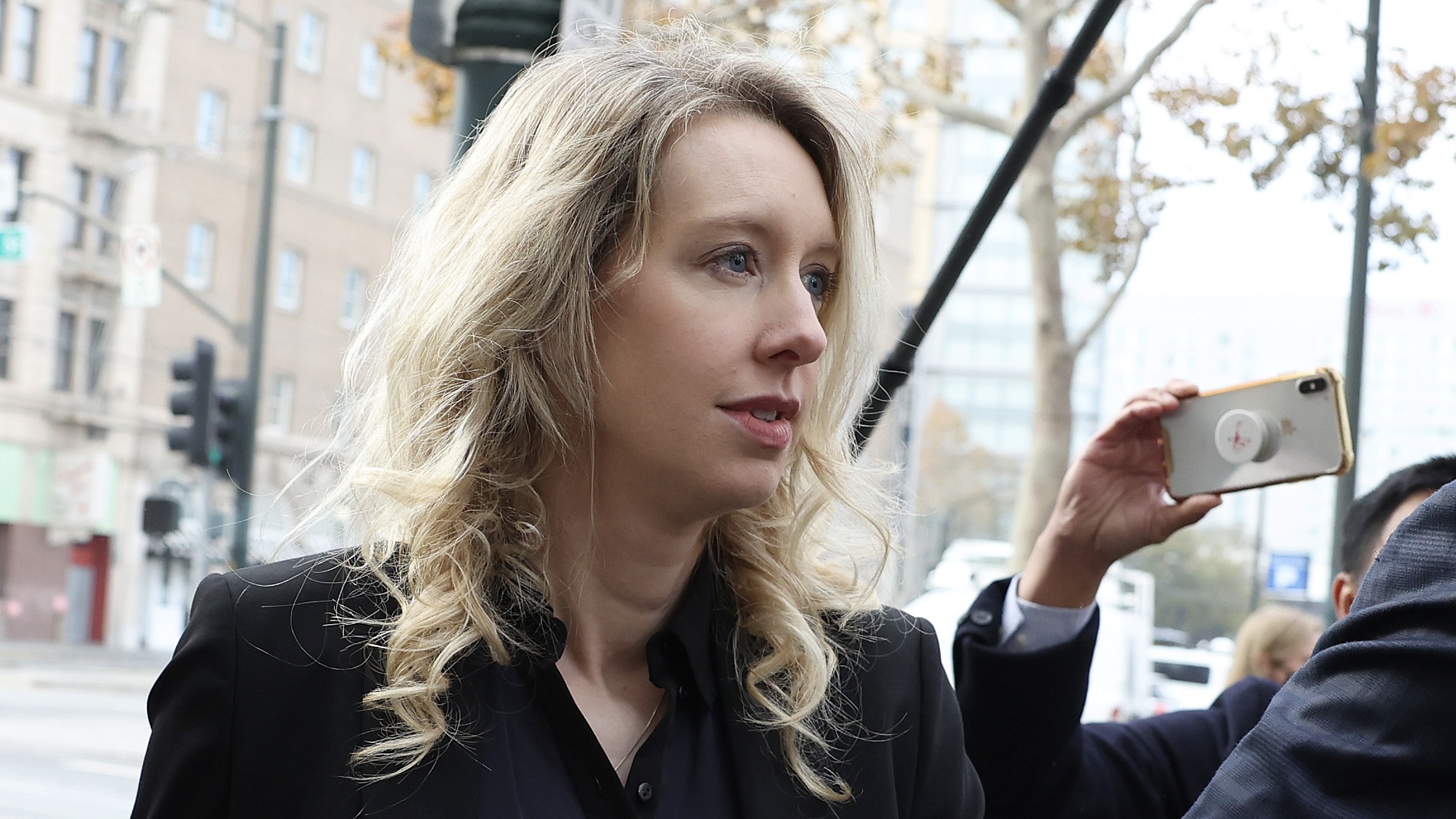
What tech investors can learn from three under-fire CEOsAnalysis With clear lessons to learn from the high-profile cases of Autonomy, Theranos, and Wirecard, investors should tread carefully in future
-
Businesses need these 'three core traits' if they hope to make automation a successAnalysis Forrester claims automation can allow companies to grow 2.7 times faster than their peers, but only a minority of modern businesses meet the criteria
-

CEOs place sustainability in top 10 business priorities for first time, study showsNews The pandemic is said to have brought a number of deep societal trends to the surface, such as a desire to change the way we work and the fragility of long-distance global supply chains
-
Global IT spending to grow 8.6% in 2021, says GartnerNews This year’s spending growth is now 3.4% higher than expected