‘Employers must look at the bigger picture’: Brits aren’t keen on going back to the office, and enterprises pushing for it risk a talent exodus – 48% of UK professionals would quit if faced with a full RTO mandate as hybrid work remains popular
Nearly half of professionals would consider quitting rather than returning to the office full time
Faced with a full-time return to office (RTO) mandate, some employees might shell out for a season ticket, expand their office-casual wardrobe, and otherwise accept their fate — but half of professionals surveyed would consider simply quitting.
That's according to a survey about the ongoing debate over RTO mandates and hybrid working, with recruitment firm Hays revealing that 48% respondents in the UK would consider quitting rather than heading back to the office.
That figure tracked higher for women, at 58%, than men at 42%, according to Hays.
Some major tech firms have already faced employee backlash as a result of RTO mandates. A survey of Amazon staff affected by its office attendances last year suggested nearly half of staff planned to quit ahead of the RTO deadline.
Around two-thirds of respondents also said they planned to leave the firm within a year to pursue opportunities at companies whose policies align with their preferences.
A key factor in the pushback against RTO mandates is the cost associated with commuting, according to Hays. Nearly three-quarters (73%) of workers specifically highlight commute costs as a major reason they favored working from home.
The study found that working in the office full-time would increase costs for 88% of workers. Similarly, the impact of these costs on general finances would also be more significant for women (59%) than men (41%).
Sign up today and you will receive a free copy of our Future Focus 2025 report - the leading guidance on AI, cybersecurity and other IT challenges as per 700+ senior executives
Pam Lindsay-Dunn, chief operating officer of Hays UK and Ireland, said the research highlights that enterprises are at “serious risk” of losing top talent as a result of strict RTO mandates.
“Our research clearly shows how highly professionals still value the option to work from home," she said.
Previous research into the topic of RTO mandates from the University of Pittsburgh warned of a potential ‘brain drain’ at enterprises pursuing these policies. Researchers found companies taking a strict stance on the matter typically lose their top talent as a result, with female employees and top-performers often among the first to jump ship.
Lindsay-Dunn added that employers should address potential employee concerns and other vital considerations prior to making a decision on the topic of mandatory office attendance.
"Before making any significant changes to their current working model, employers must look at the bigger picture and consider key factors such as the cost of commuting, work-life balance, employee wellbeing, productivity and the host of benefits that hybrid working can bring to their business, in order to retain talent in a tough market.”
Hybrid popularity
While big tech firms continue to push for a full return to the office, Hays’ research showed workers still prefer a hybrid work setup.
More than three-quarters (77%) of professionals surveyed work in a hybrid way, with a quarter of firms polled saying their staff came in three days a week, working from home the remaining two — a figure that has stayed the same from Hays' survey last year.
A further 22% of firms said they let workers choose their own working pattern.
Employees need not start drafting a letter of resignation, as hybrid working looks set to continue. While a fifth of companies polled said they have asked staff to come into the office more often, only 8% said they plan to introduce a full RTO mandate in the coming months.
Similarly, half of companies said they saw no difference in productivity between home workers and office staff, with 19% saying those at home were more productive and 14% saying those in the office performed better.
Remote work productivity has been a contentious topic in recent years, with critics of the practice suggesting staff typically perform better when collaborating in-person with colleagues.
Research from the University of Melbourne last year showed companies with flexible working did better on the stock market in the longer term.
MORE FROM ITPRO
- 'The tide seems to be turning towards office attendance': 64% of hybrid business leaders want staff back in the office – but many worry that enforcing RTO mandates will drive employees away
- BT orders staff back into the office with "three together, two wherever" policy change
- Tech execs pushed for a return to the office – now they’re backtracking amid a workforce revolt, with only 3% of firms asking staff to return full-time
Freelance journalist Nicole Kobie first started writing for ITPro in 2007, with bylines in New Scientist, Wired, PC Pro and many more.
Nicole the author of a book about the history of technology, The Long History of the Future.
-
AWS CEO Matt Garman says AI agents are going to have 'as much impact on your business as the internet or cloud'News Garman told attendees at AWS re:Invent that AI agents represent a paradigm shift in the trajectory of AI and will finally unlock returns on investment for enterprises.
-
Amazon S3 just got a big performance boostNews The Amazon S3 Vectors service now scales to two billion vectors per index
-
Microsoft could be preparing for a crackdown on remote workNews The tech giant is the latest to implement stricter policies around hybrid working without requiring a full five days in the office
-

Half of British companies want an end to hybrid working – but they’re playing with fire if they expect employees to complyNews A survey by British Chambers of Commerce suggests approval of hybrid working depends on sector
-

HSBC says get back to the office or risk bonuses – and history shows it’s a tactic that might backfireNews HSBC is the latest in a string of financial services firms hoping to tempt workers back to the office.
-
Hybrid models have changed the way we work – but not where we liveNews The wider impact of working from home has been limited by requiring employees in the office for a few days a week, academic research suggests
-
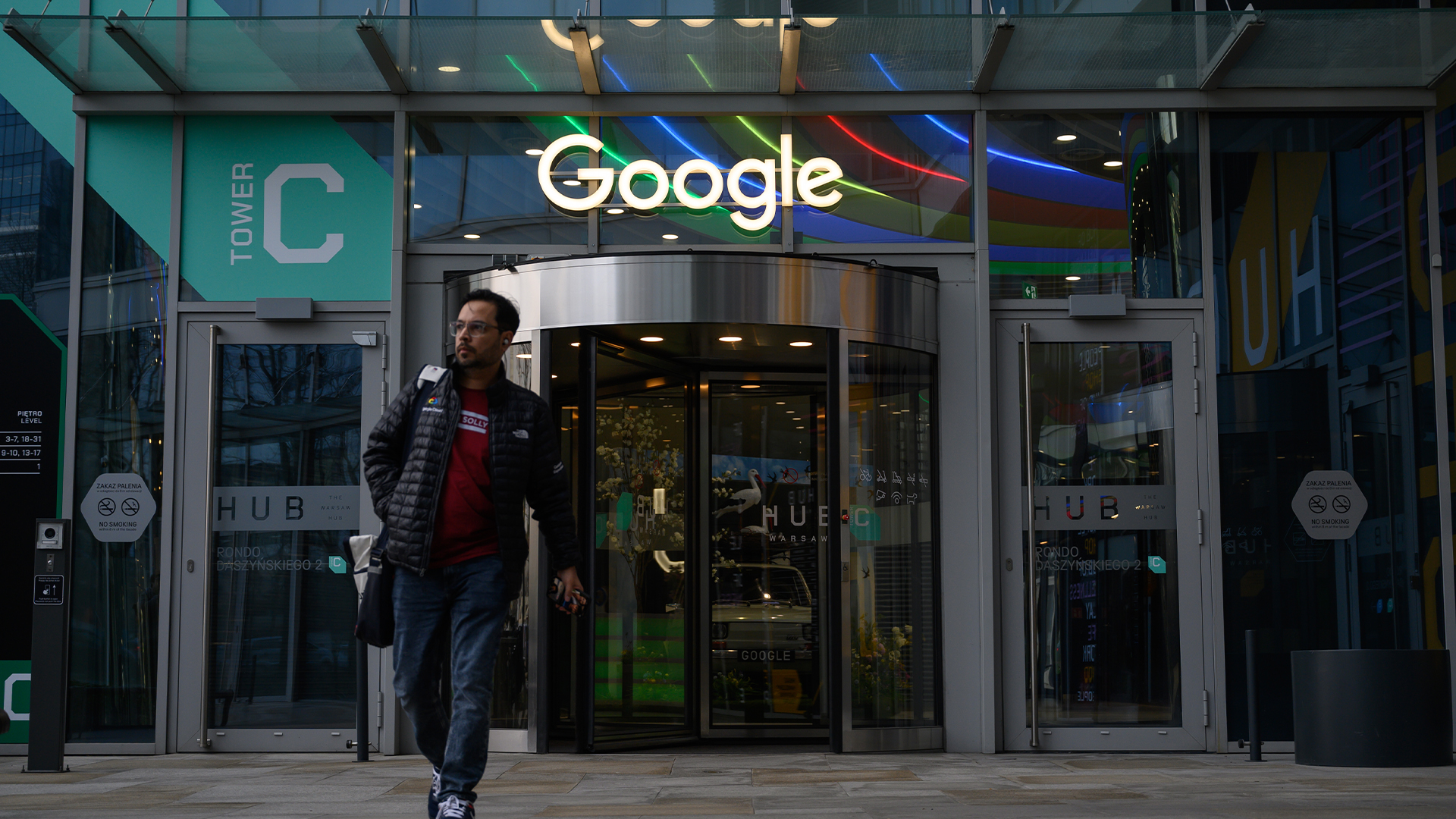
Google tells some remote workers to return to the office or risk losing jobsNews Google has warned remote workers will need to return to the office or else lose their jobs, according to reports.
-
Young tech professionals are shunning a full-time return to the office – unless it pays moreNews Young tech professionals who entered the workforce post-pandemic expect on-site work to be paid more than remote options.
-
IT professionals aren’t budging on flexible work demands – and more than half say they’ll quit if employers don’t meet expectationsNews Analysis from Randstad shows 40% of UK-based IT pros have quit over a lack of flexible work options, while 31% of workers globally have done the same.
-
'The tide seems to be turning towards office attendance': 64% of hybrid business leaders want staff back in the office – but many worry that enforcing RTO mandates will drive employees awayAnalysis Many UK business leaders want their staff back in the office more frequently, but they’re scared to implement return to office (RTO) mandates in fear of worker revolts.