Everything you need to know about Intel
An essential guide to Intel, a trailblazer in microprocessor innovation and a foundational force behind the evolution of modern computing and the personal computer industry


For more than 50 years, Intel has been a significant force in the semiconductor industry, shaping the course of modern computing. As one of the world's largest and most influential chipmakers, the company has been instrumental in the advancement of personal computers, the powering of data centers, and the creation of countless electronic devices that define the digital world.
Founded in 1968, Intel initially focused on memory chips before a pivotal shift in 1971 with the introduction of the Intel 4004, the first commercially available microprocessor. This innovation set the company on a new trajectory, leading to its dominance in the CPU market, which was solidified in the 1980s when IBM selected an Intel processor for its first personal computer.
Today, Intel's portfolio extends beyond microprocessors to include technologies for data centers, artificial intelligence (AI), 5G connectivity, and the Internet of Things (IoT). The company continues to invest in advanced chip manufacturing and new technologies like 3D packaging, playing a significant role in the development of a wide array of digital applications and devices.
Here, we explore the history, innovations, and far-reaching impact of this tech giant in shaping today’s digital world.
History of Intel

Intel co-founders Gordon Moore (left) and Robert Noyce founded Intel in 1968. Moore would go on to serve as executive vice president, president, CEO, and chairman of the board.
Intel was founded on July 18, 1968, by semiconductor pioneers Gordon Moore and Robert Noyce, both veterans of Fairchild Semiconductor. Initially incorporated under the name “NM Electronics” (after their surnames), the founders quickly decided on a more fitting title.
They chose “Intel,” a contraction of “Integrated Electronics,” and after acquiring the naming rights from the hotel chain Intelco, officially adopted the Intel Corporation name by the end of that month. Moore later served as executive vice president, became president and CEO in 1979, and stepped into the role of chairman before transitioning to chairman emeritus in 1997.
Intel at a glance
Founded: July 18, 1968
Founders: Gordon Moore and Robert Noyce
Current CEO: Lip-Bu Tan
Headquarters: Santa Clara, California, USA
Annual Revenue (2024): $53 billion
Number of Employees: The figure for the end of 2024 is 108,900. However, with announced layoffs in 2025 (expected to impact at least 8,000–10,000 more employees), the current number is likely lower but not yet officially reported.
Intel initially established itself as a manufacturer of memory chips, producing significant SRAM and DRAM products during its early years. In 1971, the company launched the Intel 4004, recognized as the world’s first commercially available microprocessor, which marked a pivotal shift in Intel’s focus and laid the groundwork for its future leadership in the CPU market.
Intel’s prominence grew notably during the 1980s after IBM selected Intel’s 8088 processor for its first personal computer, a decision that helped establish the “IBM PC compatible” standard. This move positioned Intel as a primary supplier for the rapidly expanding PC industry.
Throughout the 1990s, Intel introduced the Pentium processor and launched the “Intel Inside” marketing initiative, increasing brand recognition among consumers and reinforcing its standing within the technology sector.
In the 2000s, Intel expanded its product portfolio beyond microprocessors, entering markets such as data centers, AI, and the Internet of Things (IoT). Acquisitions like Altera in 2015 and Mobileye in 2017 have further enhanced Intel’s capabilities in AI and autonomous driving technologies.
Today, Intel is active across a range of technology areas, including cloud computing, 5G, and advanced chip manufacturing. The company remains a major player in the semiconductor industry and continues to influence the development of technologies that support a wide variety of digital devices and applications.
What does Intel sell?
Processor technology continues to be a central area of development for Intel, with ongoing investment in innovations such as Foveros, a 3D packaging technology that enables the stacking of multiple chips to improve flexibility, power efficiency, and performance. Intel’s product range covers both consumer and enterprise markets, delivering a broad selection of high-performance components.

Processor technology remains one of Intel's principle areas of investment and development, including 'Foveros', a 3D packaging technology designed to offer flexibility when combining several chips together.
Intel’s microprocessors (CPUs), which power desktops, laptops, and servers across various industries, remain a key part of its portfolio. These CPUs are complemented by Intel’s chipsets, which manage data flow between the processor, memory, and peripherals to optimize system performance.

A bond module carrier containing a single silicon photonics chip, developed to support next generation data centers and 5G deployments reliant on smaller form factors.
In graphics, Intel develops both integrated and discrete graphics processing units (GPUs). Integrated graphics are standard in many consumer computers, while discrete GPUs are aimed at more demanding applications, including gaming, AI, and professional visualization.
For storage solutions, Intel manufactures solid-state drives (SSDs) designed for high-speed, reliable data storage in both consumer and enterprise environments. These SSDs are widely used in data centers to support high-performance computing and cloud infrastructure.
In the area of networking and connectivity, Intel produces network interface controllers (NICs) for servers and data centers, as well as Wi-Fi and Bluetooth chipsets for consumer and Internet of Things (IoT) devices. These connectivity products are integral to wireless communication and support Intel’s presence in mobile and smart home technologies.
Intel also offers silicon photonics technology, which combines data processing with optical communication to enable high-speed data transfer over optical fibers. This technology is important for next-generation data centers and 5G deployments, particularly where compact and energy-efficient solutions are required.
Additionally, Intel provides system-on-a-chip (SoC) solutions that integrate multiple functions into a single chip for improved efficiency. These SoCs are used in a range of applications, from smartphones and embedded systems to industrial automation and smart appliances, delivering optimized performance and power management.
Intel maintains a presence in emerging technologies, including AI and machine learning, by developing both hardware and software solutions that accelerate AI workloads. The company’s field-programmable gate arrays (FPGAs), acquired through Altera, offer customizable processing for industries such as telecommunications, automotive, and healthcare, supporting adaptable solutions to meet diverse needs.
Intel mergers and acquisitions
Intel's strategic acquisitions have played a crucial role in expanding its technological capabilities and market presence. In 2015, Intel made a significant move by acquiring Altera for $16.7 billion. This acquisition allowed Intel to integrate field-programmable gate arrays (FPGAs) into its product lineup, enhancing its ability to offer customisable chip solutions that are critical for various applications in data centers and telecommunications.
RELATED WHITEPAPER

Two years later, Intel further broadened its technological horizon by purchasing Mobileye for $15.3 billion. This acquisition was pivotal in advancing Intel's position in the autonomous vehicle sector, providing essential technologies for driver assistance systems and self-driving cars.
In 2019, Intel continued its push into emerging technologies by acquiring Habana Labs for $2 billion, significantly boosting its AI capabilities with advanced AI processors designed for deep learning applications.
In 2020, Intel acquired Moovit for $900 million, integrating mobility-as-a-service solutions into its portfolio. This acquisition not only expanded Intel's presence in the transportation sector but also underscored its commitment to smart city technologies and the future of urban mobility. These strategic acquisitions reflect Intel's ongoing efforts to diversify its technological offerings and maintain its leadership in the semiconductor industry.
Intel’s 2021 acquisition of SigOpt, a company focused on model optimization for machine learning, underscored its commitment to supporting AI and data science advancements. SigOpt’s technology aids in improving the performance of machine learning models, further bolstering Intel’s capabilities in AI research and development.
In 2022, Intel acquired Granulate, a developer of real-time performance optimization software, for $650 million. Granulate’s software helps improve the efficiency of cloud applications, addressing the needs of enterprise customers who rely on high-performance computing and want to reduce cloud costs.
Intel’s mergers and acquisitions strategy has remained active and dynamic in recent years, continuing to shape the company’s technological direction and market reach.
In 2024, Intel acquired InAccel, a company specializing in FPGA acceleration and high-performance computing, as well as Silicon Mobility, which focuses on automotive semiconductors and smart mobility solutions. These deals reflect Intel’s ongoing commitment to expanding its capabilities in AI, cloud computing, and next-generation automotive technologies.
Looking ahead, Intel’s approach to mergers and acquisitions is increasingly balanced with strategic divestitures. Notably, in March 2025, Intel completed the sale of its NAND flash memory division to SK Hynix for approximately $8.85 billion, a process that began in 2020 and marked a significant shift in Intel’s business focus.
This divestiture allows Intel to concentrate more resources on its core processor and advanced technology segments, while SK Hynix assumes responsibility for the NAND business. Despite these divestitures, Intel continues to pursue targeted acquisitions that reinforce its leadership in areas such as AI, edge computing, and semiconductor innovation, ensuring it remains at the forefront of the global technology industry.
Key figures at Intel

Former Intel CEO Pat Gelsinger and then US President Joe Biden tour the site of Intel's $20 billion manufacturing plant in Licking County, Ohio.
Intel’s leadership team plays a central role in shaping the company’s innovation and strategic direction.
Lip-Bu Tan is the current CEO, having taken over in March 2025. He is leading a major restructuring of Intel’s management and strategy, with a focus on engineering talent, customer satisfaction, and the success of the foundry business.
David Zinsner serves as executive vice President and CFO. Zinsner joined Intel in 2022 and brings extensive financial experience from previous roles at Micron Technology and Analog Devices.
Michelle Johnston Holthaus is executive vice president and CEO of Intel Foundry, a new position reflecting Intel’s increased focus on its foundry operations.
Sachin Katti is the chief technology and AI officer, overseeing technology and AI initiatives across the company.
Sandra Rivera is executive vice president and general manager of the data center and AI group. Rivera has been with Intel for over 20 years and continues to advance the company’s data-centric strategy, leading efforts in AI and networking solutions.
Greg Lavender is CTO and senior vice president of the software and advanced technology group. Lavender joined Intel in 2021 and leads software development, focusing on Intel’s software strategy in AI, cybersecurity, and cloud computing.
In June 2025, Intel announced the appointment of Srinivasan Iyengar, Jean-Didier Allegrucci, and Shailendra Desai to senior engineering and networking roles, supporting the company’s renewed focus on innovation and customer engineering.
CEO Lip-Bu Tan has restructured Intel’s leadership to create a flatter, more agile executive team, with several business units now reporting directly to him. This includes the appointment of Pushkar Ranade as Chief of Staff and the integration of new technical leaders into the executive team.
What can customers expect from doing business with Intel?
Intel’s leadership team, now headed by CEO Lip-Bu Tan as of March 2025, brings deep technology expertise and a renewed focus on innovation and customer partnership. For CIOs and IT directors, collaborating with Intel delivers strategic advantages that go well beyond hardware procurement.
Central to Intel’s value proposition is its ongoing investment in research and development. In recent years, Intel has maintained robust R&D spending — totaling over $17 billion annually — to accelerate advancements in computing, AI, and semiconductor manufacturing. This commitment to innovation ensures customers have access to the latest technologies and solutions.

Michelle Johnston Holthaus, Intel's EVP of client computing group, showing off Intel's Lunar Lake processor range at the Intel Technology Tour in Taipei, May, 2024.
Although the initial costs of Intel solutions may be higher compared to some alternatives, they often provide superior long-term value through enhanced performance, energy efficiency, and extended product life cycles. This translates to an optimized Total Cost of Ownership (TCO), making Intel products a prudent choice for organizations focused on sustainable growth.
Sustainability is another key area of focus for Intel. By 2023, Intel achieved 99% renewable electricity usage in its factories, furthering its commitment to responsible business practices and supporting corporate Environmental, Social, and Governance (ESG) objectives. These efforts align with the increasing importance C-suite leaders place on sustainability and ethical operations.
Intel also offers transparency in its product roadmap and maintains extensive ecosystem partnerships. For IT leaders, this means access to valuable resources that help align technology strategies with Intel’s upcoming innovations. Such foresight enables smoother transitions, better compatibility with existing systems, and reduced operational disruption.
Additionally, Intel continues to expand its portfolio in areas such as AI, cloud computing, and advanced chip manufacturing. The company’s broad range of solutions supports a wide variety of digital devices and applications, helping customers stay at the forefront of technological change.
Customers doing business with Intel can expect a partnership grounded in innovation, sustainability, and long-term value. With a clear product roadmap, strong ecosystem relationships, and a focus on responsible business practices, Intel remains a trusted technology partner for organizations worldwide.

-
 A spate of cyber attacks has rocked Japan
News With over 100 cyber attacks impacting major sectors this year, Japan’s ruling party is calling for an emergency taskforce to strengthen AI defenses
-
 Top takeaways: The AI tokenomics challenge
Feature Why invisible metering, compounding agentic workflows, and production scale turn enterprise AI into an open tab – and how leaders can govern for measurable value


-
 Intel to axe 24,000 roles, cancel factory plans in sweeping cost-cutting move
News Despite better than expected revenue in its Q2 results, the chip giant is targeting a leaner operation
-
Intel makes high-level hires while factory workers are warned of layoffs
News The company is appointing four senior executives as part of efforts to refocus on engineering and customer relationships
-
 Intel layoffs confirmed as CEO eyes 'sustainable growth'
Intel’s new CEO Lip-Bu Tan has confirmed the company will be cutting its headcount in response to sluggish revenue.
-
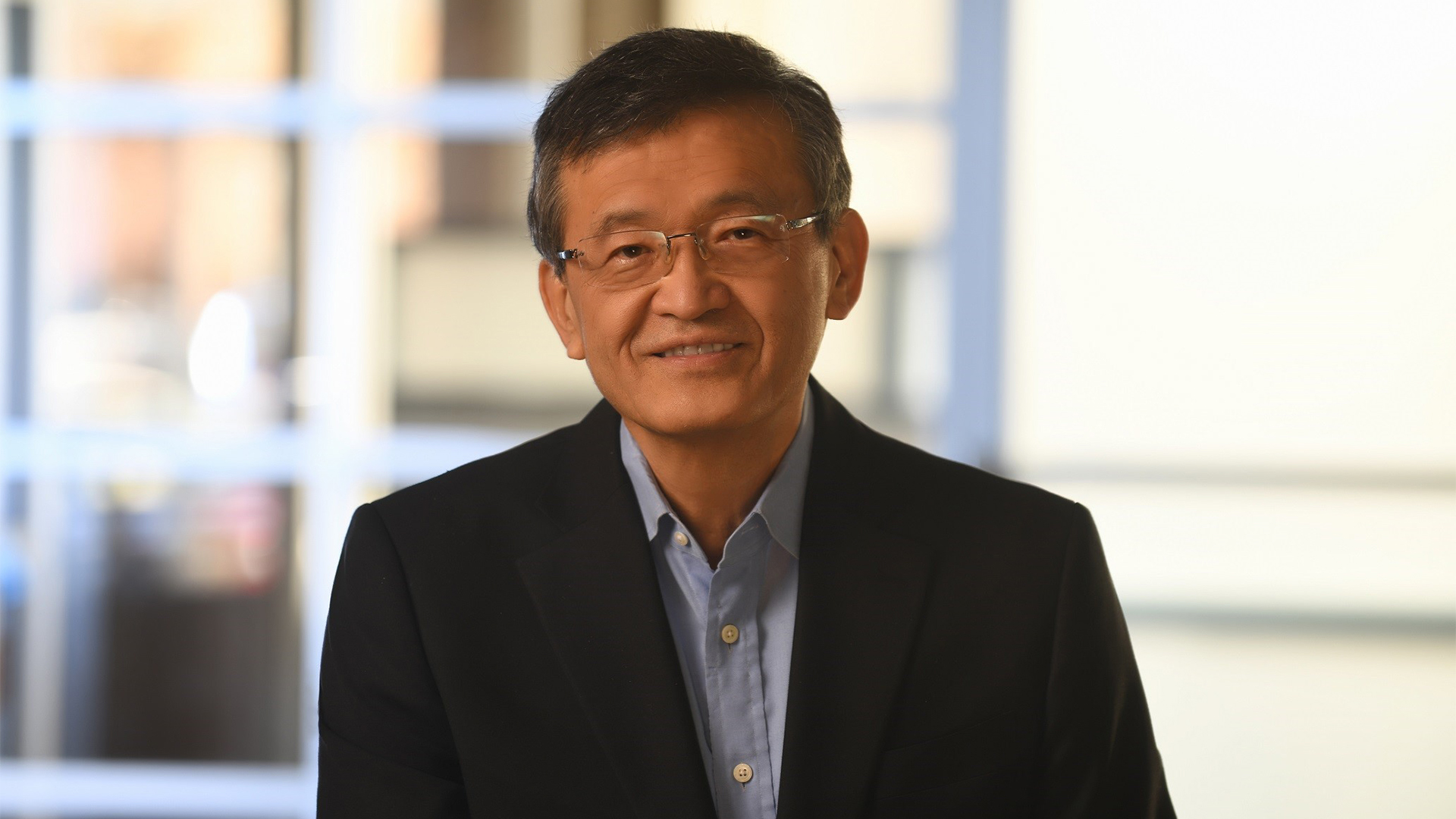 Everything you need to know about Lip-Bu Tan, Intel’s new CEO
News Intel has announced its next CEO in the wake of Pat Gelsinger's retirement, naming former board member Lip-Bu Tan as its new leader months after he quit.
-
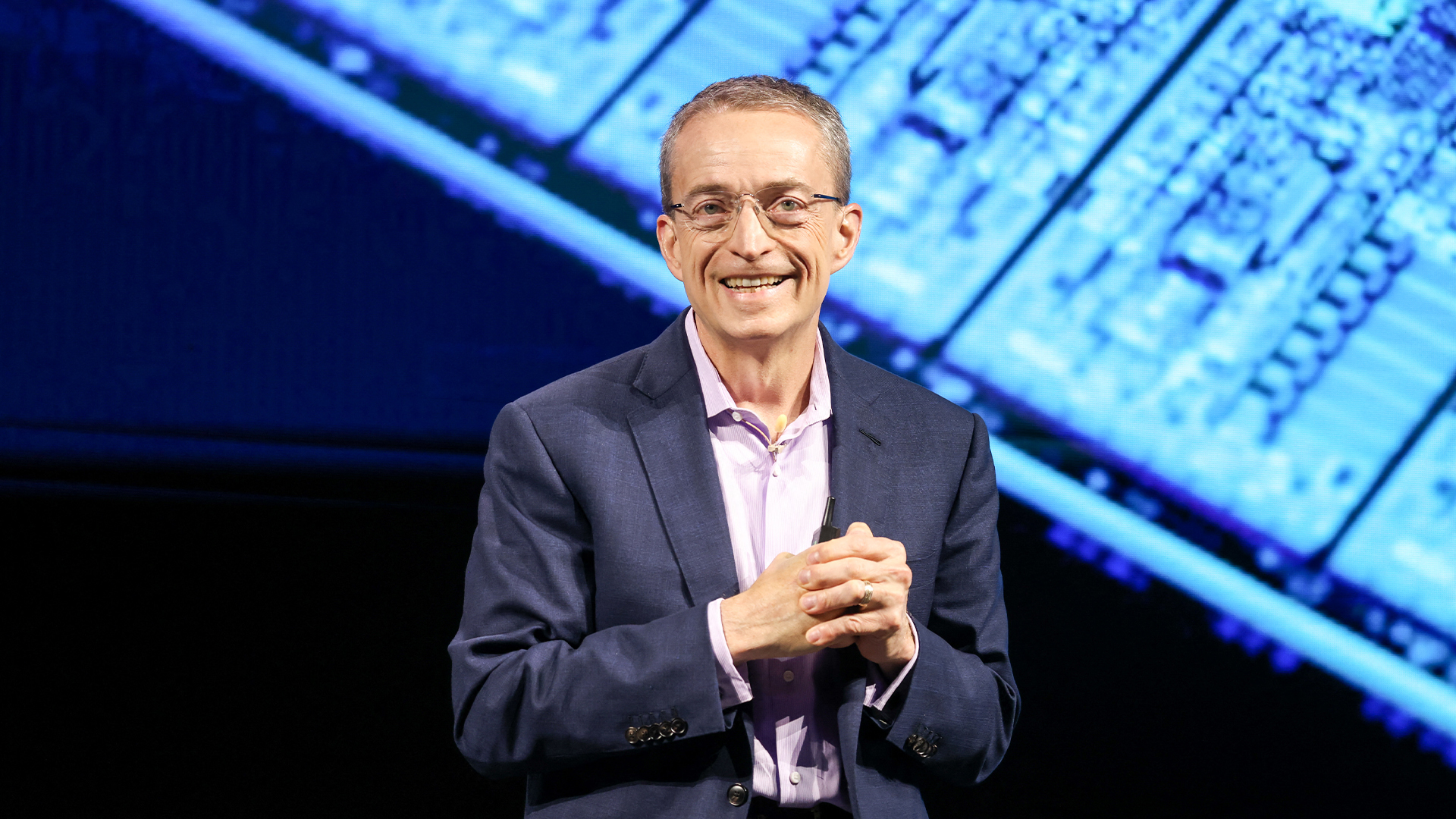 Intel CEO Pat Gelsinger announces retirement
News Gelsinger’s departure comes amid a tumultuous period at Intel
-
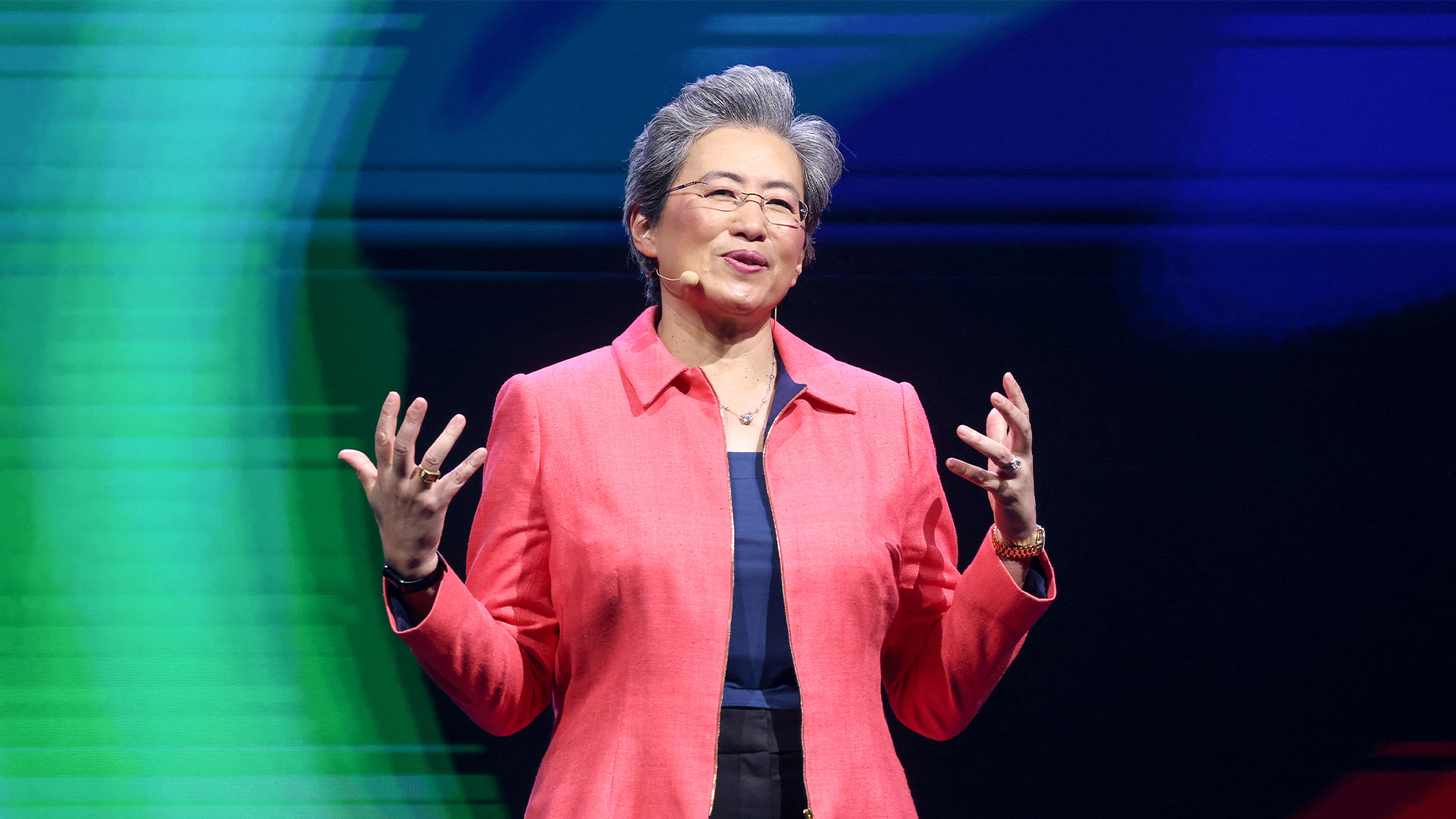 AMD to cut around 1,000 staff to focus on "growth opportunities"
News The AMD layoffs come after rival Intel cut staff on the back of flagging AI returns
-
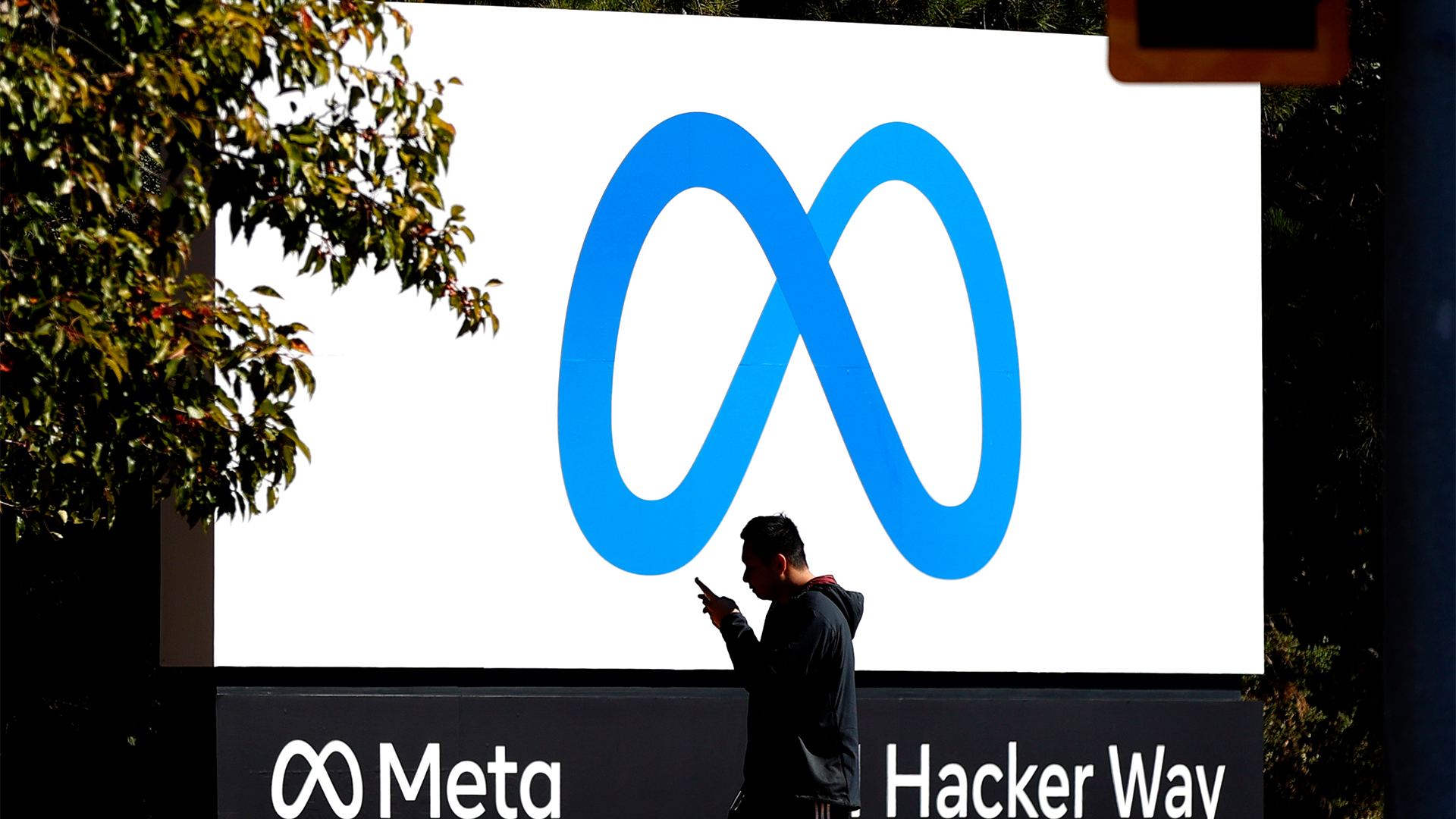 Meta layoffs hit staff at WhatsApp, Instagram, and Reality Labs divisions
News The 'year of efficiency' for Mark Zuckerberg continues as Meta layoffs affect staff in key business units
-
 The power and the pain: Looking forward so you’re not held back
Avoiding server modernization may seem like a cost-saving strategy, but the hidden risks of downtime, security breaches, and operational inefficiencies can quickly become far more costly…


