Google Cloud's record results can't quiet concerns on AI spending and model release timelines
Sundar Pichai defended the cost of AI rollouts and delays to frontier models following quarterly results


-
 NetApp partners with emma to to bring sovereign AI to European businesses
News A new joint solution pairs NetApp’s high-performance storage capabilities with emma’s cloud operations platform and GPU capacity
-
 HPE is taking AI to the moon
News The HPE Spaceborne Computer-4 will be used to conduct AI and HPC tests on the lunar surface


-
 Google Cloud and Accenture launch new business group to embed forward deployed engineers with customers
News The move by the duo aims to drive adoption of Gemini Enterprise AI tools
-
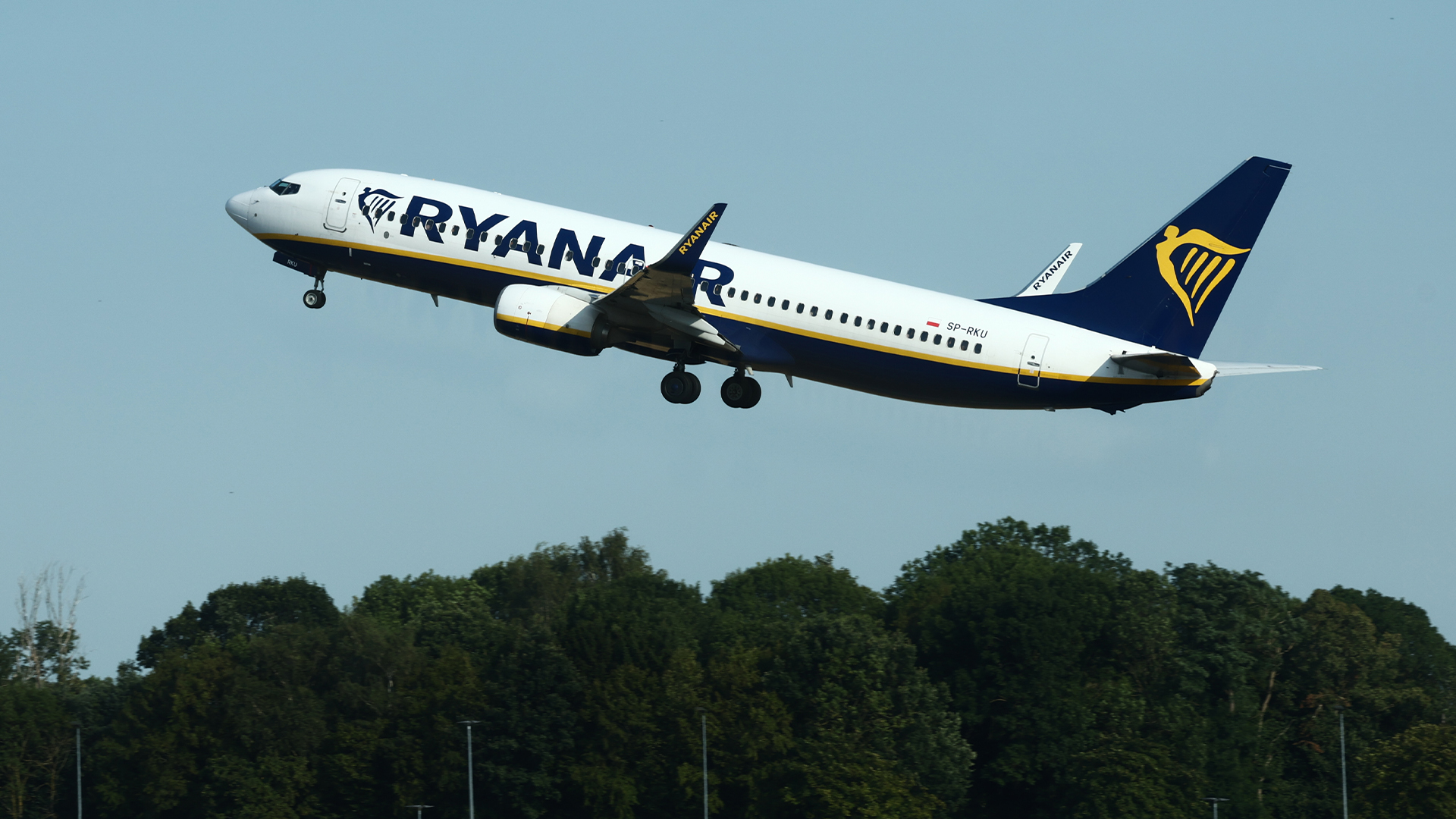 Ryanair is taking AI to the skies with Google Cloud
News The budget airline has added Google Cloud to its cloud roster and rolls out Gemini AI to staff
-
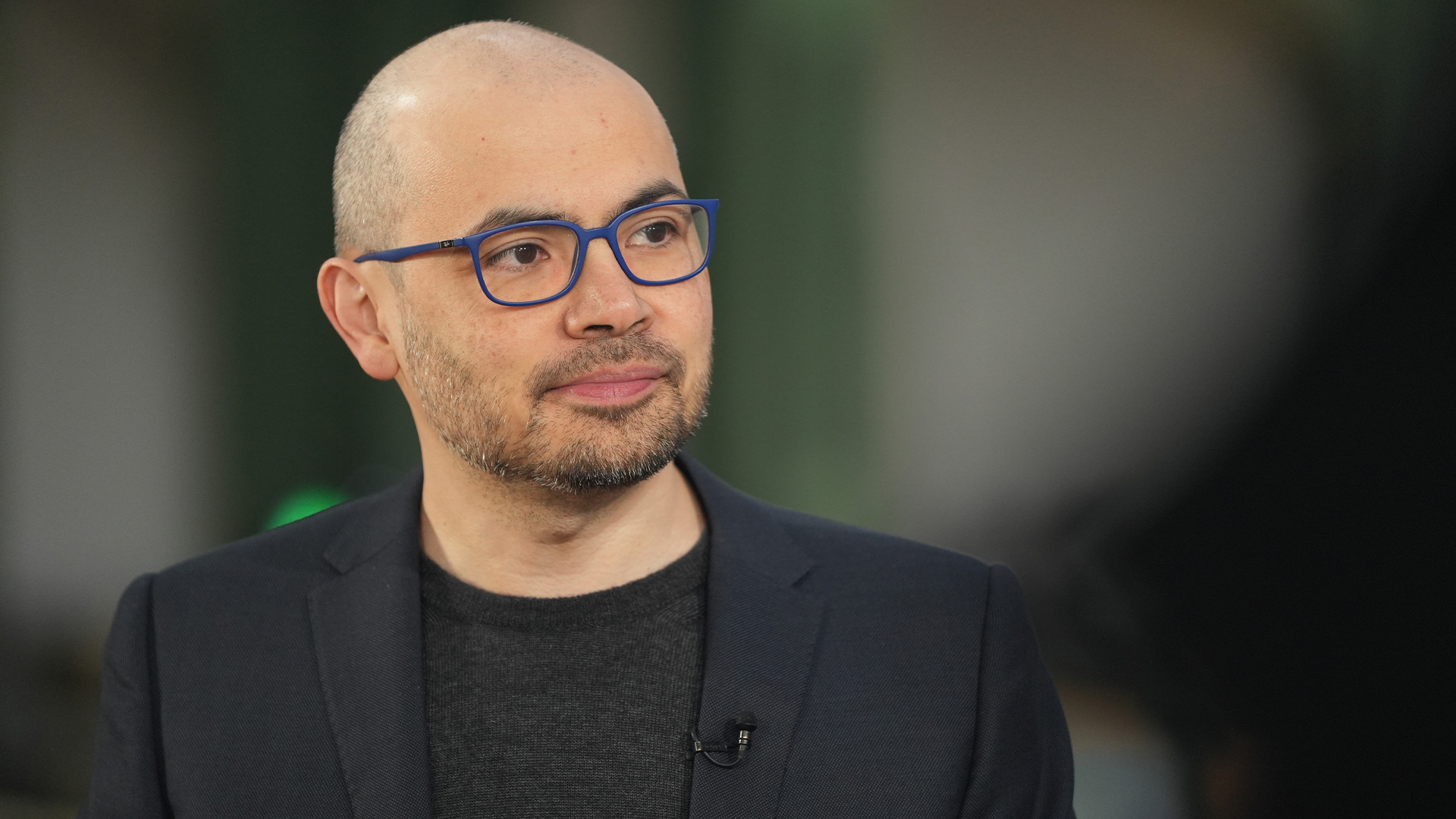 DeepMind CEO Demis Hassabis steps aside amid Google leadership shake-up
News Google loses Jeff Dean after nearly three decades, while Demis Hassabis shifts to longer term work
-
 AI projects are stalling at mid-market firms – Google Cloud and Accenture want to solve that
News The new scheme aims to help mid-market companies move from pilot to production faster than ever before
-
 Google facing massive EU fine as it appeals search suit in US
News The European Union is said to be looking to avoid a big fine, but that may require Google to agree to changes
-
 Big tech earnings: Hyperscaler growth rates impress, but concerns remain over surging infrastructure capex
News Concerns remain over big tech infrastructure spending despite positive earnings reports
-
 Openreach targets emissions reductions, faster broadband roll-out with Google Cloud deal
News The telecoms giant has built digital twins of the UK’s “key transportation corridors” to identify regions for infrastructure upgrades
-
 ‘We must lead this shift’ Unilever taps Google Cloud to supercharge business transformation and pioneer 'agentic commerce'
News The deal will create a new model for how consumer packaged goods brands are discovered and bought, according to Unilever


