UK firms are automating roles, but nowhere near ready to outright replace them
ONS figures show that organizations are automating tasks, rather than entire jobs


-
 A spate of cyber attacks has rocked Japan
News With over 100 cyber attacks impacting major sectors this year, Japan’s ruling party is calling for an emergency taskforce to strengthen AI defenses
-
 Top takeaways: The AI tokenomics challenge
Feature Why invisible metering, compounding agentic workflows, and production scale turn enterprise AI into an open tab – and how leaders can govern for measurable value


-
 A big tech taskforce has unveiled a blueprint for UK AI leadership – but time for action is running out
News Success depends on deeper collaboration between government, industry, local leaders and communities
-
 Microsoft says AI is causing a workforce rupture among British businesses – leaders are backing the technology, but workers still aren’t sold
News New Microsoft research shows a huge disconnect between leadership and employees when it comes to confidence in the UK leading in AI
-
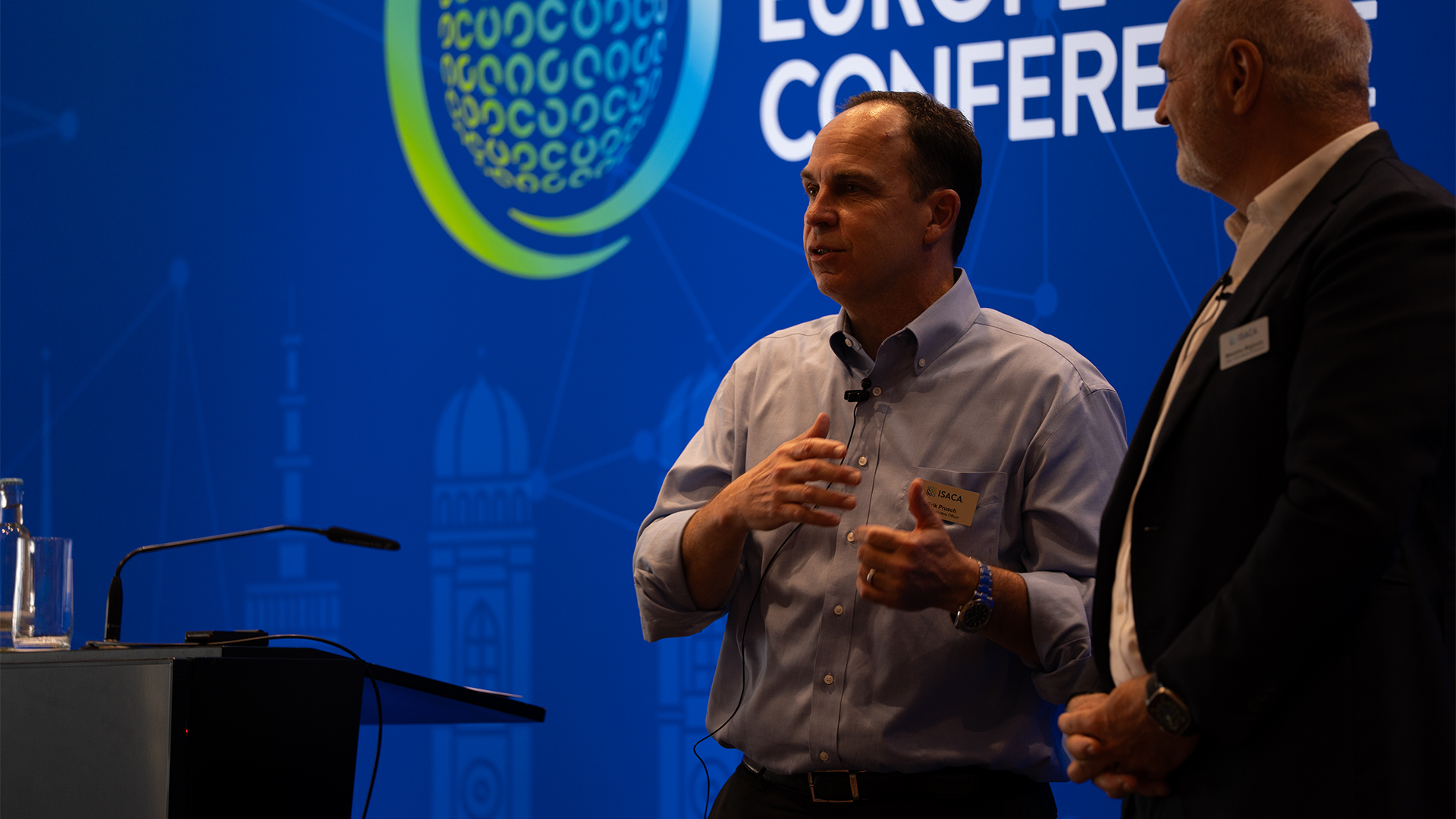 ISACA CEO says AI compliance will be like 'SOX on steroids'
News Businesses will need to do far more work in far less time to meet stringent regulations
-
 ‘The most useful thing a leader can do right now is admit the plan is unfinished’: Workers are being told to use AI, but not why to use it – here’s why that matters
News A Culture Amp survey shows workers are eager for AI tools, but they'd like to know the business goal of the technology
-
 AI skills investment could boost the UK economy by £80 billion – but there's still a long way to go before firms can capitalize on the technology
News Researchers are calling for a Skills Tax Credit to incentivize employers
-
 An AI kill switch ‘only solves half the problem’ with national security – British firms need to reduce reliance on foreign tech
News Efforts to protect national security are welcomed, but bolstering sovereignty is also required
-
 Poor business context is scuppering enterprise AI adoption – here’s why that matters
News Research from Alteryx has found that more than half of organizations can't effectively operationalize the business knowledge AI needs
-
 Manchester University: from AI initiators to AI integrators
Case Study The institution where Alan Turing first addressed the topic of artificial intelligence is rolling out Microsoft 365 Copilot access to 65,000 staff


