Enterprises are concerned about ‘critical shortages’ of staff with AI ethics and security expertise
Tech leaders are reporting higher demand for AI literacy and “human skills”


-
 PHP vulnerabilities spark global scramble as websites taken down
News The impact of critical PHP vulnerabilities has been felt worldwide
-
 Veeam launches new global program for sovereign service providers
News The initiative introduces a new competency to help customers identify local providers with the expertise to address data sovereignty requirements


-
 Microsoft says AI is causing a workforce rupture among British businesses – leaders are backing the technology, but workers still aren’t sold
News New Microsoft research shows a huge disconnect between leadership and employees when it comes to confidence in the UK leading in AI
-
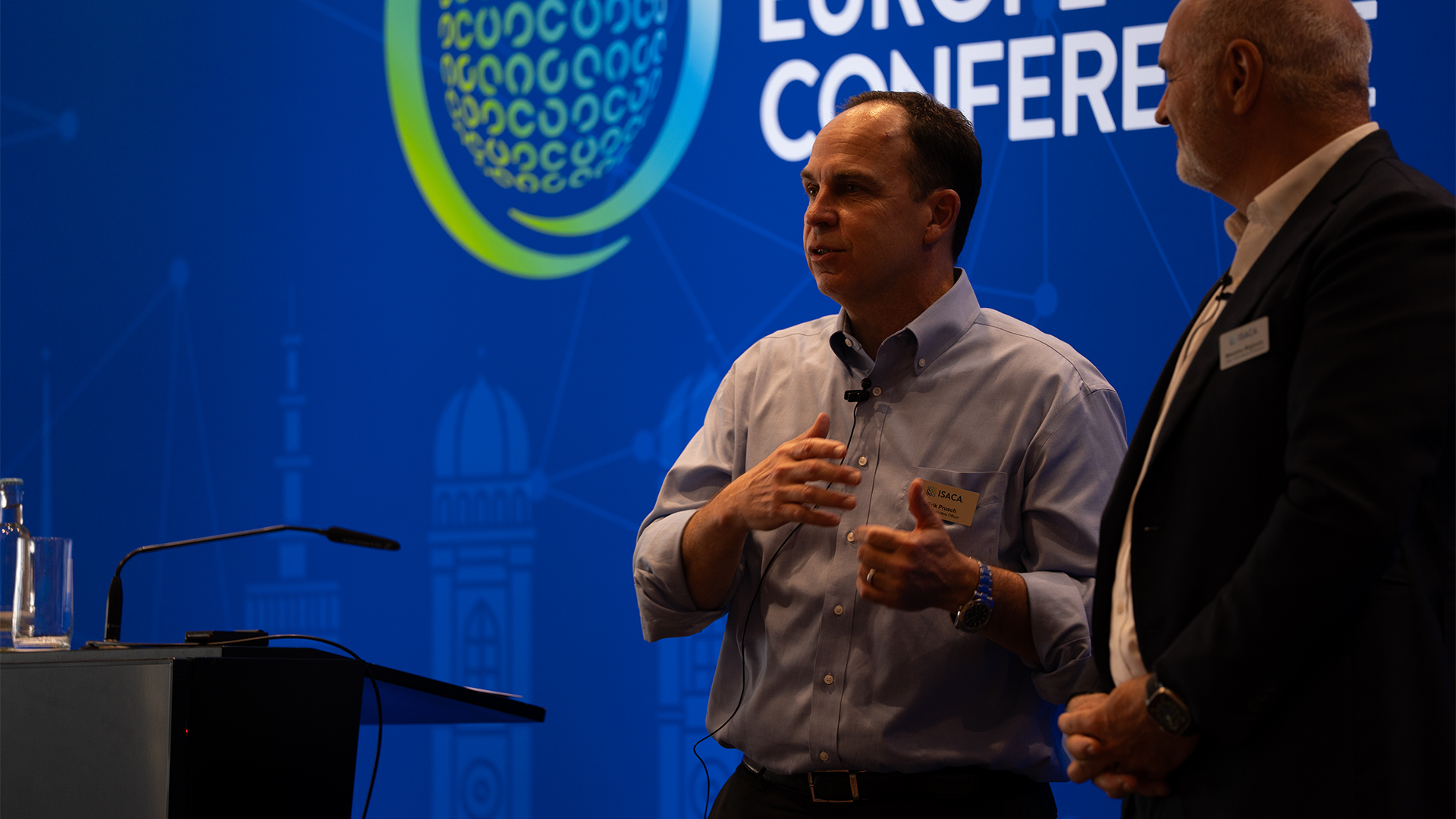 ISACA CEO says AI compliance will be like 'SOX on steroids'
News Businesses will need to do far more work in far less time to meet stringent regulations
-
 ‘The most useful thing a leader can do right now is admit the plan is unfinished’: Workers are being told to use AI, but not why to use it – here’s why that matters
News A Culture Amp survey shows workers are eager for AI tools, but they'd like to know the business goal of the technology
-
 AI skills investment could boost the UK economy by £80 billion – but there's still a long way to go before firms can capitalize on the technology
News Researchers are calling for a Skills Tax Credit to incentivize employers
-
 An AI kill switch ‘only solves half the problem’ with national security – British firms need to reduce reliance on foreign tech
News Efforts to protect national security are welcomed, but bolstering sovereignty is also required
-
 Poor business context is scuppering enterprise AI adoption – here’s why that matters
News Research from Alteryx has found that more than half of organizations can't effectively operationalize the business knowledge AI needs
-
 Manchester University: from AI initiators to AI integrators
Case Study The institution where Alan Turing first addressed the topic of artificial intelligence is rolling out Microsoft 365 Copilot access to 65,000 staff
-
‘Real-time data remains the voice that every leader must hear’: This one engineering role could be the key to building a truly data-driven enterprise
News AI has increased the expectation for fast, or even instant, decisions. Data streaming engineers could help leaders keep pace


