
IBM has signed a three-year agreement with HSBC to develop quantum computing applications for the finance industry.
As part of the deal, HSBC will join IBM’s Quantum Accelerator program, allowing it access to the firm’s premium quantum computing systems, which includes the recently announced 127-qubit processor Eagle.
RELATED RESOURCE
The new normal: The future role of finance
The changing role of the finance function during business disruption
"By investing in quantum computing we are innovating for the future, to make banking easier for our customers,” said Colin Bell, HSBC Europe CEO.
“This technology has the potential to transform how we run areas of the bank by addressing challenges which classical computers may never be able to solve, alone. Our work with IBM, a leading provider of quantum computing, is essential to harnessing this potentially game-changing technology for financial services,” added Bell.
In addition to optimizing pricing and services, HSBC will leverage quantum computing to identify and combat fraudulent activity, and further its net zero goals.
The bank also intends to upskill its employees through internal training programs and besides recruiting quantum computing researchers to build a dedicated quantum research capability within its innovation team.
"Financial institutions and organizations around the world are eagerly awaiting real-world applications of quantum computing and exploring industry applications for quantum computing should be a key tenet of any enterprise strategy today," said Dr. Darío Gil, senior vice president and director of IBM Research.
"We are excited to team with HSBC to explore applications of quantum technology to their business operations and help turn their aspirations into reality."
-
 5 reasons every AI team needs a deskside agentic AI accelerator like the Dell Pro Max with GB10
Sponsored The Dell Pro Max with GB10 can help enterprises kickstart and scale their agentic AI adoption journey
-
 10 reasons to choose the Dell Pro 5 for your business
Sponsored The Dell Pro 5 laptop is a productivity powerhouse, hitting the sweet spot businesses like yours


-
 FCA recommends expanded powers to boost financial services AI regulation
News The regulator has called for another review about whether AI needs to be regulated
-
 Yorkshire Building Society touts customer service gains with AI agents
News The firm said that agents Penelope, Sam, and Alf are helping improve customer service, while adhering to high levels of regulation
-
 How AI code is changing software development
ITPro Podcast At firms like OpenAI the majority of code is now generated with AI tools
-
 Managing tech costs in a volatile market
ITPro Podcast Rising energy prices and sprawling cloud environments make the jobs of CIOs and CFOs harder than ever
-
 Nationwide forges closer ties with AWS in cloud transformation push
News The building society is “consolidating and modernizing” cloud infrastructure and focusing heavily on internal skills development
-
 Finance and security leaders are odds over cyber priorities, and it’s harming enterprises
News Poor relations between the departments can be solved by CISOs talking in a language CFOs understand
-
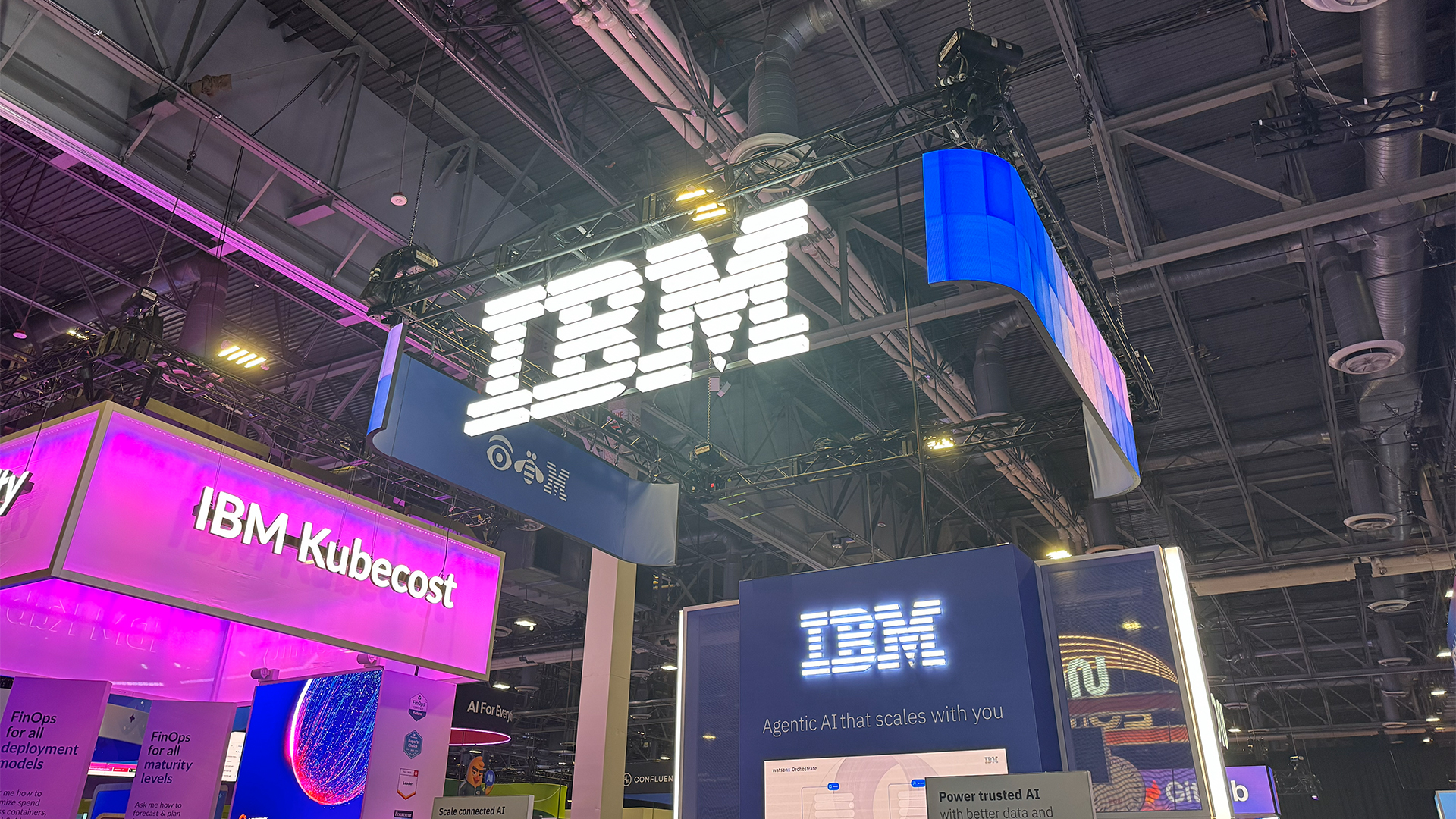 IBM’s Confluent acquisition will give it a ‘competitive edge’ and supercharge its AI credentials
Analysis IBM described Confluent as a “natural fit” for its hybrid cloud and AI strategy, enabling “end-to-end integration of applications, analytics, data systems and AI agents”.
-
 IBM layoffs loom as ‘single-digit percentage’ of global workforce set for cuts
News Headcount at the cloud giant has been decreasing steadily in recent years


