NSA uncovers new "critical" flaws in Microsoft Exchange Server
Federal government orders all agencies to install fixes as the FBI scrambles to remove backdoors

Microsoft released three new patches for its Exchange Server software on Tuesday after the National Security Agency (NSA) alerted the company to a fresh batch of critical vulnerabilities.
The new fixes are for three versions of Exchange Server - 2013, 2016 and 2019 - and the flaws are said to be different vulnerabilities to the ones disclosed in March. However, US agencies continue to find and remove vulnerabilities in their systems a month after the previous flaws were first discovered.
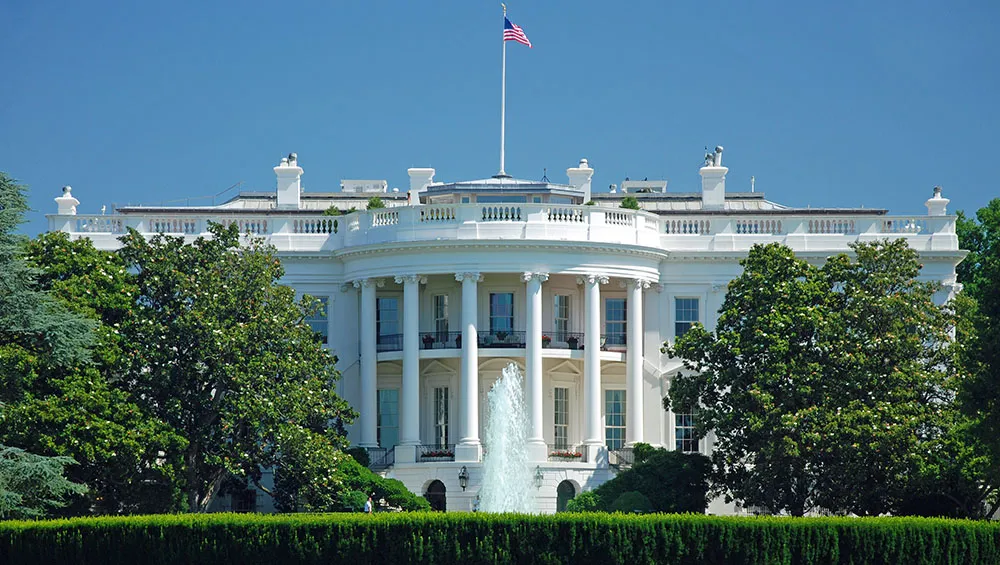
In response to the release of new fixes, the White House ordered all its agencies to install them, warning that the vulnerabilities "pose an unacceptable risk" to Federal operations.
Microsoft's Exchange Server email and calendar software is mostly used in on-premise data centres. The popularity of the system was highlighted by the number of reported breaches the followed the discovery of the initial flaws.
"Microsoft released a set of Exchange patches today that are critical," a White House statement read. "We urge all owners and operators of Microsoft Exchange Servers to apply these latest patches immediately. The US government will lead by example - we are requiring all agencies to immediately patch their Exchange servers, as well."
The business guide to ransomware
Everything you need to know to keep your company afloat
Exchange Server vulnerabilities have caused issues for a number of organisations around the world, with many servers having already been breached and still vulnerable via embedded back doors. China state-sponsored hacking group Hafnium was spotted by Microsoft using the vulnerability to break into Exchange Servers to view or steal contents.
These vulnerabilities were patched by Microsoft, but backdoors embedded in breached servers were not closed. Within a few days, other hacking groups began hitting compromised servers with the same flaws to deploy ransomware.
As a result, a US court has had to authorise an FBI operation to "copy and remove" backdoors from hundreds of Exchange Servers. The Justice Department said the operation was "successful", but it only removed backdoors and did not patch the vulnerabilities exploited by the hackers or remove any malware that may have been left behind.

-
 TfL takes Oyster photocard systems offline following breach
News Security experts warn the Oyster photocard breach could lead to follow-up attacks on victims
-
 Irish credit unions hit by data breach after IT provider compromised
News Wellington IT reportedly delayed alerting customers by multiple weeks


-
 Work and innovate everywhere
whitepaper Protection across AI attack vectors
-
 Microsoft admits users received unexpected upgrades to Windows Server 2025
News Admins spotted last week that Windows Server 2022 had suddenly become 2025
-
 AMD and DoiT partner to help Google Cloud customers maximise performance
News The collaboration also aims to reduce costs and improve the security of cloud workloads running on Epyc
-
 Acer confirms breach after cyber attack on Indian servers
News The attackers claim the data belongs to several million customers
-
 T-Mobile confirms hackers accessed 47.8 million customer records
News A preliminary assessment by the US operator found that the stolen data includes SSN and driver’s license information
-
 T-Mobile confirms it was hit by a data breach
News The US operator has not yet determined if there is any personal customer data involved
-
 Ryuk ransomware is now targeting web servers
News Researchers discover that new functionality has been added to the malware to increase damage
-
 Microsoft Teams suffers its second outage this month
News The global outage is preventing users from logging in and sending messages


