-
 AWS becomes first hyperscaler to secure 'NATO Restricted' approval
News The move means NATO member states and defense partners can host highly sensitive data in AWS’ cloud services
-
 How Dell PowerStore complements and supports the new world of virtualization and containers
Whitepaper As organizations shift toward cloud-native architectures, Dell PowerStore tames IT complexity by unifying legacy VMs and Kubernetes on a single, high-performance NVMe platform


-
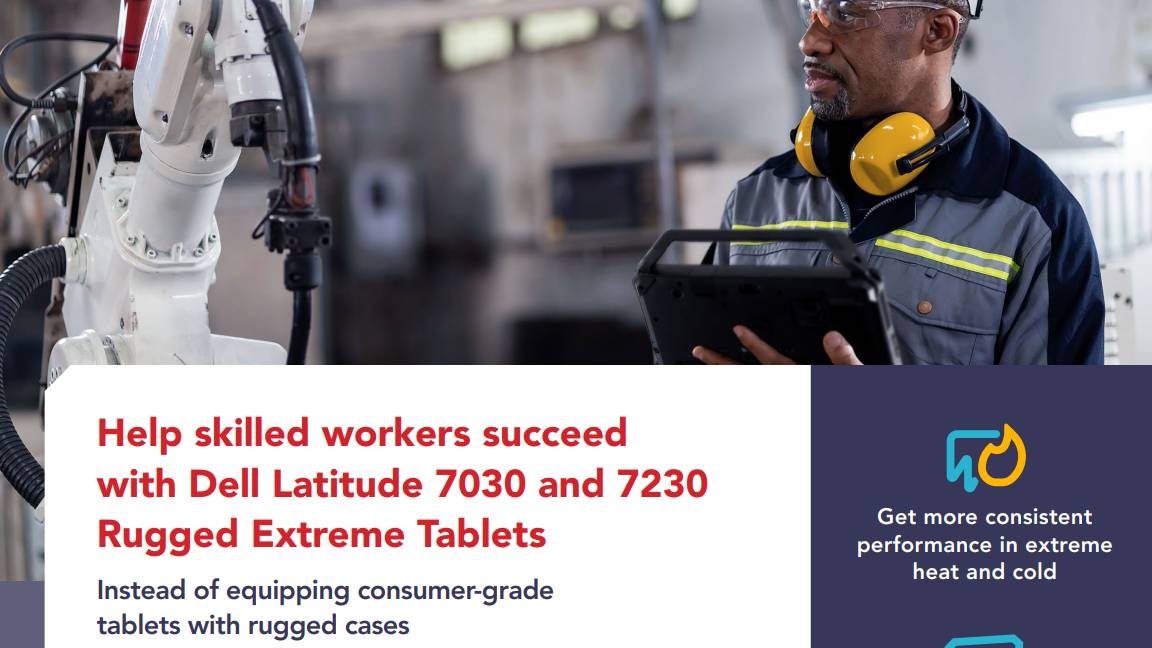 Help skilled workers succeed with Dell Latitude 7030 and 7230 Rugged Extreme tablets
whitepaper Help skilled workers succeed with Dell Latitude 7030 and 7230 Rugged Extreme tablets
-
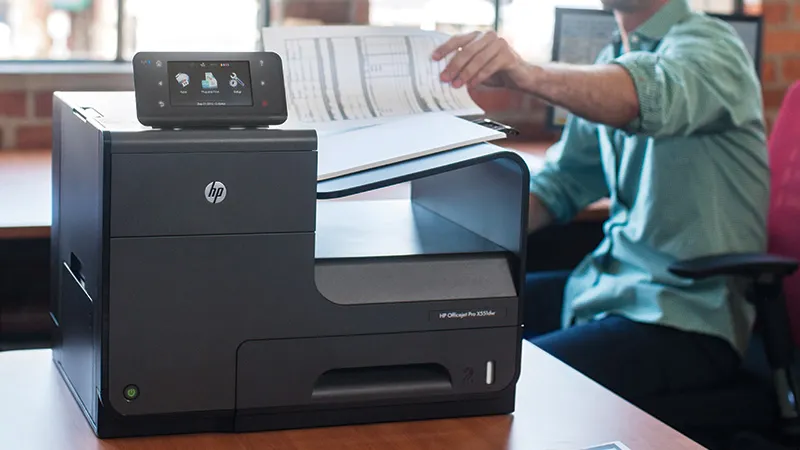
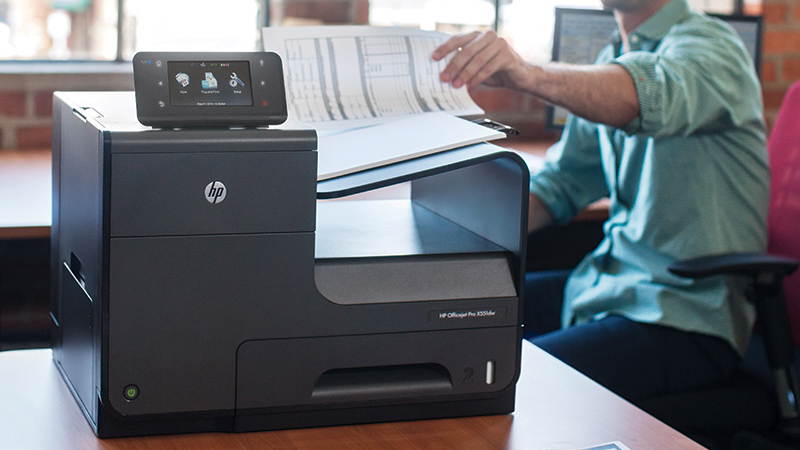 Laser printers vs Inkjet: Which is best for the workplace?
In-depth You should always use a laser printer over an inkjet for business, right? Not necessarily
-
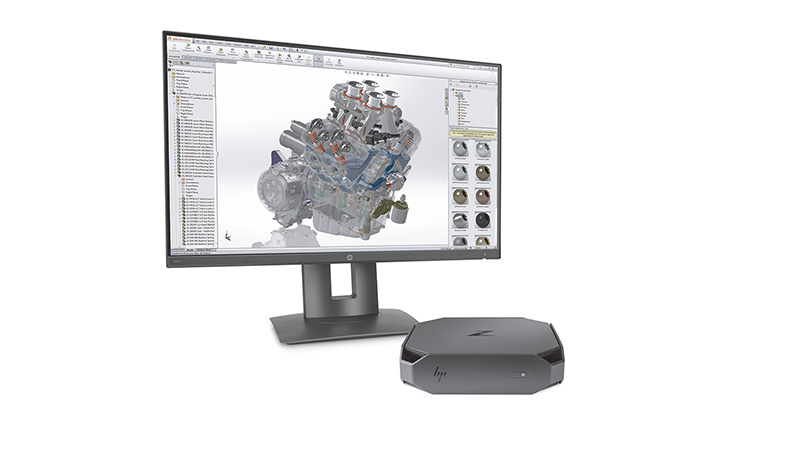 Big data, no problem
Sponsored When it comes to crunching data there's no such thing as too much power.
-
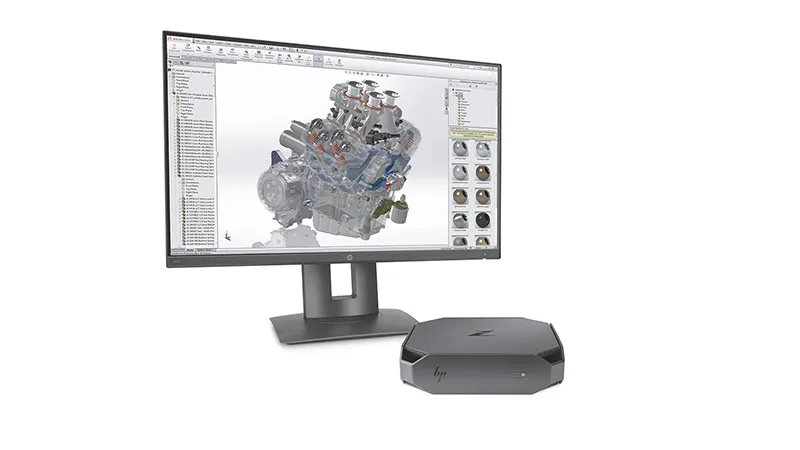
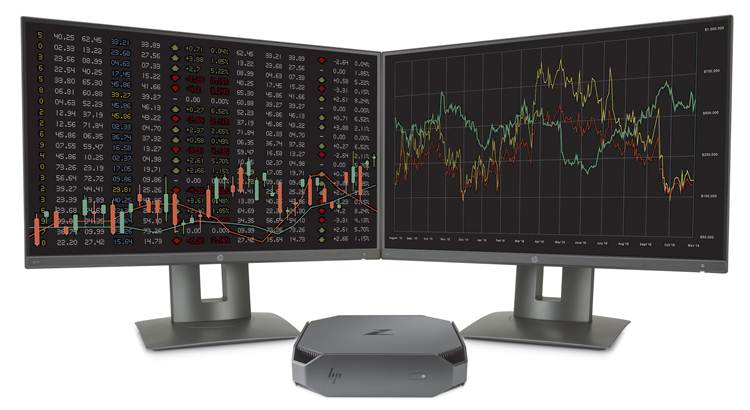 Big power in a small box
Sponsored Crunching huge amounts of data needs a very powerful workstation.
-
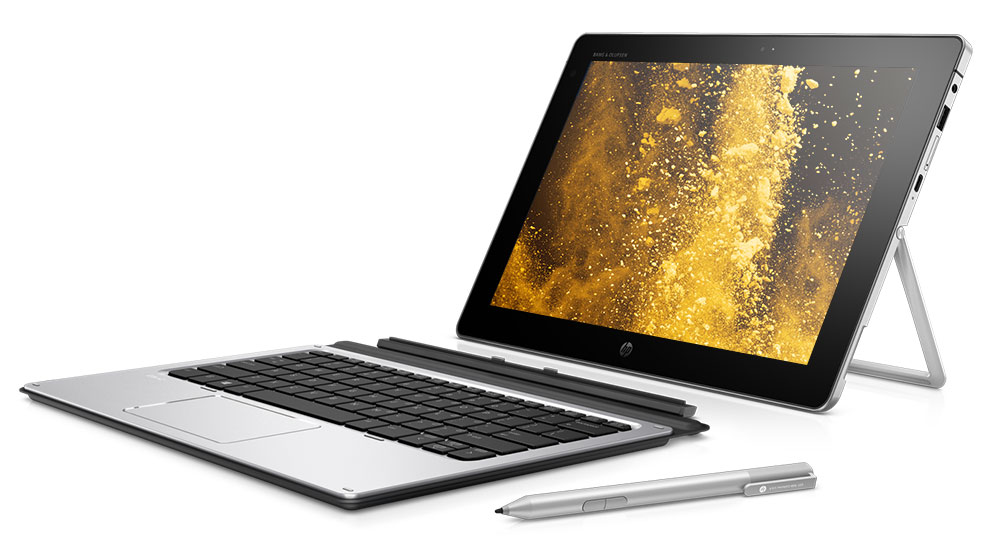 Making the move to a 2-in-1 device
Sponsored Is HP's flagship 2-in-1 the ideal device for a busy, mobile business user?
-
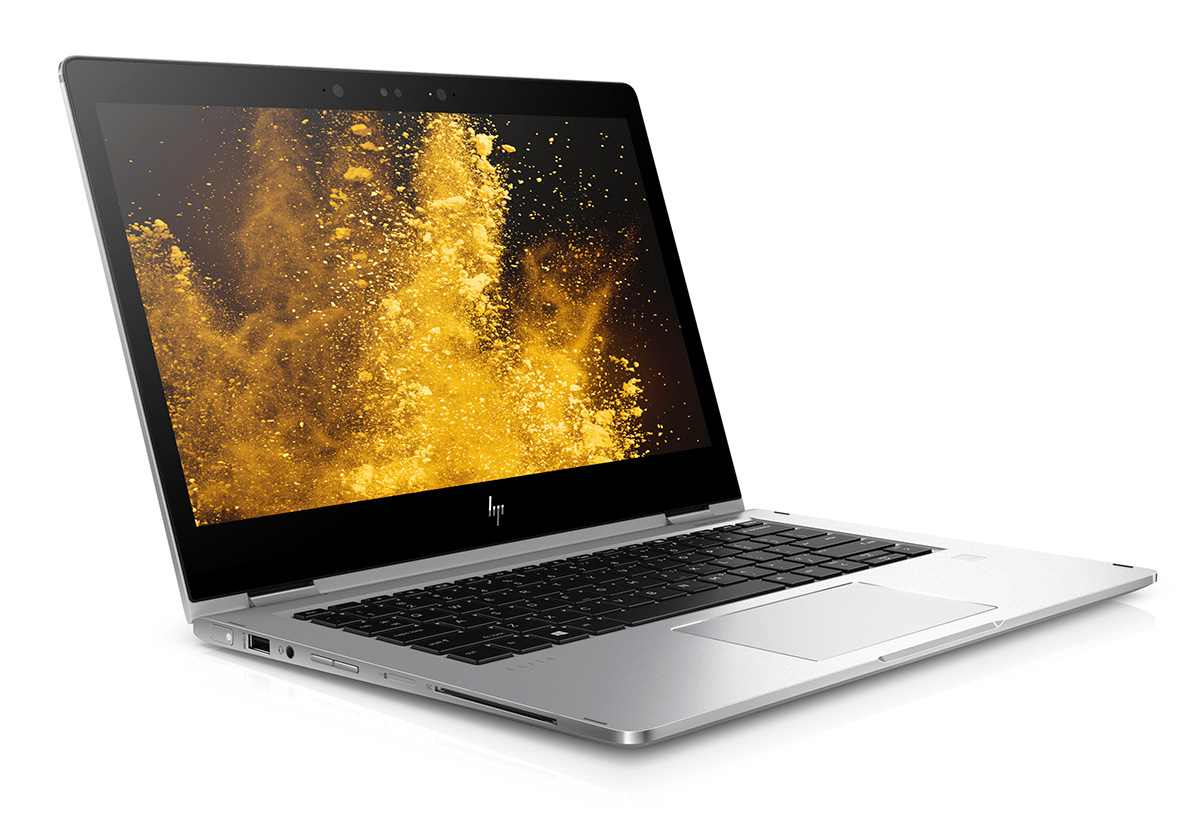 Living with a convertible laptop: part 1
Sponsored No more carrying a laptop and tablet, it's time to try something new.
-
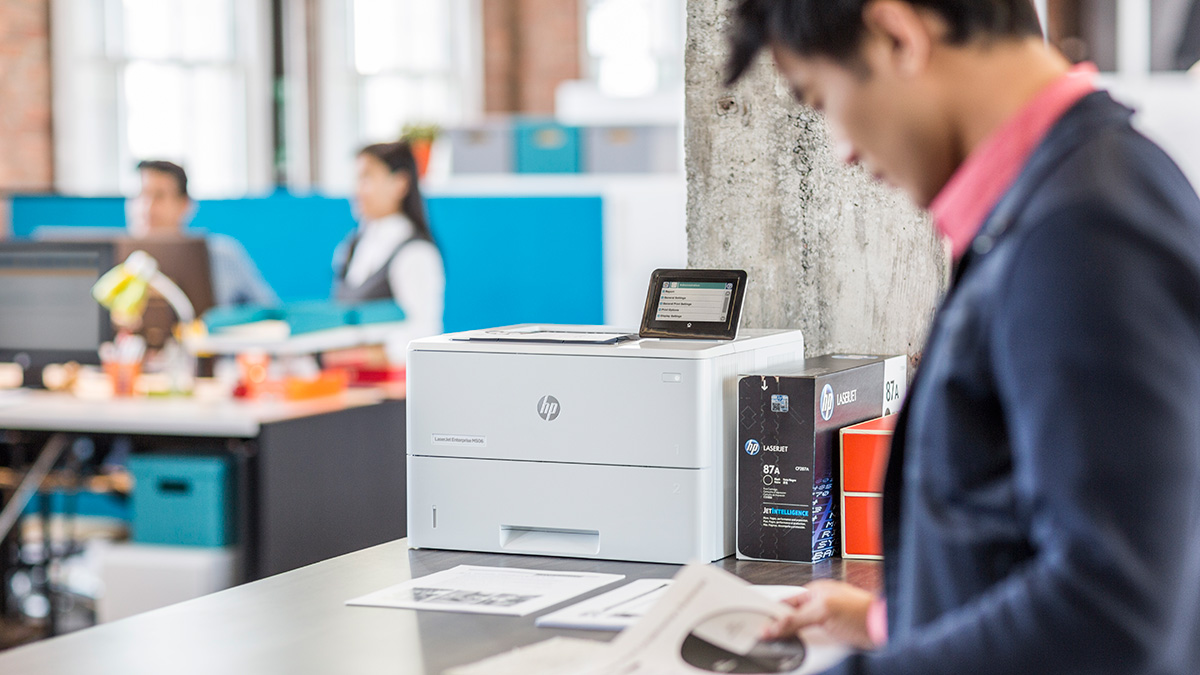 The evolution of managed print services
Sponsored The way we work is changing, and so is MPS.
-
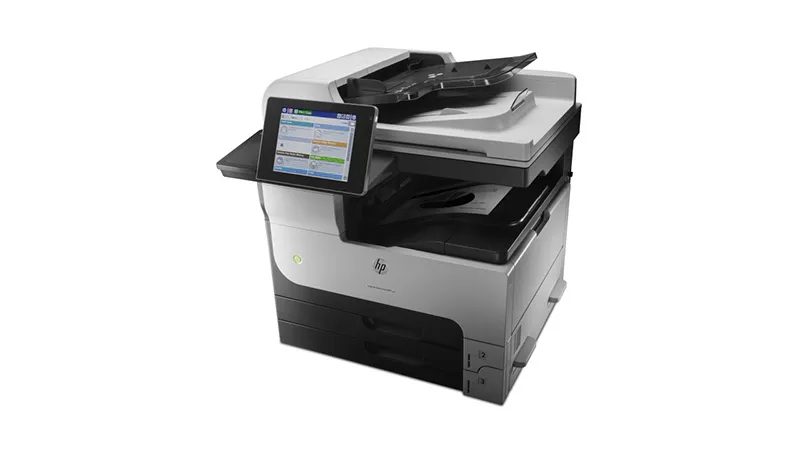
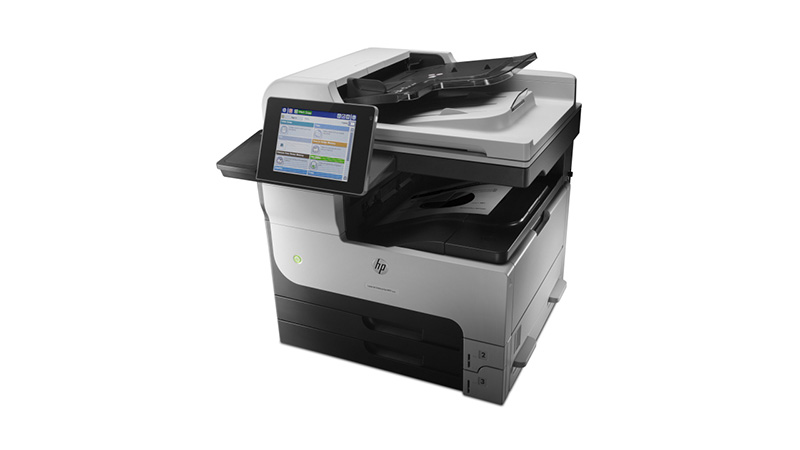 It's time to dump your photocopiers
Sponsored If your business is still running a fleet of copiers, you should consider HP's new A3 MFPs instead.