‘AI is not making IT simpler – it's making it more consequential’: IT workers are feeling the heat as AI raises expectations
A SolarWinds survey suggests AI makes IT work more strategic, but also adds friction and raises expectations


-
 What does it take to protect your data in today's AI-driven world?
Whitepaper Dell PowerProtect Data Domain helps organizations build a cyber-resilient foundation to securely protect and reliably recover critical data across multicloud environments in today's AI-driven world
-
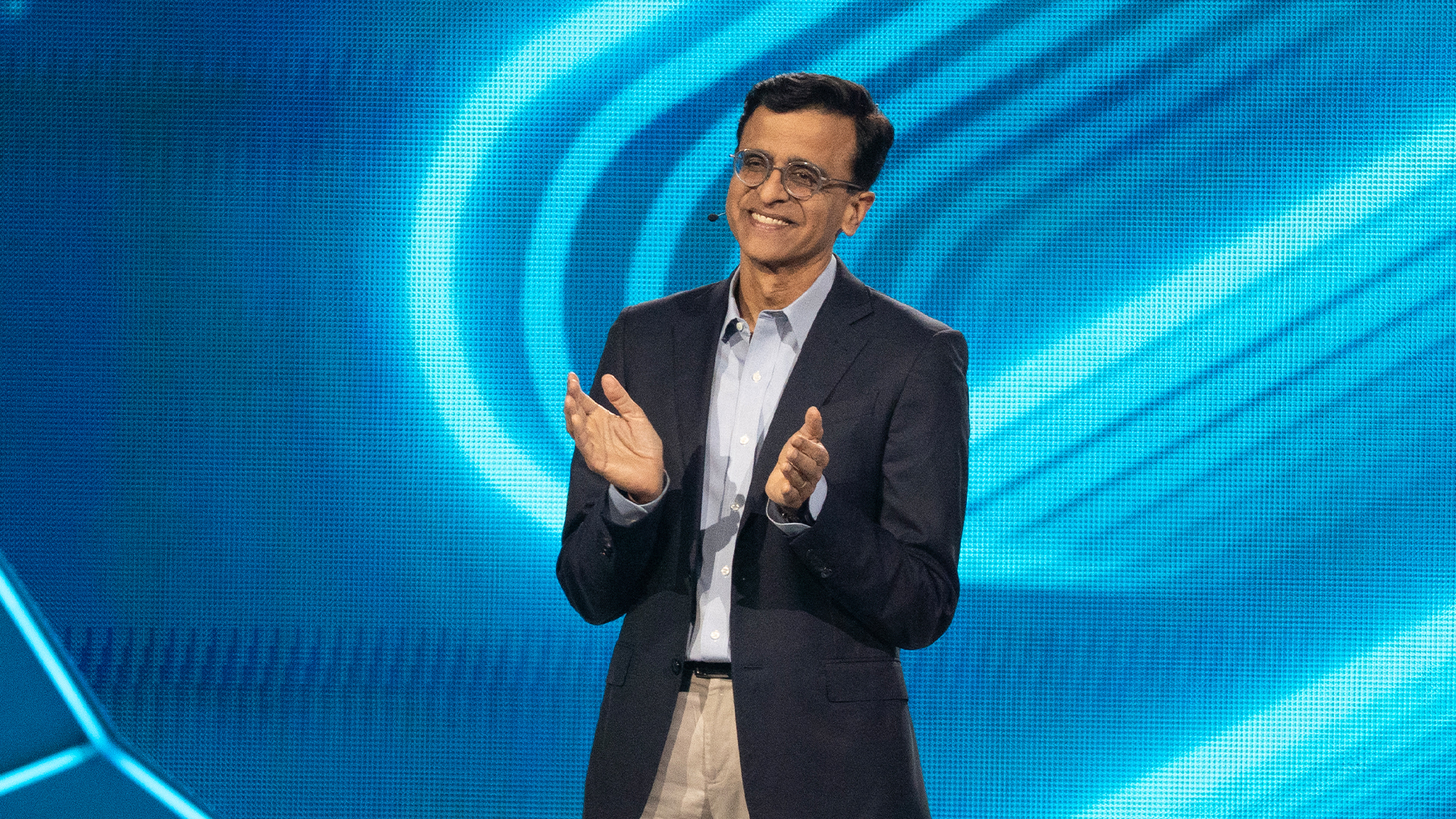
 Omnissa names Amit Singh as new CEO
News The veteran industry leader will lead the digital workplace platform provider into the era of agentic endpoints across the enterprise


-
 Huawei is positioning itself as a viable alternative to big US tech companies. Can it pull it off?
Opinion With Nvidia and AMD excluded from the Chinese AI market, Huawei is building a powerful reputation at home and abroad
-
 “Enterprises are becoming much more rigorous about the economics of AI”: Snowflake wants to help you cut AI costs by choosing the right model for the right task
News New dynamic model routing capabilities aim to help customers box clever when it comes to their AI model choice
-
 Microsoft has joined the growing list of companies cracking down on ‘tokenmaxxing’
News The company is updating internal guidance to reduce rising costs
-
 ‘AI cost management has the same problems that cloud had’: Enterprises are still facing huge AI bills thanks to ‘tokenmaxxing’ – that means FinOps practices are more important than ever
News With firms facing surging AI bills, FinOps techniques are more important than ever
-
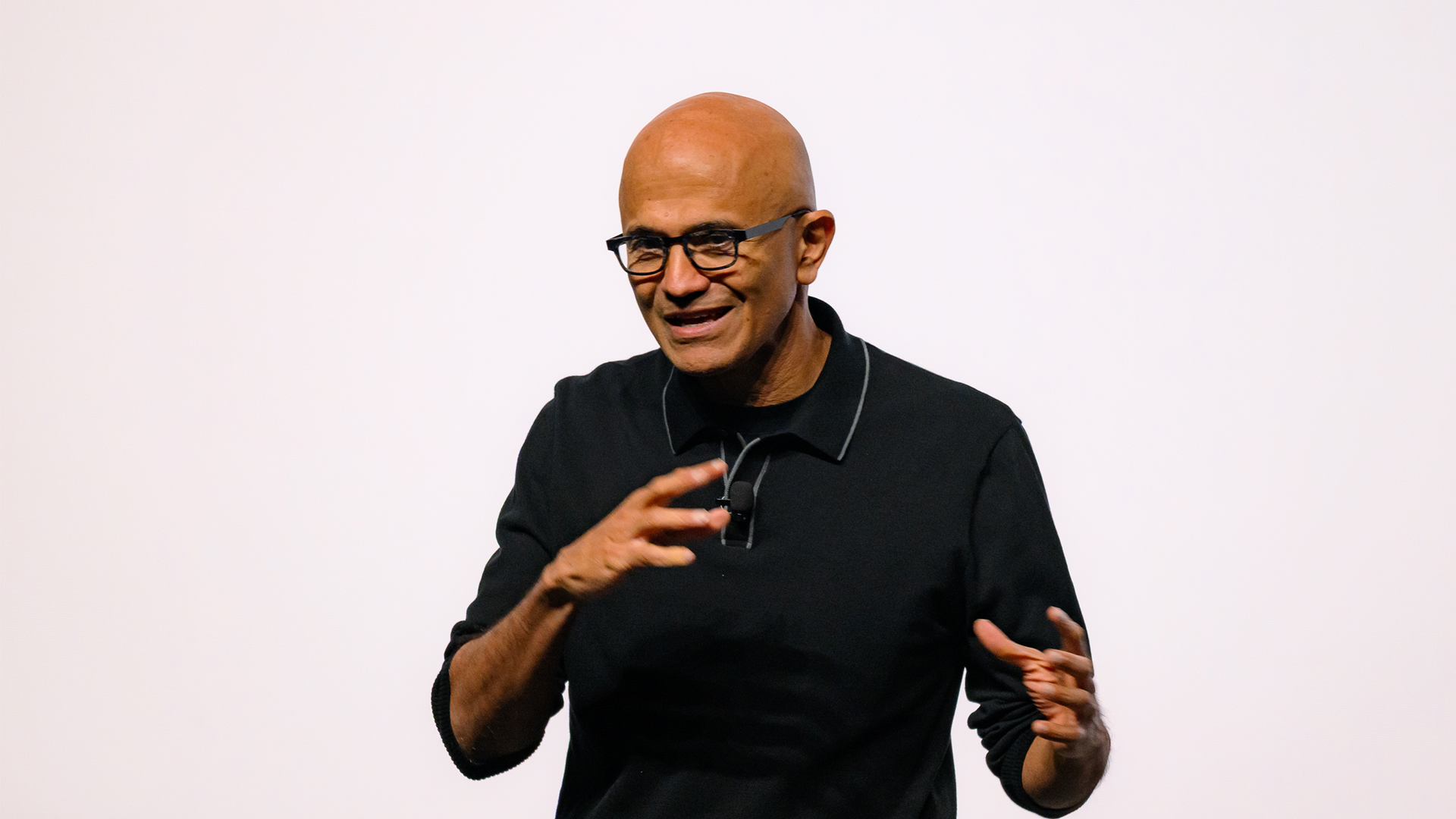 ‘We are now seeing MAI models outperform general-purpose frontier models’: Microsoft CEO Satya Nadella touts in-house models to cut spiralling AI costs – and reduce growing reliance on frontier labs
News The Microsoft chief says pricey frontier models don't have to be used for every task, and its own in-house MAI models could be the key to reducing costs.
-
 3 ways to get your data AI-ready
Sponsored Data placement, preparation, and orchestration make or break an AI project – and the Dell AI Data Platform reduces the strain on enterprise IT teams across both storage and the data foundation
-
 ‘A company should be able to use a model without giving up the knowledge that makes it unique’: Microsoft CEO Satya Nadella says enterprises shouldn’t be sharing so much data with AI providers
News The Microsoft chief warned that corporate data could be at risk thanks to AI models
-
 ‘What we’re seeing right now is just rapid escalation in AI token spend’: Accenture tells staff to stop using AI for unnecessary tasks amid surging costs
News Accenture has told some staff to roll back the use of AI for basic tasks while the consultancy grapples with surging AI token costs.


