Nvidia targets open source interoperability with new model coalitions, agentic frameworks
A new open model development coalition and agentic frameworks target enterprise interoperability


-
 How Tottenham Hotspur worked with Salesforce to create the ‘world's best experiences’ for fans
Case Study The Premier League football club modernized data processes and leaned on Agentforce to engage with fans
-
 Salesforce doubles down on forward deployed engineers in UK Agentforce push
News Specialist Salesforce engineers will be embedded within customer teams


-
 Salesforce teams up with Nvidia to launch Koa, a dedicated CRM reasoning model
News The Koa reasoning model is a "game changer" for sales personnel and agents, according to Salesforce
-
 HPE AI Factory adds features to improve your experience with agents
News The HPE AI Factory will now offer the Nvidia Agent Toolkit software, such as Nvidia Nemotron open models and Nvidia NemoClaw
-
 Nvidia touts its contribution to UK sovereign AI plans
News The latest deal sees Nebius expanding capacity in the UK with three new deployments
-
 Will AI hiring entrench gender bias?
ITPro Podcast This International Women's Day, it's more important than ever to consider the inherent biases of training data
-
 February rundown: SaaS-pocalypse now?
ITPro Podcast Geopolitical uncertainty is intensifying public and private sector focus on true sovereign workloads
-
 HPE and Nvidia launch first EU AI factory lab in France
News The facility will let customers test and validate their sovereign AI factories
-
 Dell Technologies doubles down on AI with SC25 announcements
AI Factories, networking, storage and more get an update, while the company deepens its relationship with Nvidia
-
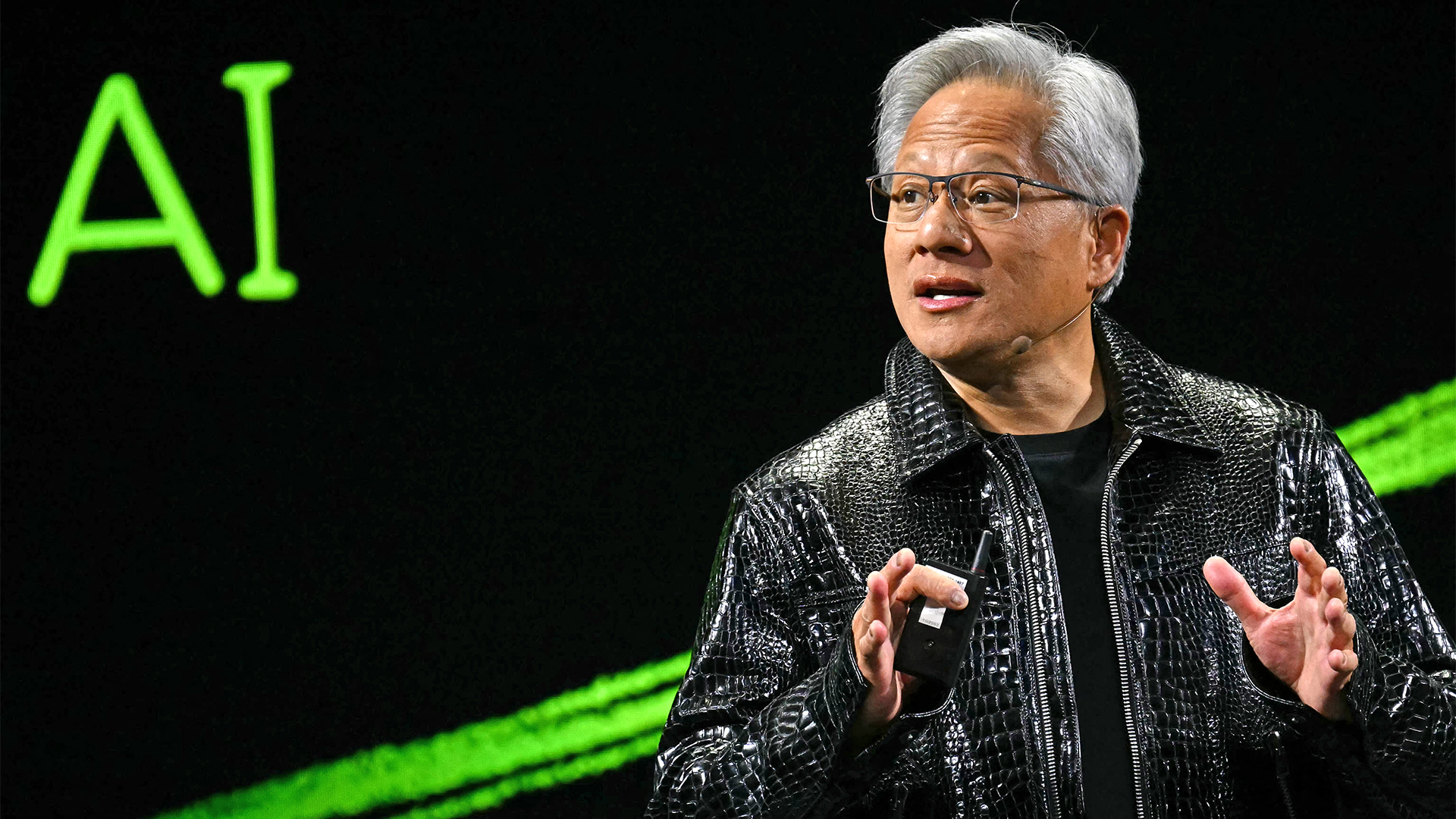 Nvidia CEO Jensen Huang says future enterprises will employ a ‘combination of humans and digital humans’ – but do people really want to work alongside agents? The answer is complicated.
News Enterprise workforces of the future will be made up of a "combination of humans and digital humans," according to Nvidia CEO Jensen Huang. But how will humans feel about it?


