OpenAI says GPT-5.2-Codex is its ‘most advanced agentic coding model yet’ – here’s what developers and cyber teams can expect
GPT-5.2 Codex is available immediately for paid ChatGPT users and API access will be rolled out in “coming weeks”


-
 Slicing through the static: why data quality is the channel’s ultimate competitive advantage
Industry Insights There's real risk from fragmented telemetry for channel partners...
-
 Why IT leaders need to be involved in layoff decision-making to avoid AI washing
In-depth Those who sit closest to where AI is deployed are often overlooked, despite being better placed to determine what AI can automate and where human expertise remains critical


-
 OpenAI says some researchers are blowing through $7,000 in AI tokens every day – but it’s a price the company appears willing to pay
News OpenAI has revealed that researchers now spend around $600 each day on AI tokens amidst a surge in agentic coding. Some, meanwhile, are using upwards of $7,000 worth of tokens per day.
-
 Six things OpenAI learned about AI from the Hugging Face incident
News OpenAI's report into AI going rogue reveals efforts at cheating and communicating — but also some well-behaved bots
-
 OpenAI forges closer ties with IBM in enterprise push
News The duo will combine OpenAI models and products with IBM Consulting expertise
-
 AI testing firm Irregular the source of ‘misconfigurations’ that led to Meta, OpenAI, and Anthropic AI incidents
News The “frontier security lab” has been referenced in multiple cyber incident statements
-
 AI agents could make living off the land attacks ‘much more dangerous’, says CrowdStrike Field CTO
Analysis Living off the land attacks are evolving rapidly as threat actors target agents with deep access to enterprise networks and sensitive data
-
 Databricks launches AI co-worker, Genie One
News The AI program is designed to help business teams manage workflows and automate work-related tasks
-
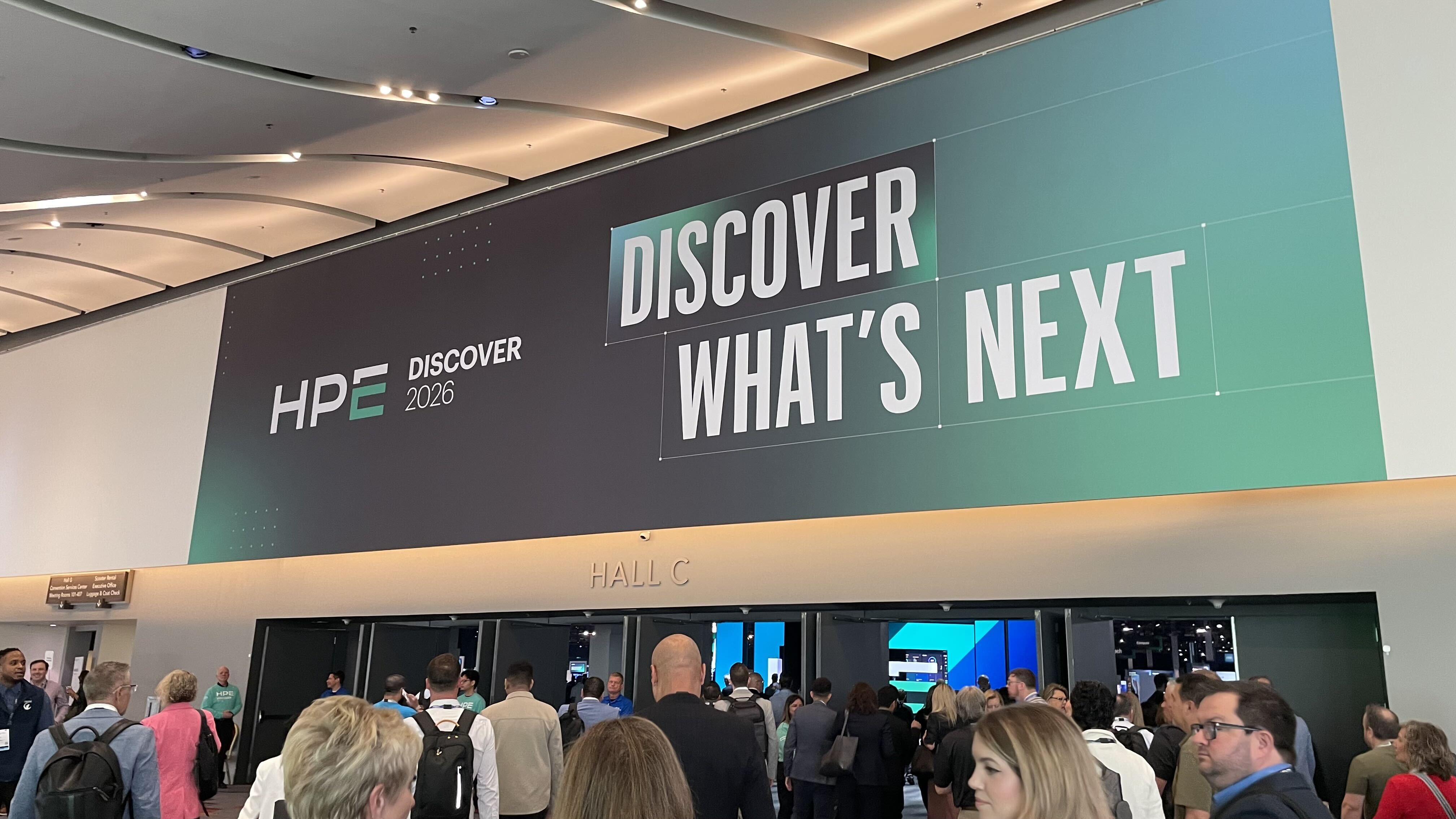 HPE AI Factory adds features to improve your experience with agents
News The HPE AI Factory will now offer the Nvidia Agent Toolkit software, such as Nvidia Nemotron open models and Nvidia NemoClaw
-
 Beyond "agent washing": how to build AI systems that actually deliver ROI
Sponsored Dell Technologies CTO and CAIO explains where enterprise AI is heading


