Jensen Huang just issued a big update on Nvidia's Blackwell chip flaws
The issue affecting Nvidia Blackwell GPUs was fixed months ago, and now Huang has quashed rumors the incident has strained its 30-year relationship with TMSC


Nvidia CEO Jensen Huang has confirmed that a design flaw that was impacting the expected yields from its Blackwell AI GPUs has been addressed.
Huang clarified that the issue was the result of Nvidia’s design, and not its fabricating partner TSMC, with mass production of the Blackwell B100 and B200 GPUs expected to resume later this month, according to Reuters.
In a conference call in August, Huang revealed Nvidia had modified the design of the Blackwell chips to improve yield, with rumors soon swirling that the incident had caused tension between the company and TMSC.
Speaking at Nvidia’s AI Summit in Mumbai, Huang shed some light on the issue, clarifying that it was the sole result of an Nvidia error, and TSMC was in no way responsible for any production delays.
"We had a design flaw in Blackwell ... It was functional, but the design flaw caused the yield to be low. It was 100% Nvidia's fault,” Huang stated.
Huang pushed back on suggestions that two companies' relationship had become strained, adding that TSMC was instrumental in assisting Nvidia recover from the interruption and get units back in production as soon as possible.
"In order to make a Blackwell computer work, seven different types of chips were designed from scratch and had to be ramped into production at the same time,"he explained
"What TSMC did, was to help us recover from that yield difficulty and resume the manufacturing of Blackwell at an incredible pace."
Huang labels claims of bad blood with TSMC ‘fake news’
After initial reports of the design flaw emerged, some outlets claimed the issue and resulting delays to production may have soured its longstanding relationship with TSMC.
Some outlets suggested the fault was associated with the packaging technology onboard the Blackwell chips, namely TSMC’s CoWoS platform.
According to some reports, the two companies were in deadlock over who was responsible for the fault, blaming each other for the performance issues and potentially jeopardizing the pair’s 30-year relationship.
TSMC has been central in Nvidia’s rise to become the preeminent chipmaker of the AI era, with Huang himself remarking that “without TSMC, there would be no Nvidia today”.
RELATED WHITEPAPER

Huang labeled any claims of ill will between the two firms as ‘fake news’.
Speaking at a recent Goldman Sachs conference, the Nvidia CEO announced the Blackwell GPUs will enter mass production in the fourth quarter (late October), and are expected to start shipping in early 2025.
However, Nvidia disclosed that it would have to ship some of the low-yield units in 2024 to satisfy surging demand for the Blackwell GPUs, specialized for AI workloads.

-
 The future of AI depends on stronger partner programs — here’s what vendors need to know
Industry Insights AI transformation depends on the channel, but outdated partner programs threaten progress
-
 Wasabi establishes dedicated AI business led by Pinaki Mukherjee
News The cloud storage vendor's new business will focus on strategy, partnerships, and go-to-market activity as AI drives growing storage demand


-
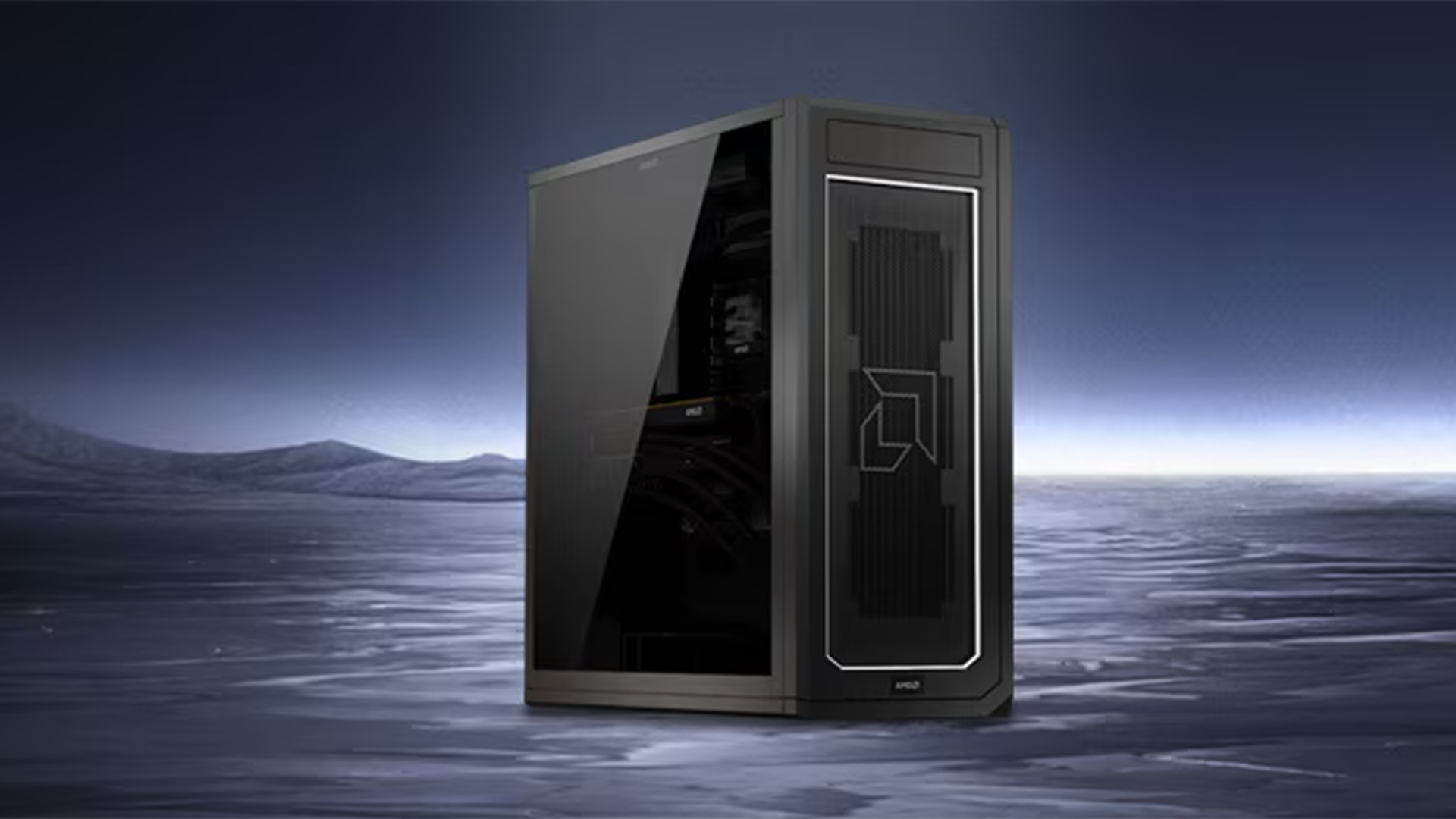 ‘This is about as close as you can get to a personal supercomputer’: AMD has Nvidia in its crosshairs with the Threadripper Halo AI workstation
News The new device boasts 3.4x the total system memory compared to the Nvidia DGX Station, according to AMD
-
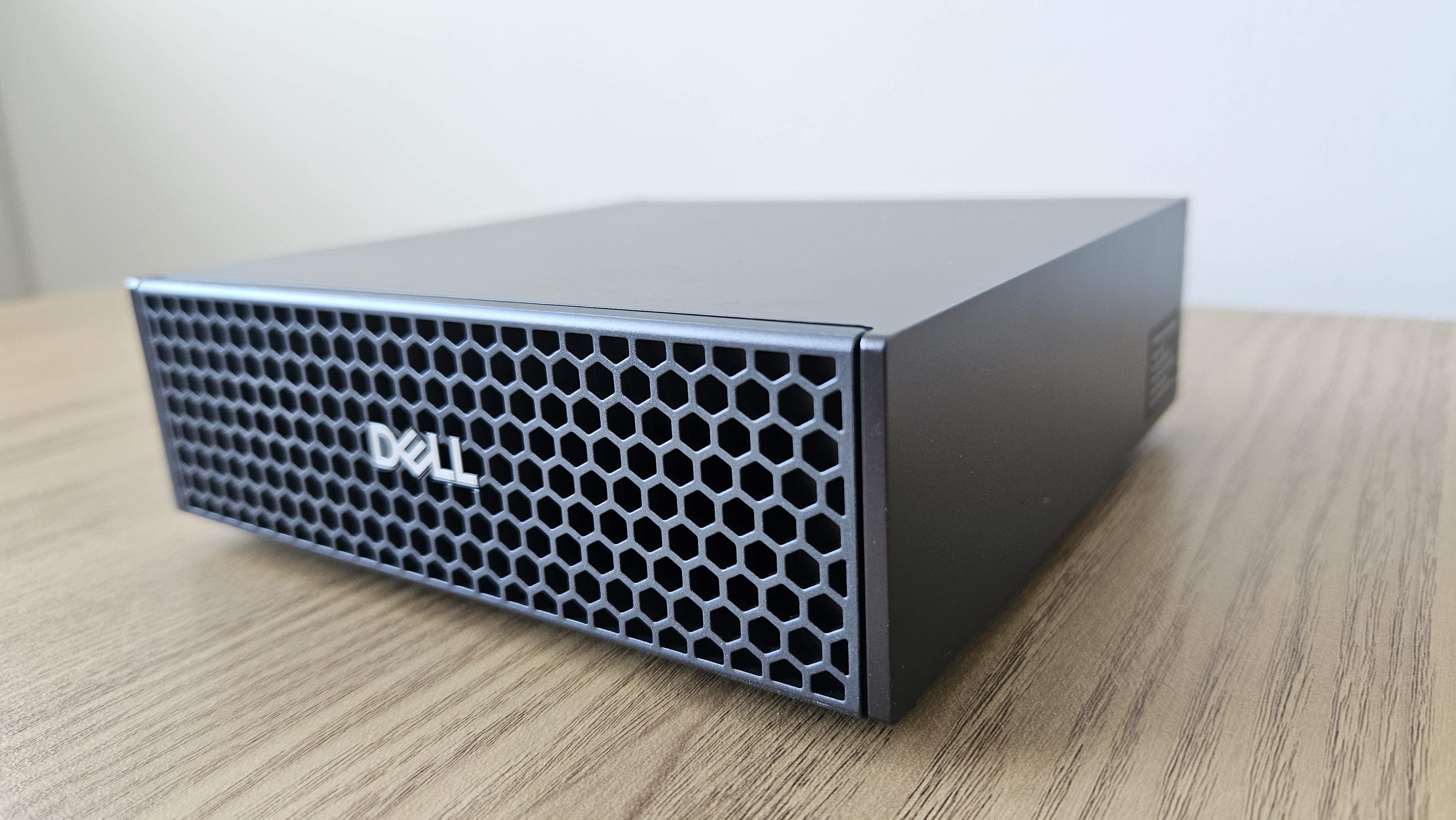 The Dell Pro Max with GB10 is the most sophisticated mini AI workstation you can get – but also the most pricey
Reviews This juggernaut of a machine can be a gateway to AI productivity, with plenty of power and playbooks to get you started – but it comes at a high cost
-
 ‘This is the new PC. The personal AI computer’: Nvidia wants its RTX Spark ‘superchip’ to fuel the AI PC boom
News The new RTX Spark chip is designed to keep AI inference local for security and safety
-
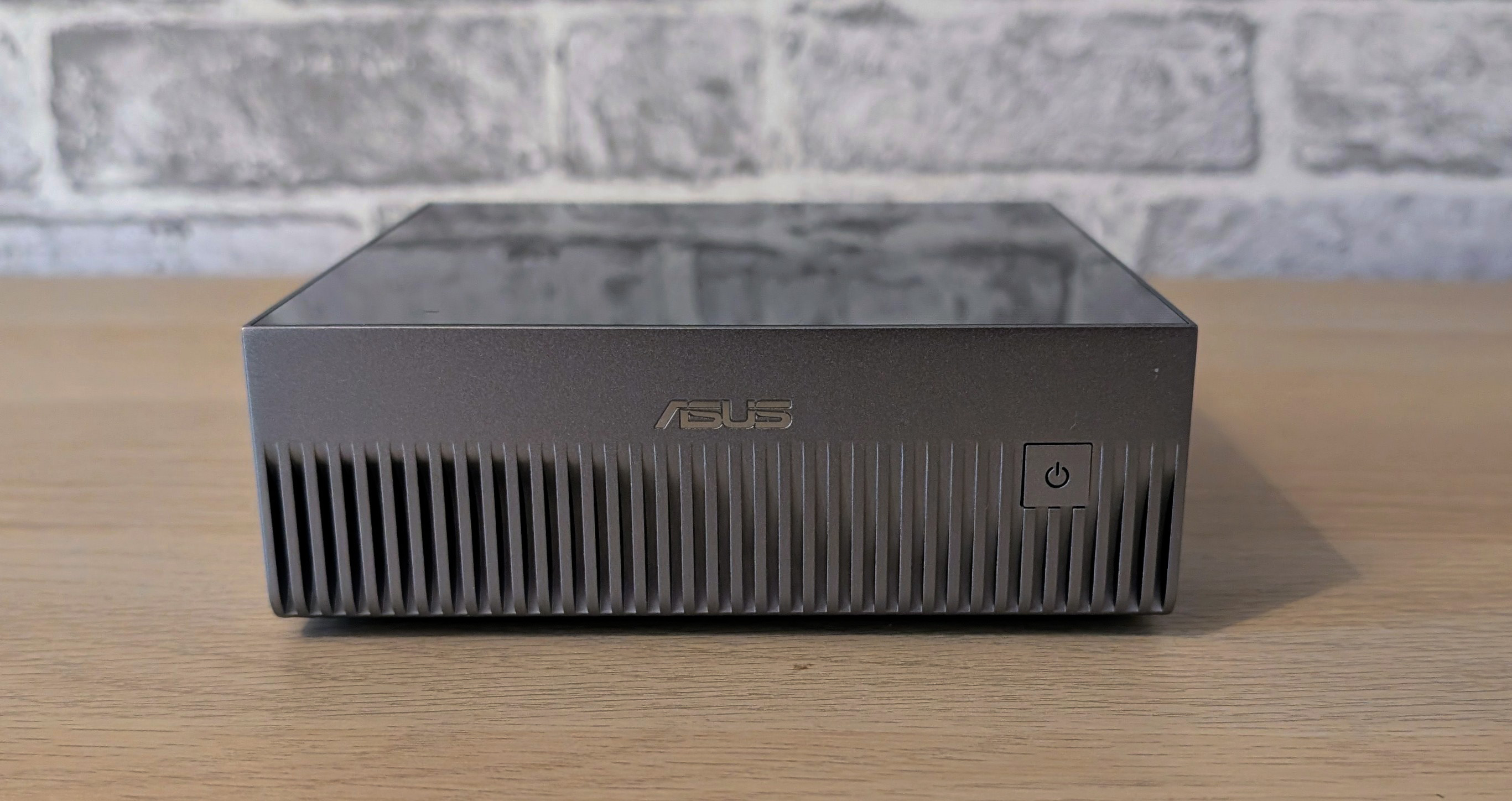 The Asus Ascent GX10 is a MiniPC with supercomputer ambitions for AI developers – but it's not cheap
Reviews The Ubuntu-on-ARM operating system could limit its appeal, but for both serious and neophyte AI developers, it's a great desktop box
-
 Nvidia’s Intel investment just gave it the perfect inroad to lucrative new markets
News Nvidia looks set to branch out into lucrative new markets following its $5 billion investment in Intel.
-
 Nvidia hails ‘another leap in the frontier of AI computing’ with Rubin GPU launch
News Set for general release in 2026, Rubin is here to solve the challenge of AI inference at scale
-
 Nvidia braces for a $5.5 billion hit as tariffs reach the semiconductor industry
News The chipmaker says its H20 chips need a special license as its share price plummets
-
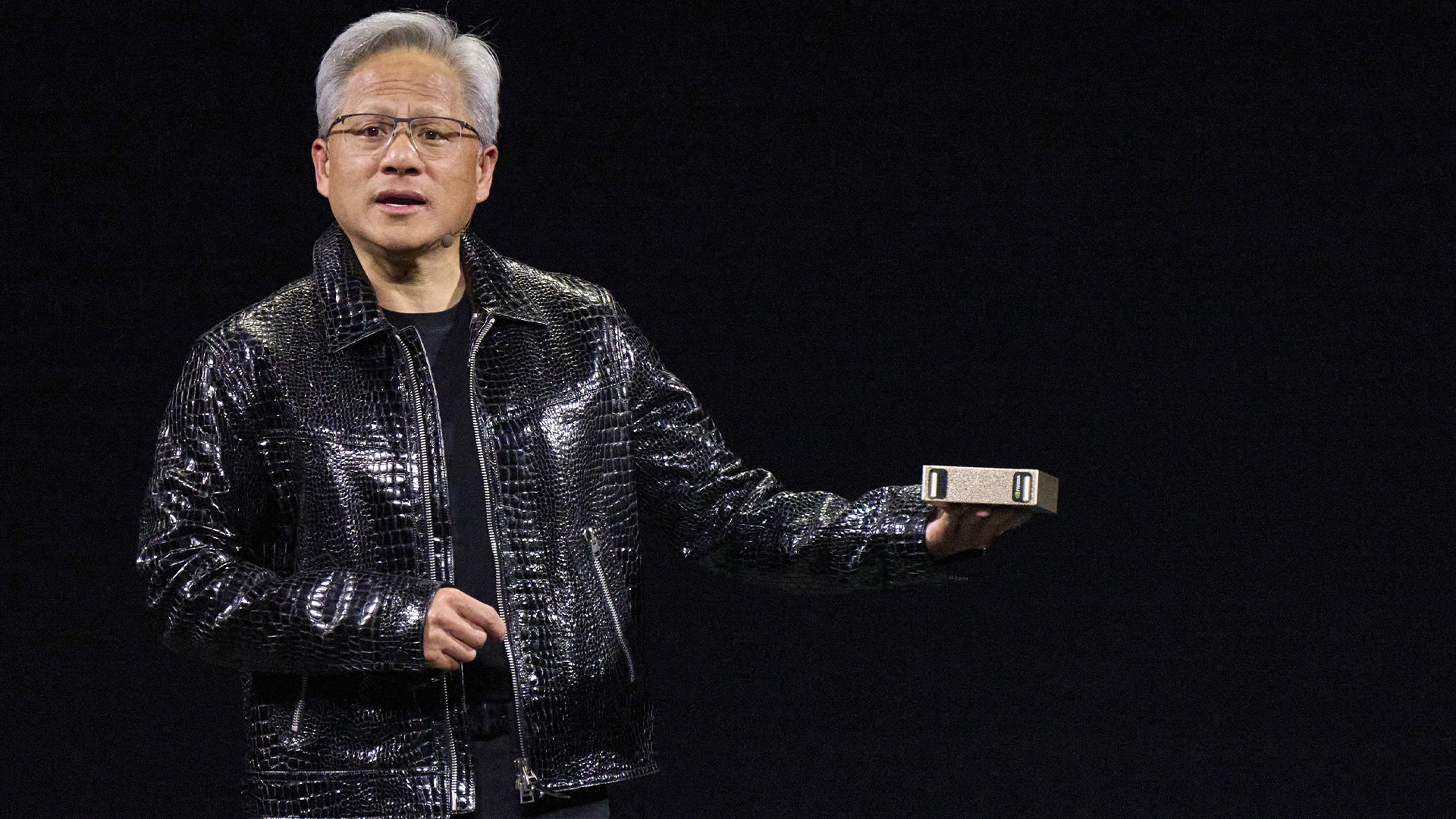 “The Grace Blackwell Superchip comes to millions of developers”: Nvidia's new 'Project Digits' mini PC is an AI developer's dream – but it'll set you back $3,000 a piece to get your hands on one
News Nvidia unveiled the launch of a new mini PC, dubbed 'Project Digits', aimed specifically at AI developers during CES 2025.


