AMD quietly releases 760G chipset
Chipset won’t change the world, but aims to offer value and performance for home and business users.
With little fanfare, AMD has announced the availability of a 760G chipset designed for low-cost value systems for home and business users.
The chipset offers what AMD calls a balanced platform' and is intended to be energy efficient. It features integrated graphics running at 350MHz with DirectX 10 standard that it claims better rival Intel's G41 chipset for performance. The socket is AMD2 compatible, taking in most of AMD's current line of processors.
The chipset can be paired with discrete graphics cards to enable CrossFire, where multiple cards are used to increase graphics performance, particularly for gaming. However, it can also enable the use of multiple displays, helping to increase productivity for business users.
More specifically for business users, AMD points to options built into Adobe applications and Microsoft office to make use of DirectX9 and DirectX 10 hardware, making for a smoother experience in those applications.
The chipset also offers hardware acceleration of DVDs, reducing the CPU load on the system enabling other tasks to be continued in the background which viewing DVD content.
Meanwhile, the presence of RAID support is unusual for a chipset at this price, as is PCI Express Gen 2 support for compatibility with the latest add in cards.
AMD said the chipset will be available from a number of partners such as Asus, MSI, Foxconn and Gigabyte and is expected to cost in the region of $80 (55).
Sign up today and you will receive a free copy of our Future Focus 2026 report - the leading resource for IT decision-maker insight on priorities and investment areas in AI, security and more.
Benny Har-Even is a twenty-year stalwart of technology journalism who is passionate about all areas of the industry, but telecoms and mobile and home entertainment are among his chief interests. He has written for many of the leading tech publications in the UK, such as PC Pro and Wired, and previously held the position of technology editor at ITPro before regularly contributing as a freelancer.
Known affectionately as a ‘geek’ to his friends, his passion has seen him land opportunities to speak about technology on BBC television broadcasts, as well as a number of speaking engagements at industry events.
-
Need high-performance business laptops for heavy workloads? The Dell Pro 5 is a serious contenderSponsored With powerful new AI PCs hitting the market, enterprises face a crucial decision when opting for new workforce devices
-
Jensen Huang returns to Nvidia as CEONews The co-founder and CEO is back in the hotseat
-
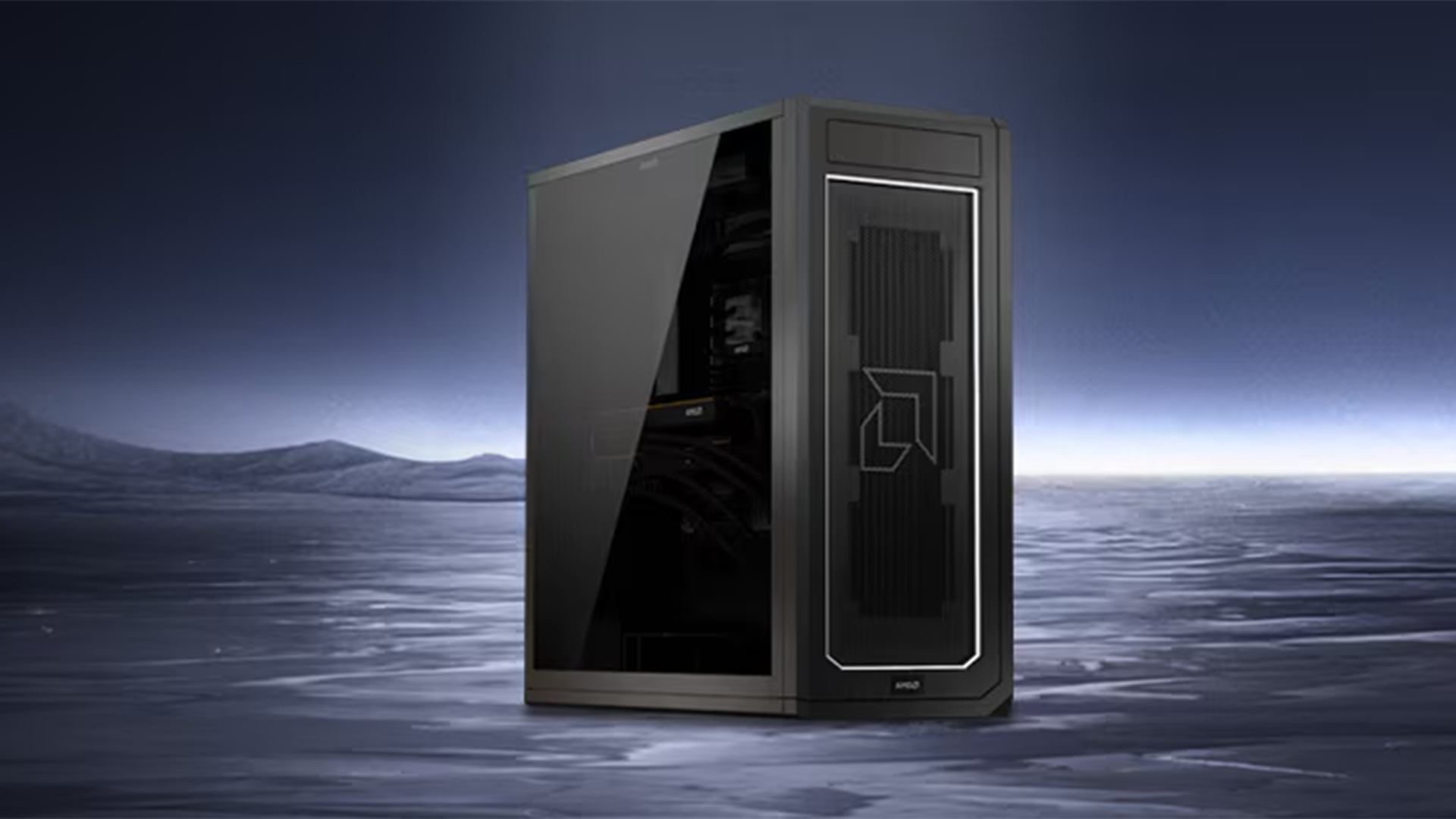
‘This is about as close as you can get to a personal supercomputer’: AMD has Nvidia in its crosshairs with the Threadripper Halo AI workstationNews The new device boasts 3.4x the total system memory compared to the Nvidia DGX Station, according to AMD
-
AMD CEO Lisa Su hails ‘excellent quarter’ as data center revenue surges 107%News The record-breaking quarter comes as AMD prepares to roll out its Helios rack-scale architecture later this year
-

Looking to build an AI data center? Here’s five reasons to go with AMD EPYC CPUsHigh core density, inference, and scalability are just some of the benefits of an AMD EPYC CPU
-
How AMD EPYC CPUs and AMD Instinct GPUs are powering the world's HPC facilitiesSponsored AMD offers powerful chipsets for AI and traditional HPC workloads, including native FP64 support
-
Is AMD EPYC the right CPU for your AI models?These top tips will help you decide if AMD EPYC CPUs are the right fit for your AI models
-
AMD and Samsung forge closer ties on AI memory, potential foundry dealNews The pair are forging closer ties on chip development and future foundry opportunities
-

AMD thinks ‘AI on the PC has crossed an important line’ – the rise of ‘Agent Computers’ will be the next big breakthroughNews The chipmaker believes “Agent Computers” will be the next big breakthrough with on-device AI capabilities
-
The role of the CPU in the AI eraSupported The backbone of enterprise AI, CPUs are the unsung heroes of inference