
London's Metropolitan Police is testing its facial recognition technology in the capital today. This week's trials mark the seventh attempt launched by the Met in a bid to get its controversial technology to take flight.
The testing took place yesterday and continues today over a period of eight hours each day.
Rather than scanning people without their consent, the Met is inviting people to take part in the testing on a voluntary basis. Critics of the scheme have been vocal, suggesting that people who turn down the invites will look "suspicious".
Bigger grievances, meanwhile, pertain to issues of privacy. Big Brother Watch, a prominent civil liberties advocacy group, has denounced the technology as "authoritarian, dangerous and lawless," stating that it constitutes a "breach of fundamental rights to privacy and freedom of speech and assembly".
If you're keen to avoid being roped into the testing period, you'll want to avoid central London. The areas where the tests are being conducted fall within the touristic hubs of the capital, with Soho, Picadilly Circus and Leicester Square being touted as prime locations.
Be wary of pranksters, too; the Met has established that "clear uniformed" officers only would be carrying out trials while maintaining that anyone requesting not to be scanned would not be black marked as "suspicious".
For its part, the Met is keen to forge ahead with trials. Information Commissioner Elizabeth Denham has sung the facial recognition system's praises, positing in a blog post that it could bring "significant public safety benefits". The system, if approved for use, would mean the software could be employed to identify people wanted by the police with technology doing most of the heavy lifting.
Sign up today and you will receive a free copy of our Future Focus 2026 report - the leading resource for IT decision-maker insight on priorities and investment areas in AI, security and more.
However, previous trials have shown something of a mixed record. And that's us being diplomatic; a trial back in July led to a grand total of 0 arrests probably a good thing, since a May study found the software flagged false positives in up to 98% of cases.
In the meantime, Big Brother Watch is ploughing on in its role as a watchdog; it recently took to Twitter to name, shame and snap one of the facial recognition vans conducting the trials today. "This looks an awful lot like covert surveillance," the group commented on a picture of the seemingly innocuous plain green van.
This is one of the facial recognition vans out in London today at Cambridge Circus. This looks an awful lot like covert surveillance. Also plain clothed officers hanging around. pic.twitter.com/JNGINzvR6ABig Brother Watch (@bbw1984) December 17, 2018
-
TfL takes Oyster photocard systems offline following breachNews Security experts warn the Oyster photocard breach could lead to follow-up attacks on victims
-

Irish credit unions hit by data breach after IT provider compromisedNews Wellington IT reportedly delayed alerting customers by multiple weeks
-
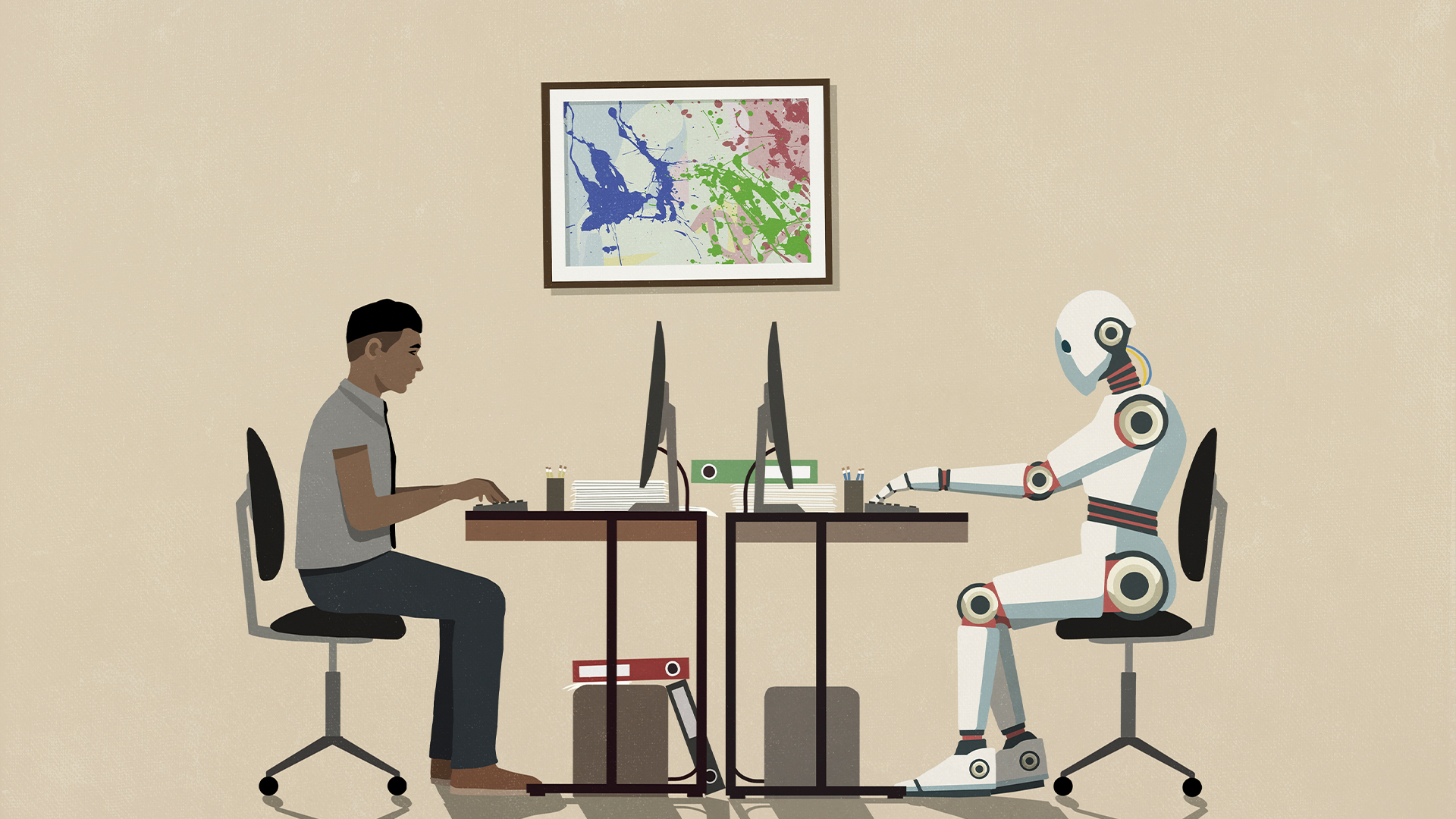
‘AI isn’t replacing human talent’: UK tech workers are insulated from automation – at least for nowNews A survey from Hays shows only moderate exposure from AI on UK tech roles, including software developers and engineers
-

Can robots work safely alongside humans? This one industry leader thinks we're not far awayNews Humanoid robots and people will be able to work truly side-by-side this year, according to the CEO of one leading robotics company.
-

The power of AI & automation: Proactive ITWhitepaper Automation strategies to dynamically and continuously assure cost-effective application performance
-

Magic Quadrant for enterprise conversational AI platformsWhitepaper An evaluation of the conversational AI platform (chatbot) market
-
Let's rethink customer servicewhitepaper Discover new ways to improve your customer service process
-
The power of AI & automation: Productivity and agilitywhitepaper To perform at its peak, automation requires incessant data from across the organization and partner ecosystem
-
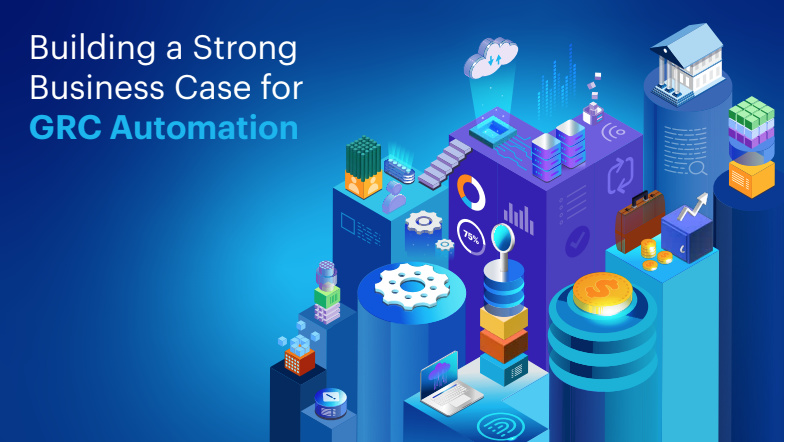
Building a strong business case for GRC automationwhitepaper Successfully implement an innovative governance, risk & compliance management platform
-
Propel four common machine learning use cases into productionWhitepaper How organizations are accelerating the training and deployment of machine learning models at scale