Sign up today and you will receive a free copy of our Future Focus 2026 report - the leading resource for IT decision-maker insight on priorities and investment areas in AI, security and more.
You are now subscribed
Your newsletter sign-up was successful
An account already exists for this email address, please log in.
How to become a data leader
When it comes to data, it pays to be leader of the pack
For most organisations, data is an excellent opportunity to improve business. It is something that all companies have in one way or another; from the person starting up a business on their kitchen table to a multinational organisation. Learning how data is collected, stored, and more importantly, how it’s used can be essential to creating excellent experiences for your customers and getting one over the competition.
But there is an issue. According to research conducted by Oracle, only 37% of marketing decision-makers state customer data is completely manageable. It is all too easy for marketing teams and others to be swamped by the enormous amount of data that needs to be processed. The 37% chunk that are managing their data can be referred to as ‘data leaders’ and becoming one should be top of mind for any business.
Spotting a data leader
Data leaders make the most out of data they have in their possession. Getting every last bit of insight possible out. To become one, it helps being able to pick one out of a line-up which includes data ‘followers’ and ‘laggards’.
The key feature that distinguishes a data leader is the capacity to create profound insights from mountains of data. Data leaders implement the most-up-to-date technology while putting automated processes in place to produce an effective data pipeline that analyses everything. This all makes data more manageable, with Oracle’s research revealing that almost two-thirds of data leaders consider themselves completely on top of their data.
Technology not only helps in generating insights but is also crucial in order to ensure your data is securely managed. Taking accountability for security allows your marketing department to operate freely and with confidence and goes some way to protecting reputations; there’s nothing like a security or compliance breach to discourage customers and clients from transacting and sharing details, with Oracle’s research revealing that over 90% of data leaders state data management impacts their reputation. A secure data management strategy boosts customer loyalty and cements brand value.
Of course, technology alone is never enough. The employees of a data leader will be educated as to their data responsibility, allowing them to be diligent in their work. As well as being equipped with the right technology, they will be taught how to effectively use it. Lastly, when handling data the right ethics must be in place to ensure compliance with overarching regulations.
The steps towards a data leader
If your data team lacks the above characteristics, your company falls short of being deemed a data leader. Fortunately, there are clear steps you can take that lead from the very bottom to the very top.
Get the ITPro daily newsletter
Sign up today and you will receive a free copy of our Future Focus 2026 report - the leading resource for IT decision-maker insight on priorities and investment areas in AI, security and more.
Your data strategy should be built with automation at its heart. Setting course on your journey, it’s vital to move away from manual processes for extracting data insights, towards automated ones. A buyer’s group can assemble, consisting of decision-makers across the business, to identify a vendor that suits. Once integrated, your automated solution will dramatically reduce human error and increase processing efficiency, helping produce insight that you can trust in a fraction of the time.
But employees still have a crucial role to play. They must be educated, introduce data management best practices, and ensure these are followed by the entire marketing department by means of regular training. It’s up to department leaders to keep an eye on evolving data management requirements, and filter updates into refresher sessions. These measures will empower employees, providing them with the right mix of tools and information to have confidence when dealing with data, allowing them to make better-informed decisions that go some way in boosting the customer experience.
Attempting to forge a data strategy can at times feel like an endless marathon. The pace at which regulations and technology evolve is difficult to keep up with. So, it pays to have both long- and short-term goals. Goals must, of course, be flexible, whilst being strict enough to measure progress. Long term strategies should be fixed on the horizon, and short-term strategies adjusted to arrive there in one piece. The best place to start is at the bottom. Aim to tidy up the data you already have, strip duplicates, and run due diligence.
With a foundation established, data can be confidently managed and analysed, and in time, the ladder climbed towards becoming a data leader.

 TfL takes Oyster photocard systems offline following breach
 Irish credit unions hit by data breach after IT provider compromised


 MariaDB snaps up GridGain in AI push
 Pure Storage snaps up 1touch in data management pivot
 A quarter of firms still don’t have a formal data strategy – and it’s hampering AI adoption
 AI projects are faltering as CDOs grapple with poor data quality
 Advance sustainability and energy efficiency in the era of GenAI
 Strengthening your data resilience strategy
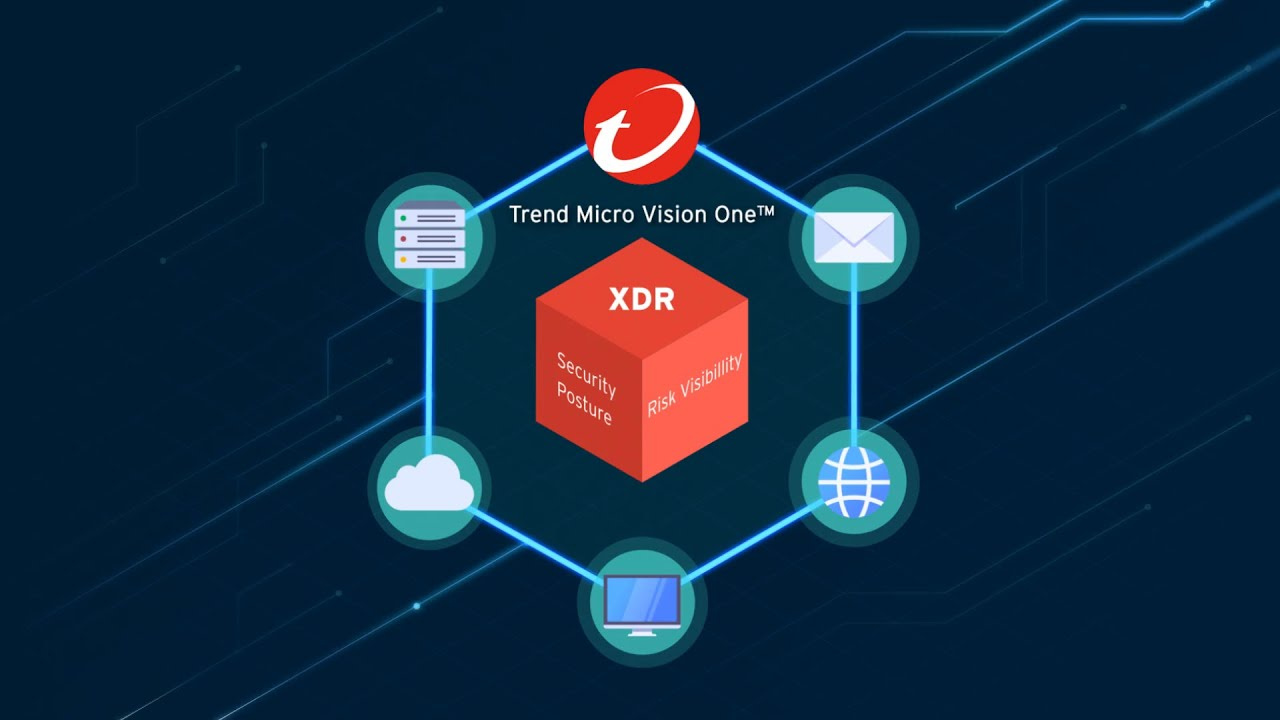 Analyzing the economic benefits of Trend Micro Vision One
 Learning and operating Presto


