
Senate Majority Leader Chuck Schumer announced the US Senate has proposed spending $52 billion to boost domestic chip production over the next five years.
The federal money is part of bipartisan legislation unveiled late Tuesday that proposes spending $120 billion overall on tech manufacturing and research to compete with China more effectively.
“This legislation will allow the United States to out-compete countries like China in critical technologies like semiconductors, create good-paying American jobs, and help improve our country’s economic and national security,” Schumer said in a statement.
According to Reuters and Bloomberg, the Senate legislation would launch a federal initiative to financially support building, expanding and modernizing semiconductor fabrication plants in the US.
This financial support would include spending $39 billion on production and R&D incentives, $10.5 billion on programs such as the National Semiconductor Technology Center, and $1.5 billion on accelerating the development of a US-based open-architecture network-sharing model (OpenRAN) as an alternative to tech supplied by Chinese manufacturing giants Huawei and ZTE.
The legislation would also include significant federal incentives to enhance tech R&D at American universities and institutions over the next five years.

Getting everyone on board with the corporate vision
Sample our exclusive Business Briefing content
The Senate will take up this legislation beginning this week. The House will consider similar legislation. Any bill that eventually makes its way to the White House would likely be some combination of the two.
Meanwhile, President Joe Biden has already asked Congress for $50 billion to fund the Creating Helpful Incentives to Produce Semiconductors (CHIPS) for America Act, which would use federal money to build more chip manufacturing capacity in the US.
The Semiconductor Industry Association (SIA) warns that the US share of global semiconductor manufacturing capacity has decreased from 37% to 12% since 1990. This is primarily due to government subsidies in other regions and stagnation in federal investment.
This comes during a global semiconductor shortage that experts anticipate will last at least through 2021, if not longer. The COVID pandemic contributed to the chip shortage, which has escalated recently and left automakers and tech manufacturers scrambling for supplies.
The Biden administration pledged to address the chip shortage and is working with businesses to fix bottlenecks in semiconductor supply. That development came after semiconductor industry leaders in the US wrote to the president, asking him to fund chip manufacturing and research in the administration’s economic recovery and infrastructure plan.
-
 Need a fleet of solid Windows business laptops? Modernize with the Dell Pro 3
Sponsored Aging laptops can nix a small business’s efficiency and productivity, but the Dell Pro 3 can help bring you up to date
-
 5 features that make the Dell Pro 7 the ultimate travel laptop for business professionals
Sponsored Discover five Dell Pro 7 features for business professionals on the move: lightweight design, privacy display options, premium collaboration tools, battery life, and layered security


-
 Why the US imposed export controls on Anthropic’s Fable and Mythos models – and why they’ve been lifted
News Anthropic tightens up safeguards and offers expanded early access to US government to end export control issues
-
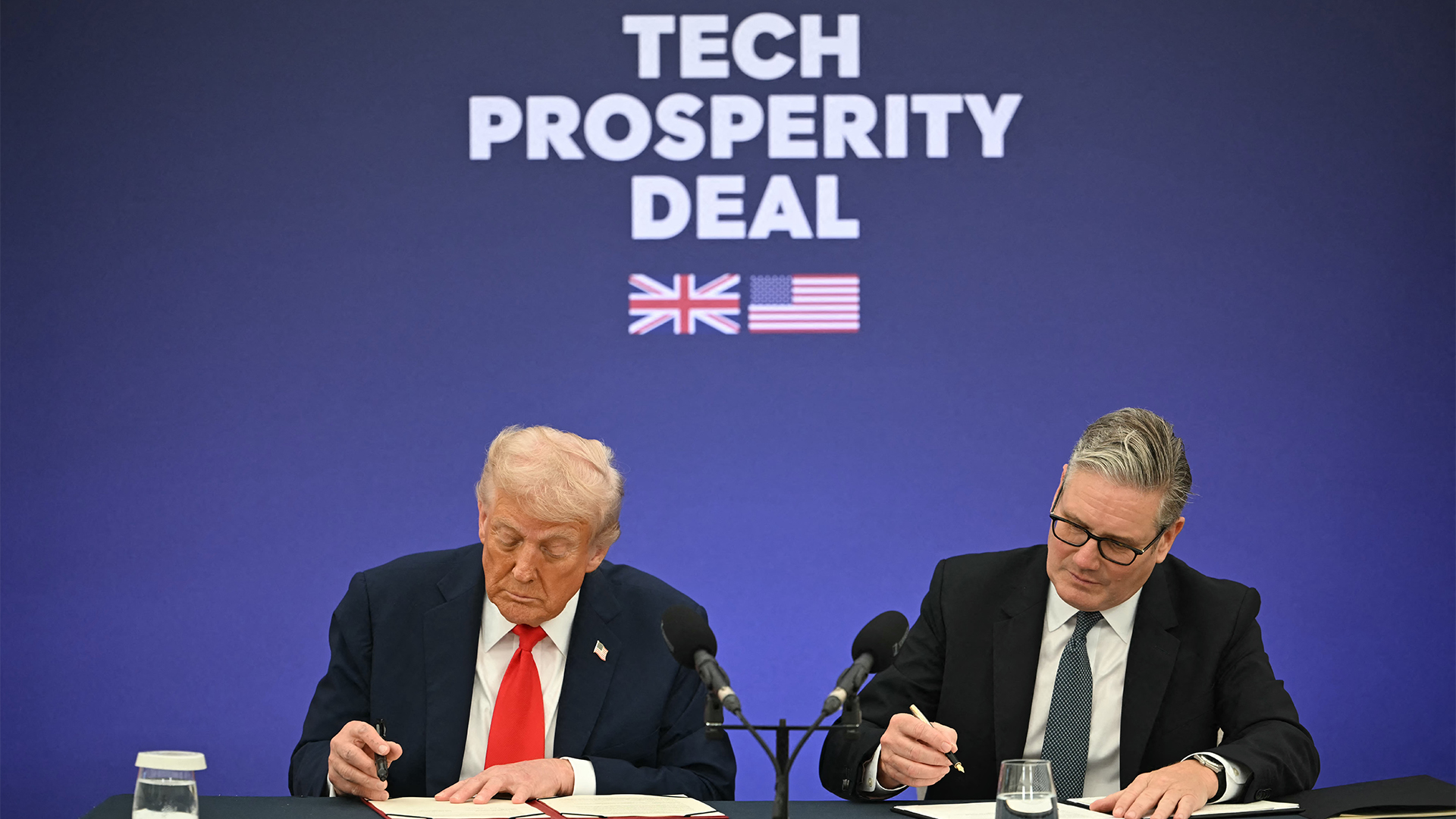 UK’s ‘Tech Prosperity Deal' with US hits rocky ground
News The US has reportedly threatened to pull out of the deal over the Digital Services Tax and broader economic disagreements
-
 ‘The UK must position itself as the destination of choice’ in wake of H-1B visa crackdown, tech policy group says
News The UK has a massive opportunity to capitalize on the US government’s H-1B visa changes
-
 The US government's Intel deal explained
News The US government has taken a 10% stake in Intel – but what exactly does the deal mean for the ailing chipmaker?
-
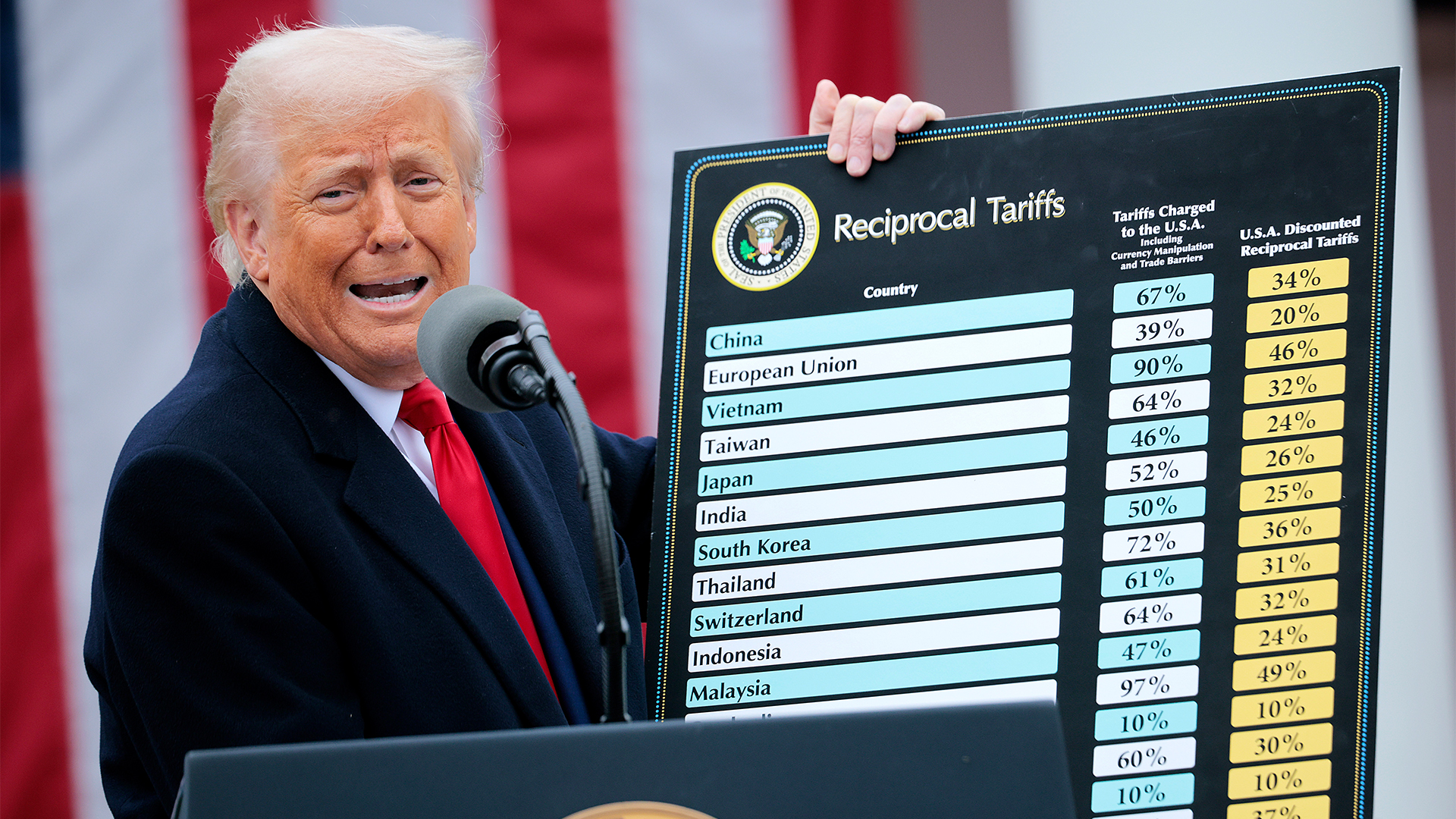 IDC warns US tariffs will impact tech sector spending
News IDC has warned that the US government's sweeping tariffs could cut global IT spending in half over the next six months.
-
 US government urged to overhaul outdated technology
News A review from the US Government Accountability Office (GAO) has found legacy technology and outdated IT systems are negatively impacting efficiency.
-
 Healthcare data breaches are out of control – here's how the US plans to beef up security standards
News Changes to HIPAA security rules will require organizations to implement MFA, network segmentation, and more
-
 The US could be set to ban TP-Link routers
News US authorities could be lining up the largest equipment proscription since the 2019 ban on Huawei networking infrastructure


