
The federal government is rescinding a list of prohibited transactions with Chinese-owned apps TikTok and WeChat that date back to the Trump administration’s attempt to block Americans from downloading the apps.
The move comes after president Joe Biden revoked the previous administration’s executive order banning the apps from the US.
Under Trump, the Commerce Department sought to ban transactions, including downloading, updating, or providing hosting services for the apps. Those bans stalled in court as they would have drastically reduced the apps’ usability and functionality in the US if they had gone ahead as planned.
The Commerce Department reversed its position on Monday, according to Reuters.
Although Biden revoked Trump’s order banning TikTok and WeChat, the Chinese-owned apps aren't out of the woods yet. President Biden replaced the Trump executive order with a new one instructing the commerce secretary to look into apps with alleged ties to the Chinese government and determine if they pose a risk to Americans' data or national security.
Biden also ordered the Commerce Department and other federal agencies to develop ways to prevent the collection, sale, and transfer of sensitive US consumer data to foreign adversaries. The Commerce Department will then recommend new executive orders or legislation to prevent foreign adversaries from getting ahold of US consumers’ data.

Is a good work/life balance still just a pipe dream?
Sample our exclusive Business Briefing content
A separate US national security review of TikTok remains active, as the Committee on Foreign Investment in the United States (CFIUS) is still investigating the app.
The CFIUS has demanded that TikTok’s owner, Bytedance, divest from the app’s US operations. It has set multiple deadlines for this divestment, which led to Oracle agreeing to purchase TikTok’s US operation, but the sale never went through.
Trump’s attempt to ban TikTok and WeChat was in response to concerns the apps were collecting data on US users and Chinese visitors to the US. The apps repeatedly insisted they did not share user information with the Chinese government.
-
 Need high-performance business laptops for heavy workloads? The Dell Pro 5 is a serious contender
Sponsored With powerful new AI PCs hitting the market, enterprises face a crucial decision when opting for new workforce devices
-
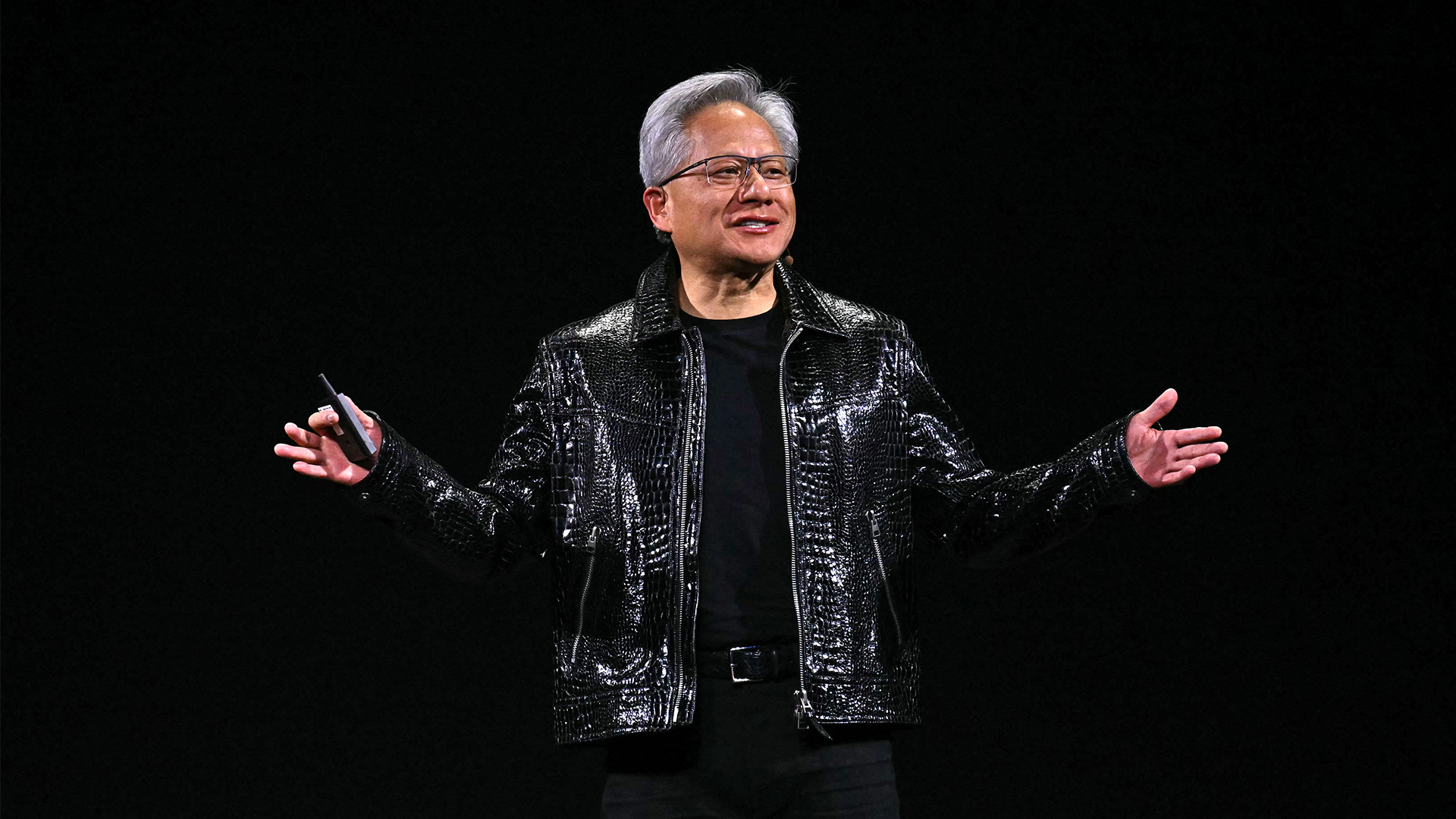 Jensen Huang returns to Nvidia as CEO
News The co-founder and CEO is back in the hotseat


-
 Why the US imposed export controls on Anthropic’s Fable and Mythos models – and why they’ve been lifted
News Anthropic tightens up safeguards and offers expanded early access to US government to end export control issues
-
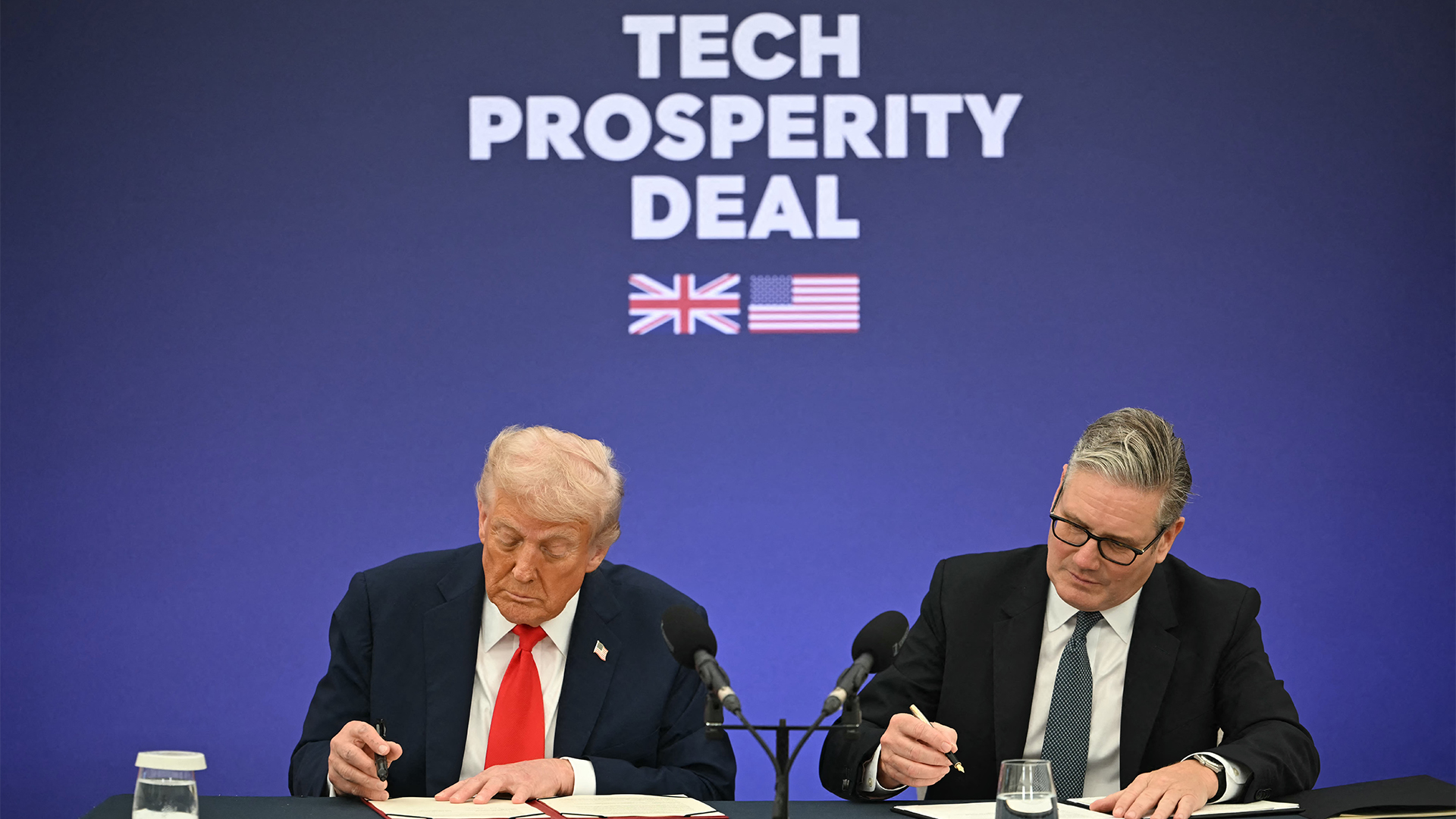 UK’s ‘Tech Prosperity Deal' with US hits rocky ground
News The US has reportedly threatened to pull out of the deal over the Digital Services Tax and broader economic disagreements
-
 ‘The UK must position itself as the destination of choice’ in wake of H-1B visa crackdown, tech policy group says
News The UK has a massive opportunity to capitalize on the US government’s H-1B visa changes
-
 The US government's Intel deal explained
News The US government has taken a 10% stake in Intel – but what exactly does the deal mean for the ailing chipmaker?
-
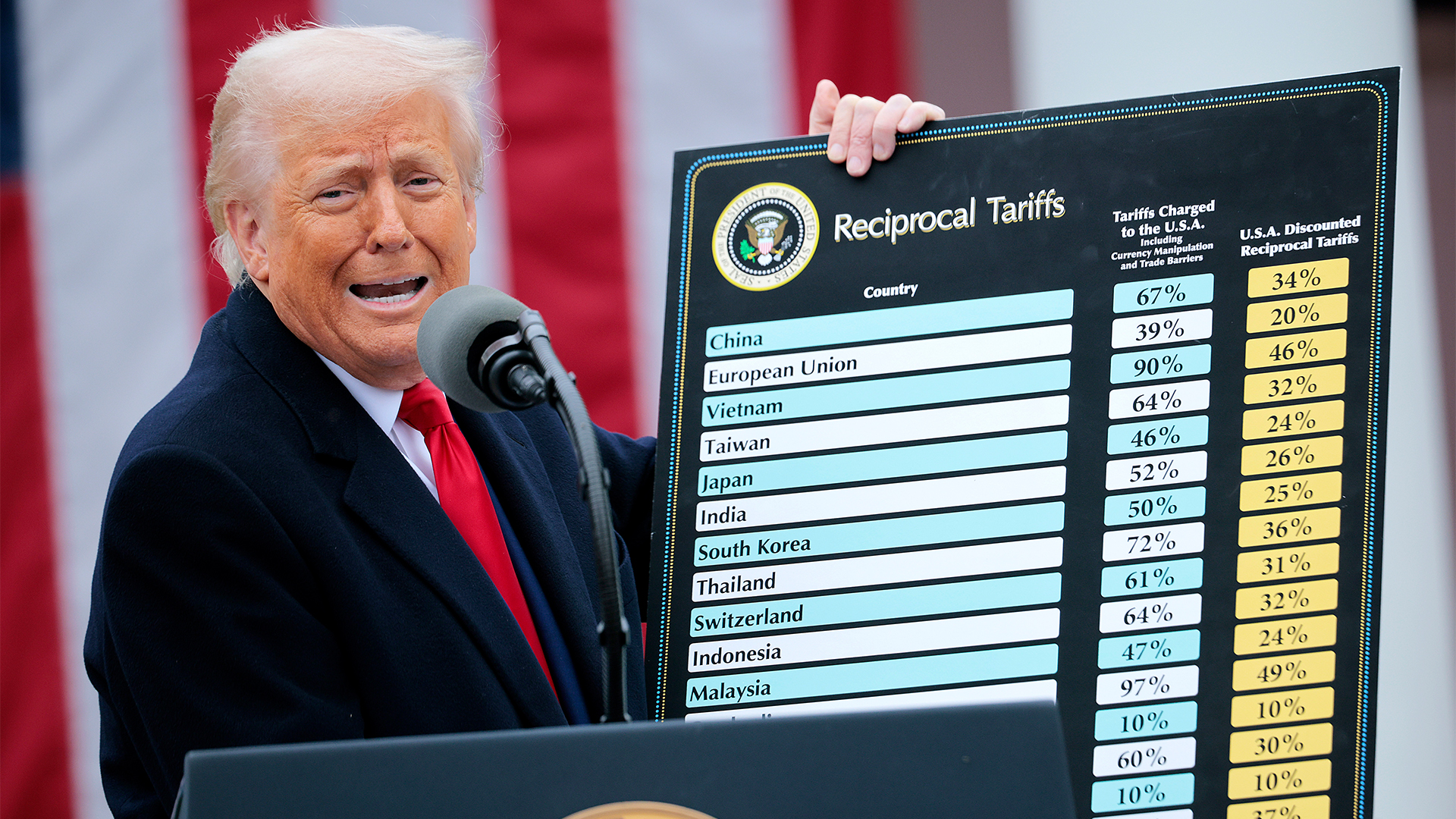 IDC warns US tariffs will impact tech sector spending
News IDC has warned that the US government's sweeping tariffs could cut global IT spending in half over the next six months.
-
 US government urged to overhaul outdated technology
News A review from the US Government Accountability Office (GAO) has found legacy technology and outdated IT systems are negatively impacting efficiency.
-
 Healthcare data breaches are out of control – here's how the US plans to beef up security standards
News Changes to HIPAA security rules will require organizations to implement MFA, network segmentation, and more
-
 The US could be set to ban TP-Link routers
News US authorities could be lining up the largest equipment proscription since the 2019 ban on Huawei networking infrastructure


