Critical macOS vulnerability found to bypass SIP restrictions
The flaw lies in how the OS handles software packages and post-installation scripts


Security researchers at Microsoft have discovered a flaw in Apple’s macOS that can hackers could use to bypass the System Integrity Protection (SIP) feature and execute arbitrary code.
Dubbed Shrootless, the flaw has been identified as CVE-2021-30892 and was included in the security updates released by Apple on 26 October.
The flaw lies in how Apple signs the software package and how the post-installation scripts are installed in it. The researchers found that attackers can use this mechanism for malicious purposes by creating a custom package that can intercept the installation process. After SIP bypass, an attacker can install rootkits and undetectable malware, and even overwrite system files.
A design flaw means that in some cases software packages require access to directories protected by SIP, as is the case with system updates. Files with the extended attribute 'com.apple.rootless' are similarly SIP-protected. Of course, there’s no way to add that extended attribute to a file legitimately, otherwise malware could use SIP for its own protection.
While analyzing macOS processes to bypass SIP, researchers came across the 'system_installd' daemon with powerful 'com.apple.rootless.install.inheritable' rights. With these rights, any 'system_installd' child process can avoid all SIP-set file system restrictions.

The top three IT pains of the new reality and how to solve them
Driving more resiliency with unified operations and service management
The researchers decided to examine all the child processes of 'system_installd' and were surprised to find several cases that allow hackers to abuse this functionality to bypass SIP.
For example, if an Apple-signed package (.pkg file) is installed, the package will start the 'system_installd' process, which is responsible for installing it. If the package contains any post-installation scripts, 'system_installd' starts them by initiating the default shell (on macOS, this is zsh).
It's important to note that after starting zsh, it then looks for the '/etc/zshenv' file and, if found, automatically runs commands from it, even in a non-interactive mode. Therefore, to perform arbitrary operations on the device, attackers can create a malicious '/etc/zshenv' file and then wait for 'system_installd' to invoke zsh.
Researchers said that the research underscores the importance of collaboration among security researchers, software vendors, and the larger security community.
“As cross-platform threats continue to increase, vulnerability discoveries, coordinated response, and other forms of threat intelligence sharing help enrich our protection technologies that secure users’ computing experience regardless of the platform or device they’re using,” said Jonathan Bar Or, senior security researcher at Microsoft’s 365 Defender Research Team.

-
 CrowdStrike confirms Zscaler acquisition with $43.9 billion mega deal
News The acquisition will add Zscaler’s zero trust services to the flagship Falcon platform
-
 Vibe-coded software has caused a technical debt explosion
News Appian research says IT leaders are burning budgets on supporting AI-built apps


-
 Why is Windows 11 so disliked by programmers – and can Microsoft do anything to change things?
In-depth Windows isn't the most useful OS in the eyes of developers, with programmers preferring macOS or Linux. But is its bad reputation uncalled for?
-
 AI is coming to Ubuntu: Canonical exec teases future AI features and agentic workflow capabilities for version 26.10 — but on a ‘strictly opt-in basis’
News A range of new AI features are coming to Ubuntu over the next year, according to maintainers, but only providing they’re of “sufficient maturity and quality”.
-
 IBM AIX users urged to patch immediately as researchers sound alarm on critical flaws
News Network administrators should patch the four IBM AIX flaws as soon as possible
-
 Windows 10 extended support costs could top $7 billion
News Enterprises sticking with Windows 10 after the October deadline face huge costs
-
 A journey to cyber resilience
whitepaper DORA: Ushering in a new era of cyber security
-
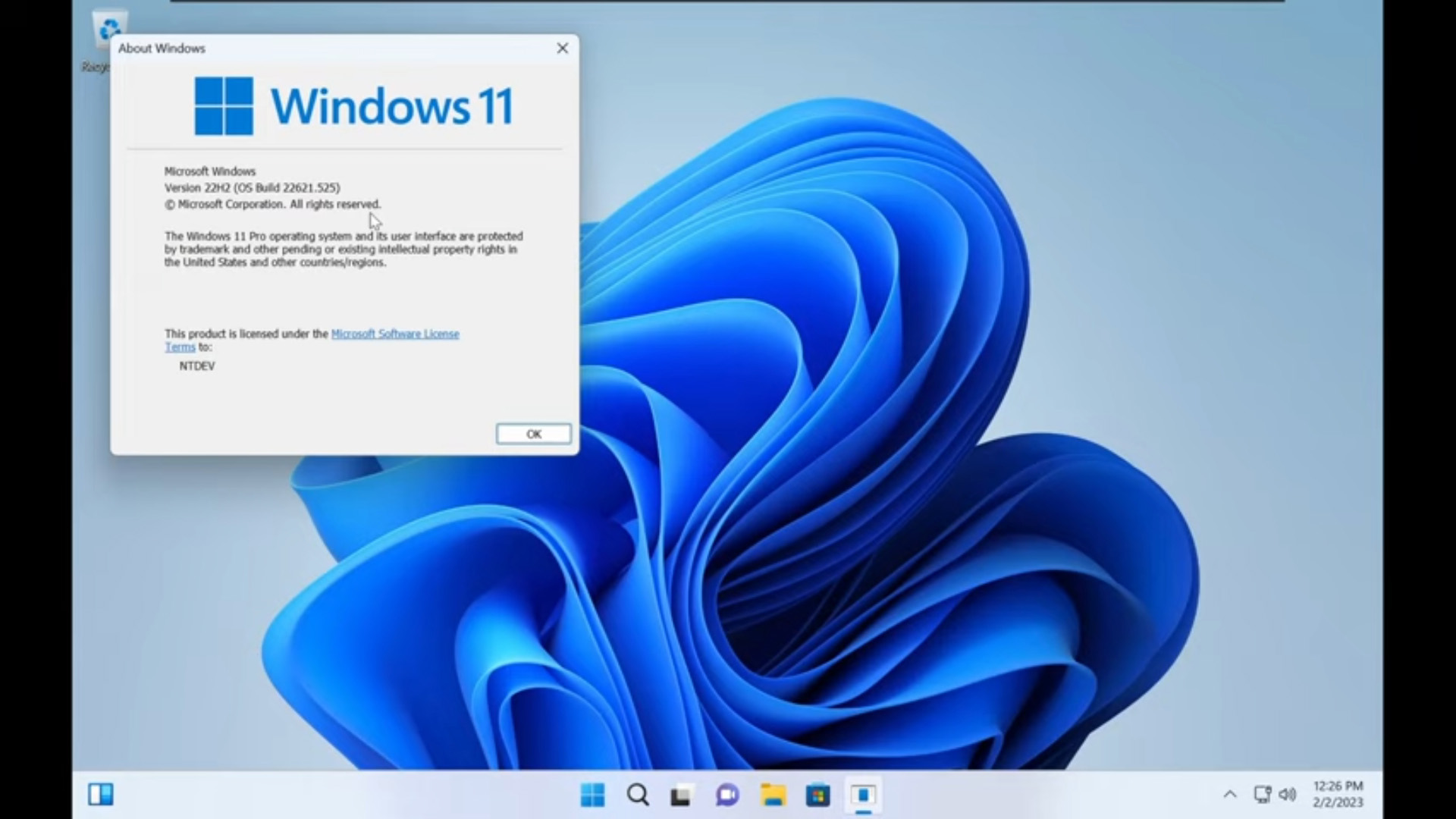 Tiny11 review: Windows 11 with only 2GB of RAM
Review A version of Windows 11 for older machines that don't meet the full requirements
-
 Red Hat Enterprise Linux becomes foundational operating system for Cohesity Data Cloud
News New strategic partnership between Red Hat and Cohesity aims to drive innovation in the data security and management space
-
 Ubuntu shifts to four-week update cycle
News Critical fixes will also come every two weeks, mitigating the issues involved with releasing prompt patches on the old three-week cadence