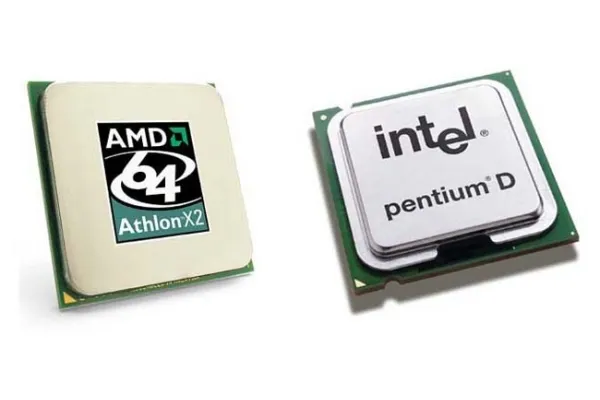
UPDATED: AMD engineer charged with Intel espionage
The FBI has brought charges against an AMD engineer who used to work for Intel.


-
 Nikkei admits millions of records stolen after reporting third breach in a month
News Nikkei has revealed that more than a million records have been stolen, but said most can't be used to identify an individual
-
 Fixes issued for critical PHP vulnerabilities
News The two PHP vulnerabilities carry a CVSS score of 9.2


-
 ‘This is about as close as you can get to a personal supercomputer’: AMD has Nvidia in its crosshairs with the Threadripper Halo AI workstation
News The new device boasts 3.4x the total system memory compared to the Nvidia DGX Station, according to AMD
-
 AMD CEO Lisa Su hails ‘excellent quarter’ as data center revenue surges 107%
News The record-breaking quarter comes as AMD prepares to roll out its Helios rack-scale architecture later this year
-
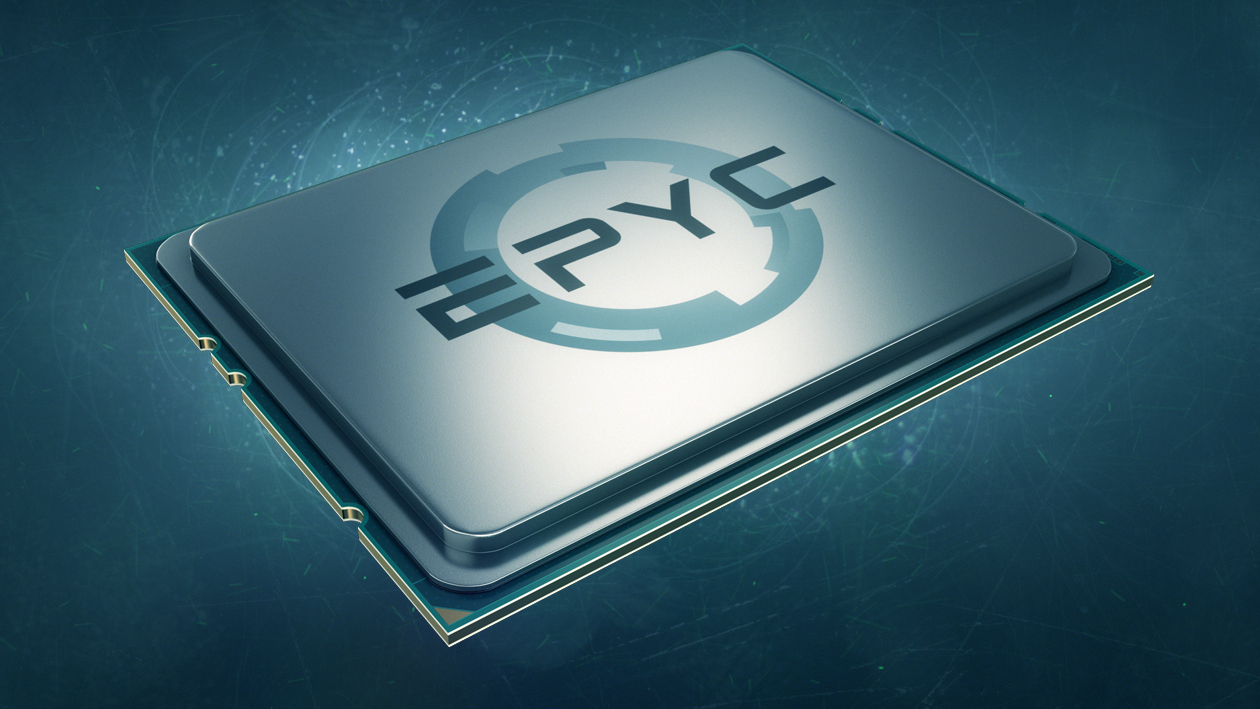 Is AMD EPYC the right CPU for your AI models?
These top tips will help you decide if AMD EPYC CPUs are the right fit for your AI models
-
 AMD and Samsung forge closer ties on AI memory, potential foundry deal
News The pair are forging closer ties on chip development and future foundry opportunities
-
 AMD thinks ‘AI on the PC has crossed an important line’ – the rise of ‘Agent Computers’ will be the next big breakthrough
News The chipmaker believes “Agent Computers” will be the next big breakthrough with on-device AI capabilities
-
 Nvidia’s Intel investment just gave it the perfect inroad to lucrative new markets
News Nvidia looks set to branch out into lucrative new markets following its $5 billion investment in Intel.
-
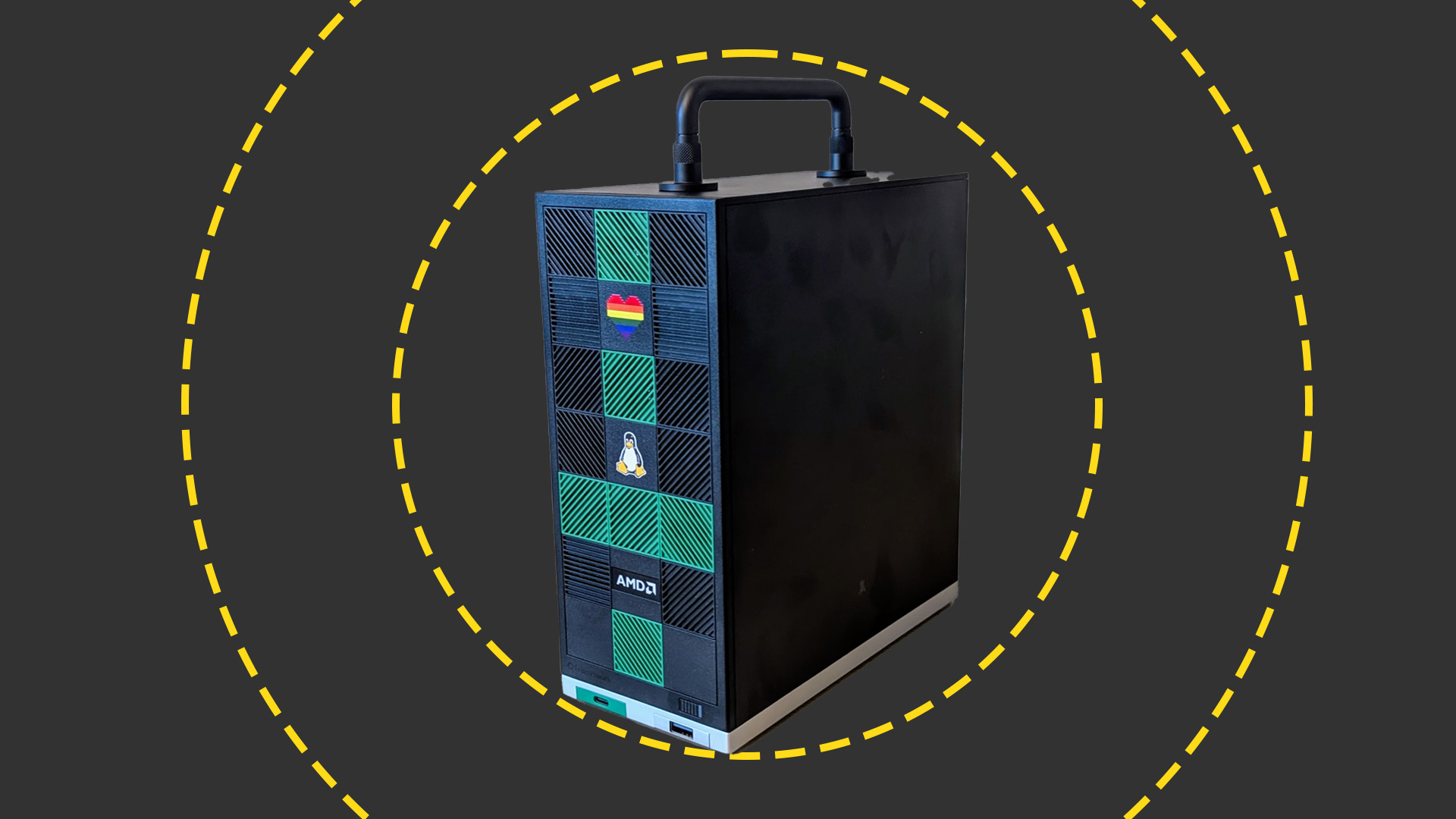 Framework Desktop review: Modular design and ferocious AMD performance
Reviews AMD's Ryzen Max CPUs debut in Framework's impressive modular self-build small-form desktop PC
-
 The US government's Intel deal explained
News The US government has taken a 10% stake in Intel – but what exactly does the deal mean for the ailing chipmaker?


