UK Government starts to recruit Incubator for AI team
Deputy prime minister Oliver Dowden said wider use of AI could transform productivity across the Civil Service


-
 How resellers can turn hybrid meeting pain into repeatable revenue
Industry Insights Reliable technology turns hybrid work frustrations into recurring reseller revenue opportunities
-
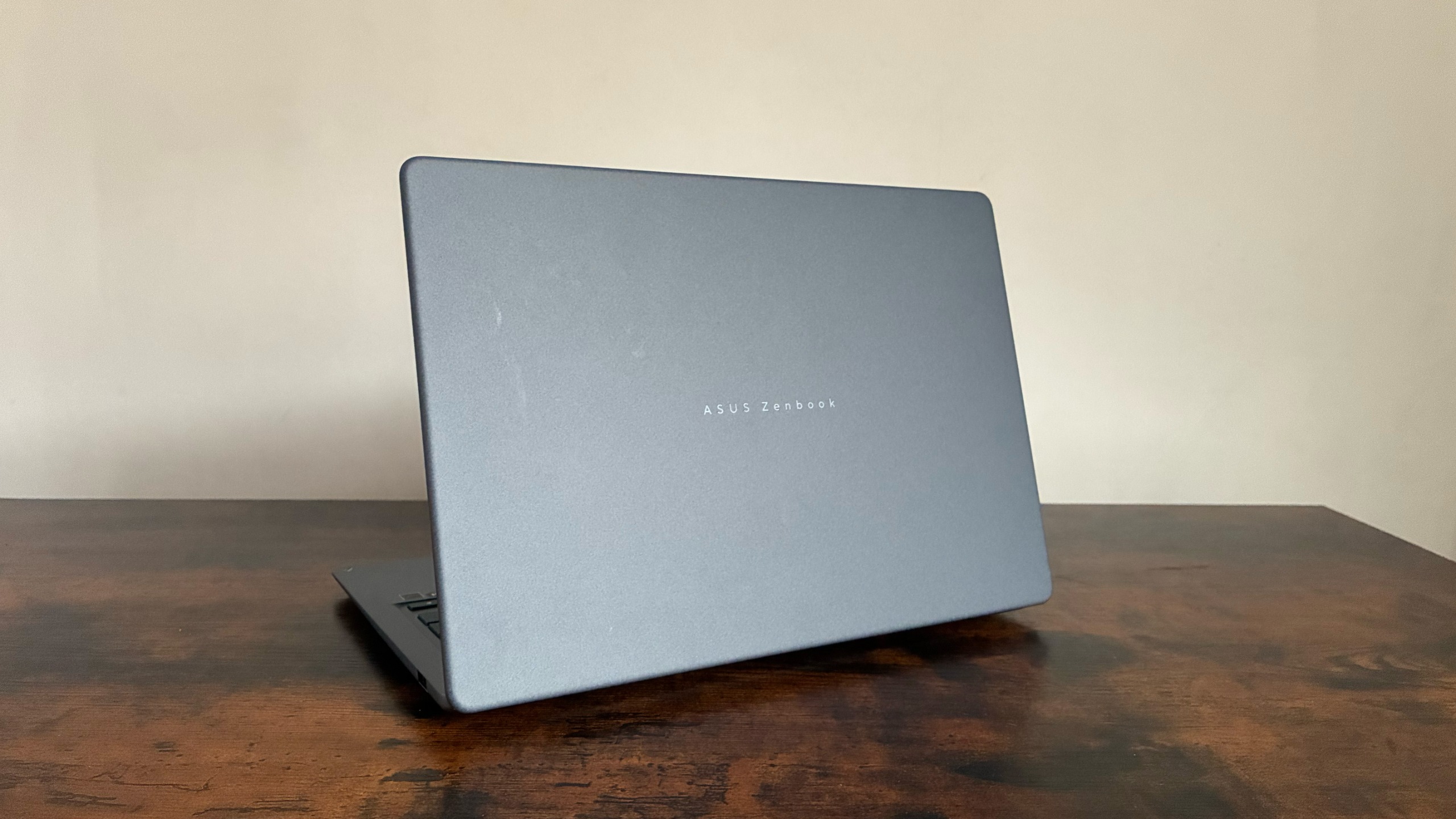 Asus Zenbook 14 (Snapdragon X UX3480Q) review
Reviews Poor battery performance and an older Snapdragon chip, but still a good choice for the office


-
 An AI kill switch ‘only solves half the problem’ with national security – British firms need to reduce reliance on foreign tech
News Efforts to protect national security are welcomed, but bolstering sovereignty is also required
-
 Poor business context is scuppering enterprise AI adoption – here’s why that matters
News Research from Alteryx has found that more than half of organizations can't effectively operationalize the business knowledge AI needs
-
 Manchester University: from AI initiators to AI integrators
The institution where Alan Turing first addressed the topic of artificial intelligence is rolling out Microsoft 365 Copilot access to 65,000 staff
-
 ‘Real-time data remains the voice that every leader must hear’: This one engineering role could be the key to building a truly data-driven enterprise
News AI has increased the expectation for fast, or even instant, decisions. Data streaming engineers could help leaders keep pace
-
 This new technique could improve AI output accuracy by 80% – and tackle hallucinations once and for all
News Researchers believe the new method will improve accuracy and help reduce costs
-
 Reports: UK could consider regulation amidst growing 'rogue AI' concerns
News New AI minister said regulation is on the table, but only if public safety is at risk from AI
-
 UK firms are automating roles, but nowhere near ready to outright replace them
News ONS figures show that organizations are automating tasks, rather than entire jobs
-
 Two-thirds of workers are so fed up with ‘AI slop’ that they ‘feel nostalgic for pre-AI work’
News A survey has revealed that dealing with low-quality 'AI slop' is making jobs feel less meaningful and more repetitive


